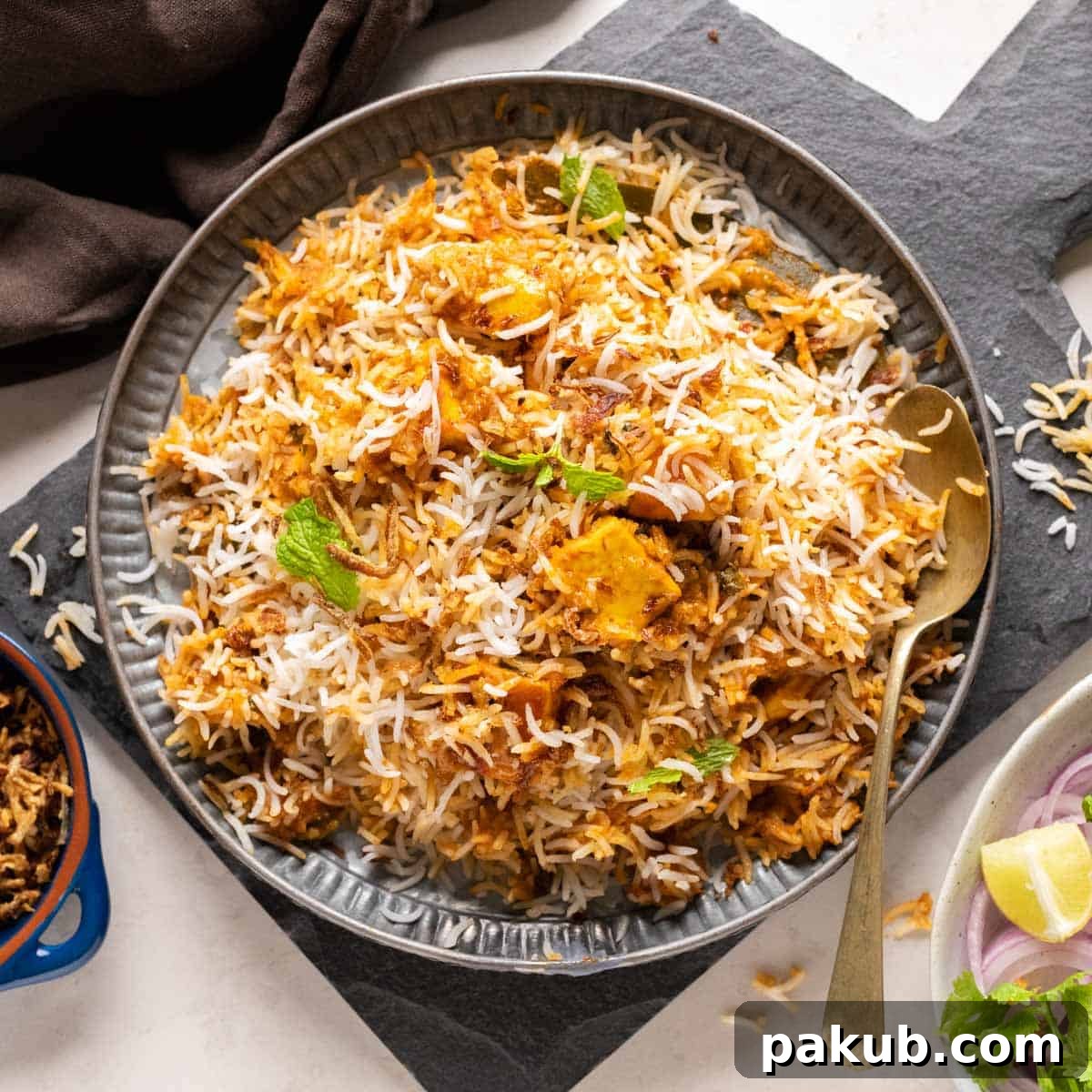
Indulge in the rich flavors of this extraordinary Paneer Biryani, elevated with a luscious Makhani gravy. This unique vegetarian biryani masterfully blends the creamy decadence of Paneer Makhani with fragrant basmati rice, fresh mint, vibrant coriander, and crispy fried onions. Every forkful promises a burst of exquisite taste, making it an unforgettable culinary experience.
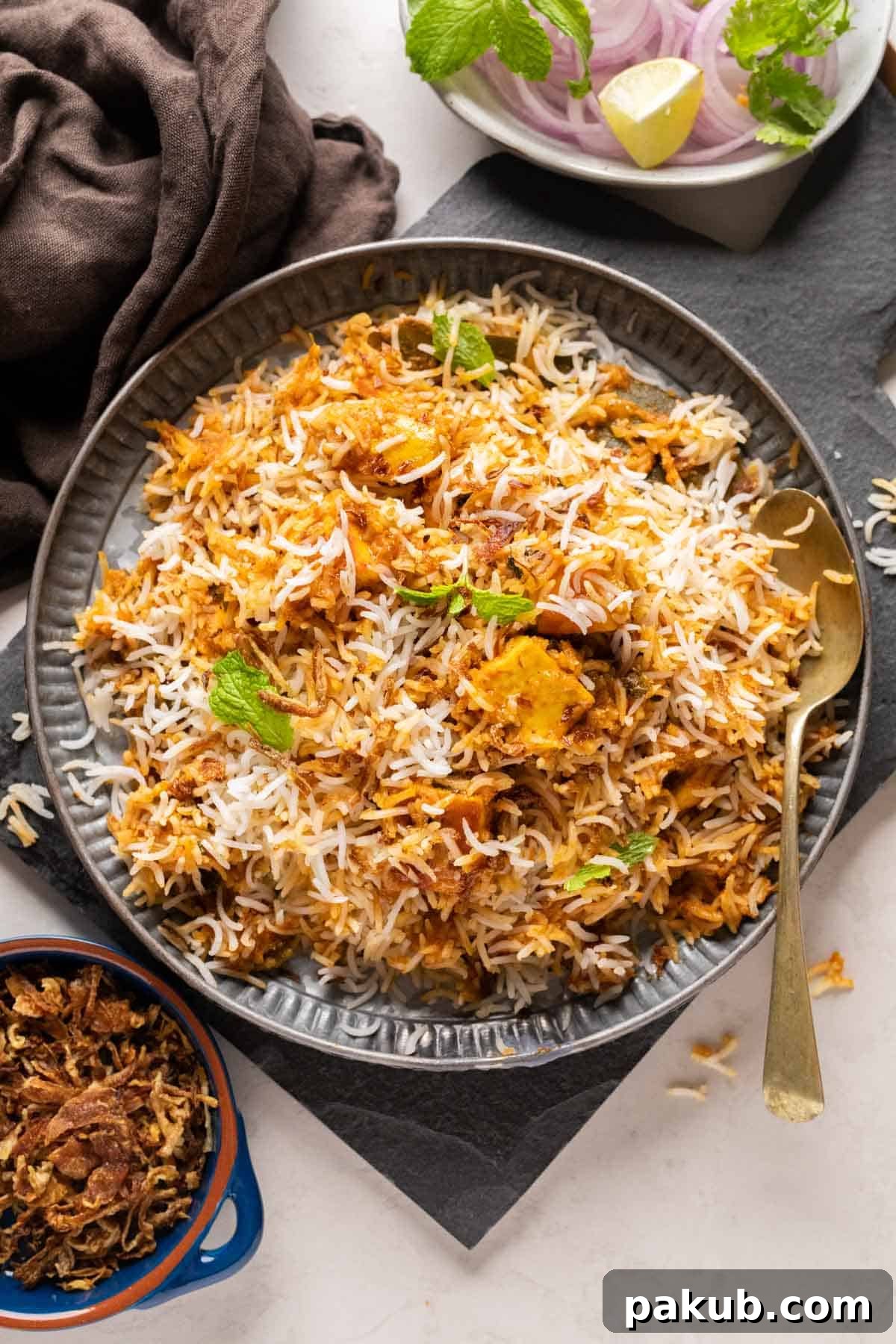
As a devoted admirer of biryani, I’ve savored countless variations, but this Paneer Makhani Biryani has truly captured my heart and taste buds. It’s a delightful fusion born from my profound love for both traditional biryani and the creamy, rich notes of Paneer Butter Masala. The very first time I prepared this recipe, the silence at the dinner table, punctuated only by contented sighs, was the ultimate testament to its success. It quickly became a reigning champion in our household, and I’m thrilled to share this winner with you!
Table of Contents: Your Guide to Perfect Paneer Makhani Biryani
- What is Paneer Biryani? A Vegetarian Culinary Masterpiece
- Essential Ingredients for Your Makhani Biryani
- Step-by-Step Guide to Crafting Paneer Makhani Biryani
- Expert Tips for a Flawless Paneer Biryani
- Explore More Biryani Recipes
What is Paneer Biryani? A Vegetarian Culinary Masterpiece
Paneer Biryani stands as a vibrant and aromatic vegetarian alternative to the classic meat-based biryani. It’s a spectacular layered dish where tender paneer (Indian cottage cheese), bathed in a rich, flavorful gravy, is meticulously layered with fragrant basmati rice, fresh herbs, and crispy fried onions. This culinary symphony is then slow-cooked, allowing all the distinct flavors to meld beautifully and permeate every single grain of rice and cube of paneer. The result is a deeply satisfying and intensely aromatic meal that delights both vegetarians and non-vegetarians alike.
This particular recipe for Paneer Makhani Biryani takes things a step further, transforming an already delicious dish into an unforgettable feast. Here’s what makes this recipe truly special and why it deserves a spot in your culinary repertoire:
- Award-Winning Makhani Gravy: The heart of this biryani is its makhani gravy, directly inspired by my highly acclaimed Paneer Butter Masala recipe. This base has garnered over 80 five-star ratings, ensuring a creamy, rich, and perfectly balanced foundation for your biryani. It’s a flavor profile guaranteed to impress!
- Perfect for Celebrations: With its gorgeous layers and intoxicating aroma, this biryani is a showstopper. It’s a festive, celebratory dish that looks absolutely stunning on any dining table, making it ideal for special occasions, family gatherings, or whenever you want to treat yourself to something extraordinary.
- A Complete and Wholesome Meal: This biryani is so complete and satisfying that it truly stands on its own. You won’t need an array of side dishes; a simple raita (yogurt dip) is all that’s required to complement its rich flavors, making meal planning effortless.
- Surprisingly Quick to Prepare: Unlike many traditional biryani recipes, especially non-vegetarian ones that demand extensive marinating and resting times, this Paneer Makhani Biryani can be assembled and cooked in less than an hour. Its efficiency makes it a fantastic option for a luxurious meal even on busy days, without compromising on taste or complexity.
Planning to Master Biryani? Don’t miss these 19 Essential Tips to Make the Best Biryani Ever! These insights will elevate your biryani-making skills, ensuring a perfect dish every time.
Essential Ingredients for Your Makhani Biryani
Crafting an exceptional Paneer Makhani Biryani begins with selecting the right ingredients. Here’s a detailed look at what you’ll need to create this flavor-packed dish:
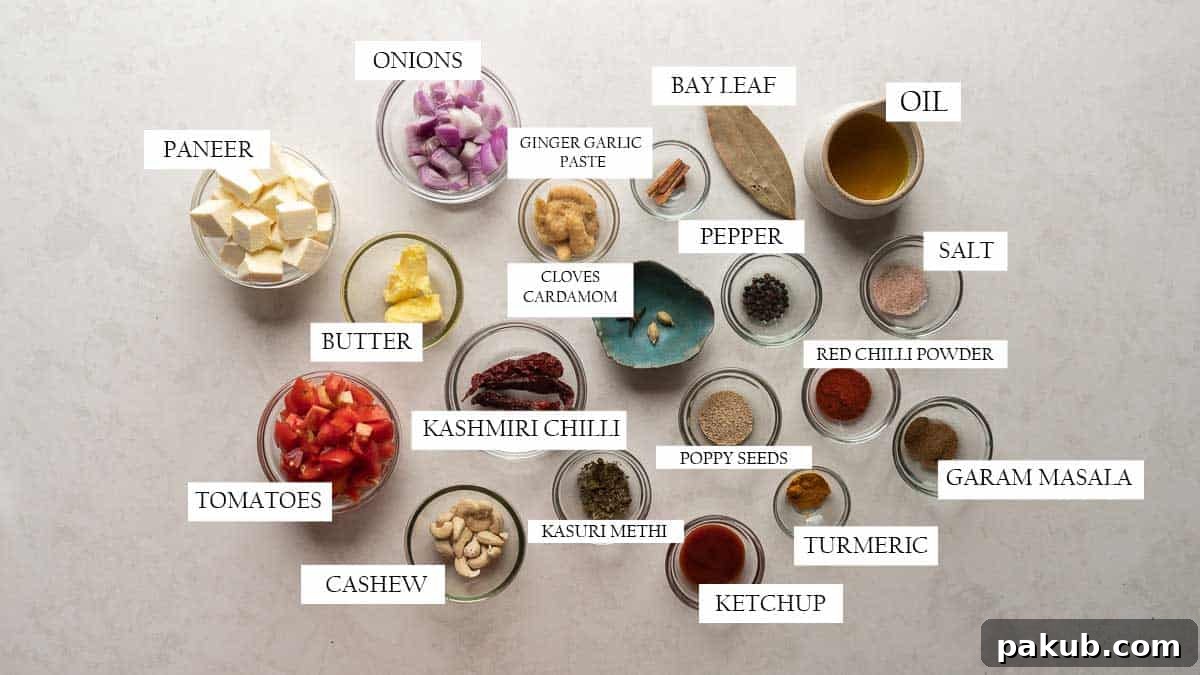
For the Paneer Makhani Gravy:
The makhani gravy is the soul of this biryani, adapted from my tried-and-tested Paneer Butter Masala and Butter Chicken recipes. While the core flavors remain, the cooking method is subtly adjusted to account for the subsequent layering and dum cooking with rice.
- Kashmiri Red Chillies: These are crucial not just for a mild, palatable heat but primarily for imparting that characteristic vibrant orange-red color to the gravy without overwhelming the dish with spiciness. Their gentle flavor and stunning hue are unmatched.
- Cashews and Poppy Seeds (Khus Khus): These two ingredients are natural thickeners and richness enhancers. Cashews contribute a creamy texture and subtle sweetness, while poppy seeds add a nuanced depth and velvety consistency, making the gravy incredibly smooth and luxurious.
- Malai Paneer: Opt for the highest quality malai paneer you can find. “Malai” signifies a richer, creamier variety of paneer. Alternatively, for the freshest taste and perfect texture, consider making your own homemade paneer following my simple 15-minute recipe.
- Whole Spices (Bay Leaf, Cinnamon, Cardamom, Cloves, Peppercorns): The potency of whole spices is vital. Ensure they are fresh – ideally less than a year old and stored in airtight containers to retain their essential oils and aromatic efficacy. Old, stale spices will diminish the overall flavor profile significantly.
- Kasuri Methi (Dried Fenugreek Leaves): Though slightly bitter on its own, when added to Indian gravies, kasuri methi transforms, lending a distinctive, earthy aroma and a beautiful balance of flavors that is quintessential to makhani-style dishes. Be sure to roast and crush them lightly before adding to release their full fragrance.
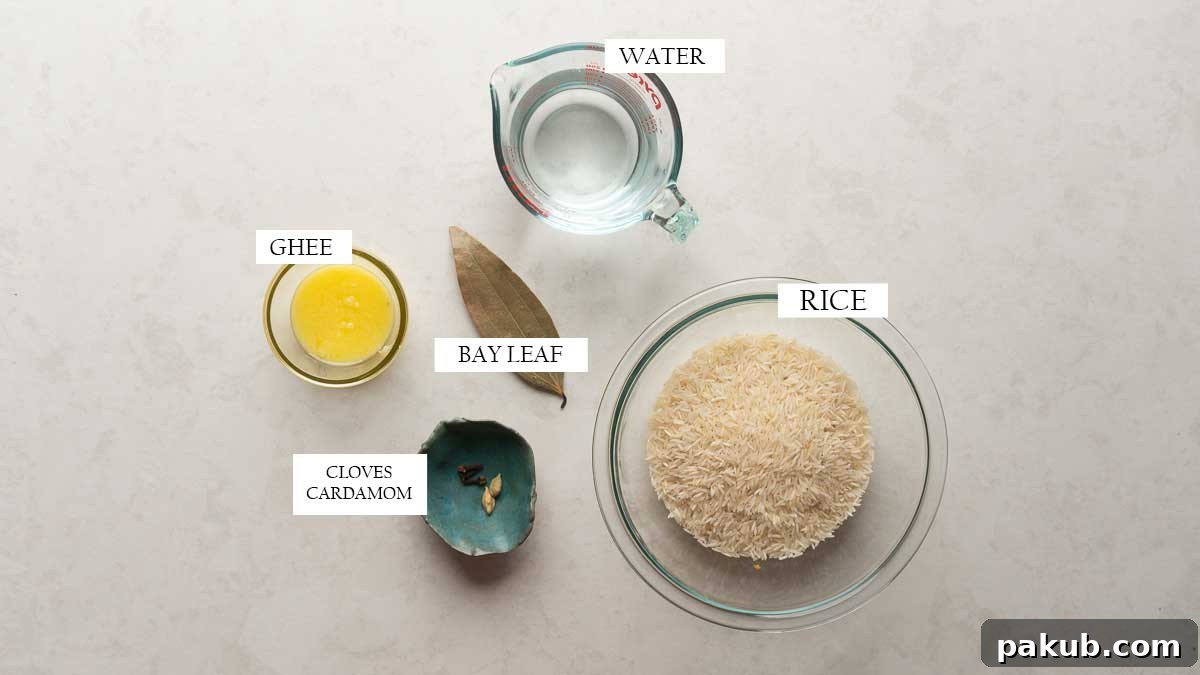
For the Basmati Rice:
The rice is more than just a filler; it’s a crucial component that carries the biryani’s delicate aromas.
- Aged Basmati Rice: For authentic North Indian biryanis, aged basmati rice is non-negotiable. Its long, slender grains, unique nutty aroma, and distinct flavor profile are superior to regular long-grain rice. Aged basmati cooks up fluffy and separate, absorbing flavors beautifully without becoming mushy. Brands like Dawat or India Gate are highly recommended for their consistent quality.
- Whole Spices for Infusion: A selection of whole spices (like bay leaf, green cardamom, cloves) is added to the water while par-cooking the rice. This step is essential for infusing the rice with a subtle, yet complex, aromatic foundation that perfectly complements the makhani gravy.
- Ghee (Clarified Butter): Adding ghee to the rice during par-cooking helps coat each grain, preventing stickiness and ensuring a wonderfully rich texture. It also adds a delicate buttery aroma that enhances the overall fragrance of the biryani.
For Layering and Garnishing:
These elements add contrasting textures and bursts of freshness, completing the biryani experience.
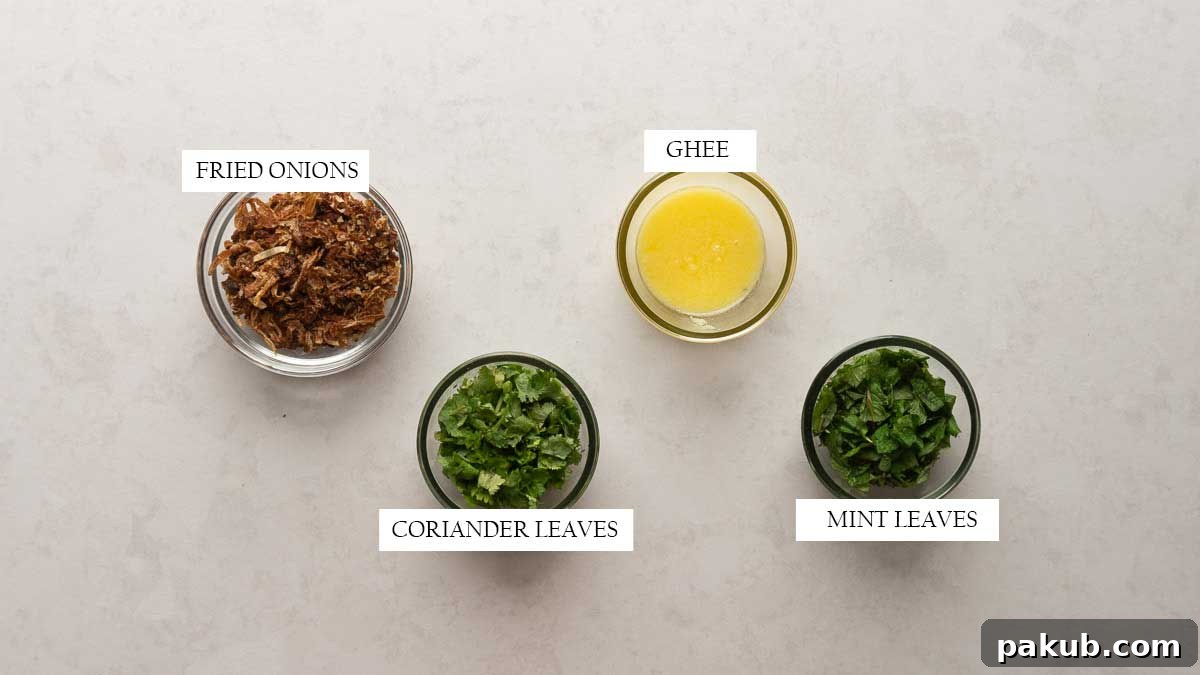
- Fried Onions (Birista): Crispy fried onions are a hallmark of any great biryani, providing a sweet crunch and deep caramelized flavor. Making birista from scratch can be time-consuming, so store-bought fried onions are a convenient and excellent alternative. They are widely available and can be stored in the freezer for months, ready for use.
- Fresh Coriander Leaves: Chopped fresh coriander adds a bright, herbaceous note and a vibrant green color, cutting through the richness of the makhani gravy.
- Fresh Mint Leaves: Mint brings a refreshing coolness and a distinct, aromatic complexity that is indispensable in biryani, balancing the warmth of the spices.
Step-by-Step Guide to Crafting Paneer Makhani Biryani
Follow these detailed steps to create a truly sensational Paneer Makhani Biryani that will impress everyone at your table.
Part 1: Preparing the Exquisite Makhani Gravy
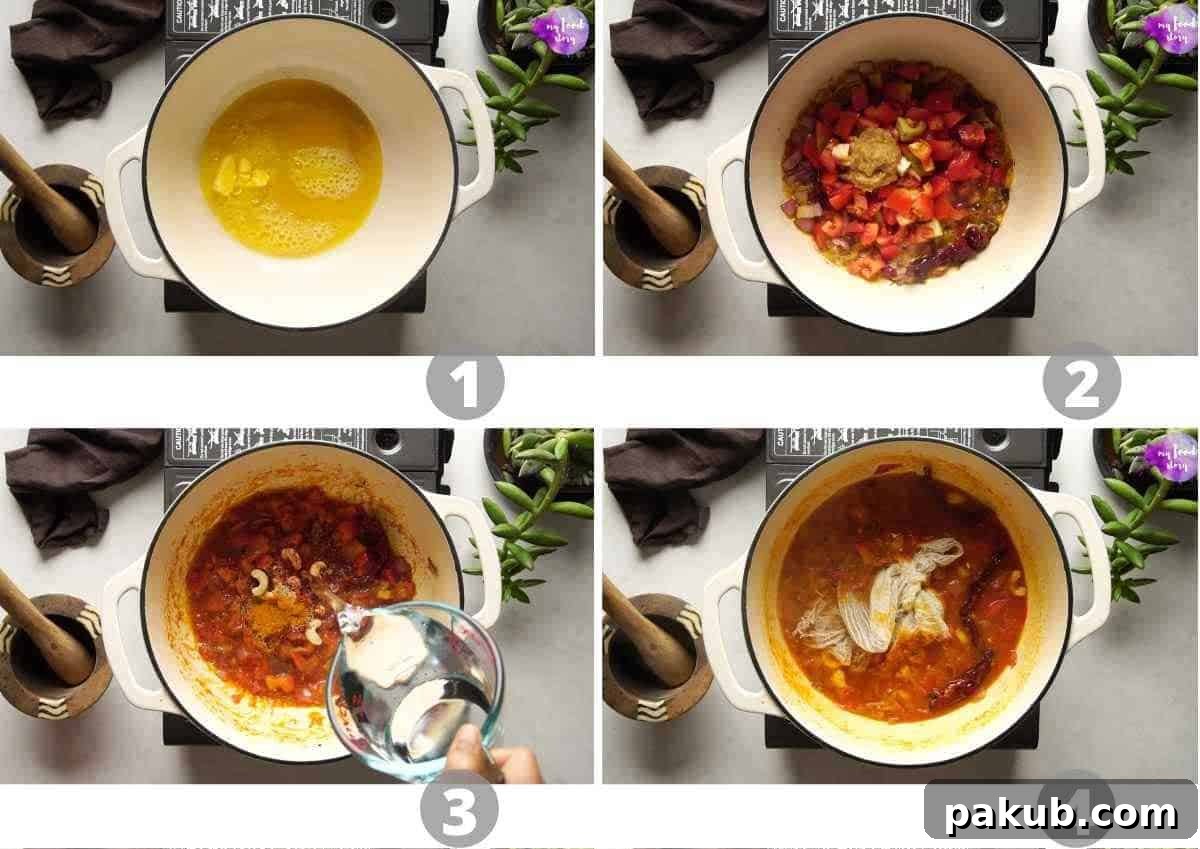
- Prepare the Spice Pouch: To ensure easy removal and consistent flavor, gather your whole spices (bay leaf, cinnamon stick, cloves, green cardamoms, and peppercorns). Tie them securely in a small piece of cheesecloth or muslin cloth to create a ‘bouquet garni’. This will infuse the gravy with their aromas without having whole spices floating around.
- Sauté Aromatics: In a large, heavy-bottomed pot or Dutch oven (preferably the same one you’ll use for the final biryani layering), heat 1 tablespoon of neutral-flavored oil and 1 tablespoon of butter over medium heat. Add the roughly chopped onions, Kashmiri red chillies, and ginger-garlic paste. Sauté these aromatics until the onions turn translucent and slightly softened, about 5-7 minutes.
- Build the Flavor Base: Introduce the roughly chopped tomatoes to the pot and continue to sauté until they break down and become soft and pulpy. This might take another 8-10 minutes.
- Add Creaminess and Spices: Stir in the cashews, poppy seeds, and powdered spices like red chili powder, turmeric powder, and half of the salt. Cook this mixture for another 1-2 minutes, stirring constantly to prevent sticking.
- Simmer with Water and Bouquet Garni: Pour in about 1 cup of water and bring the mixture to a gentle boil. Carefully place the prepared bouquet garni (spice pouch) into the simmering gravy. Reduce the heat, cover the pot, and let it simmer for about 15 minutes. This allows the spices to fully release their flavors and the mixture to soften further.
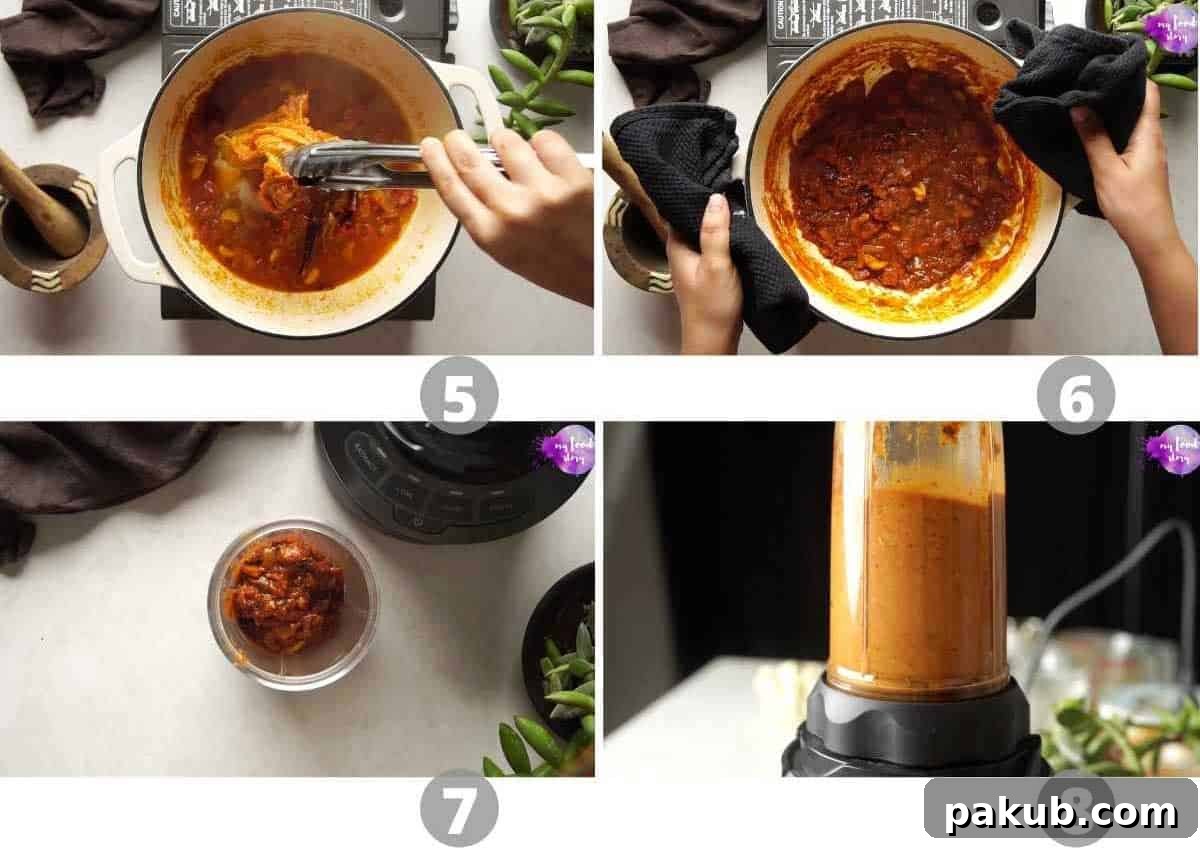
- Finish the Gravy Base: After 15 minutes of simmering, carefully remove and discard the bouquet garni. Stir in the kasuri methi (dried fenugreek leaves), garam masala, and ketchup. Give it a final good mix to combine everything thoroughly. Turn off the heat and allow the gravy mixture to cool down completely before proceeding.
- Blend to Perfection: Once cooled, transfer the entire gravy mixture to a high-speed blender. Add a little more water (if necessary) to help it blend. Process until you achieve an incredibly smooth, silky, and uniform consistency. Strain the gravy through a fine-mesh sieve if you prefer an even smoother texture, discarding any solids. Set this rich makhani gravy aside.
Part 2: Par-Cooking the Fragrant Basmati Rice
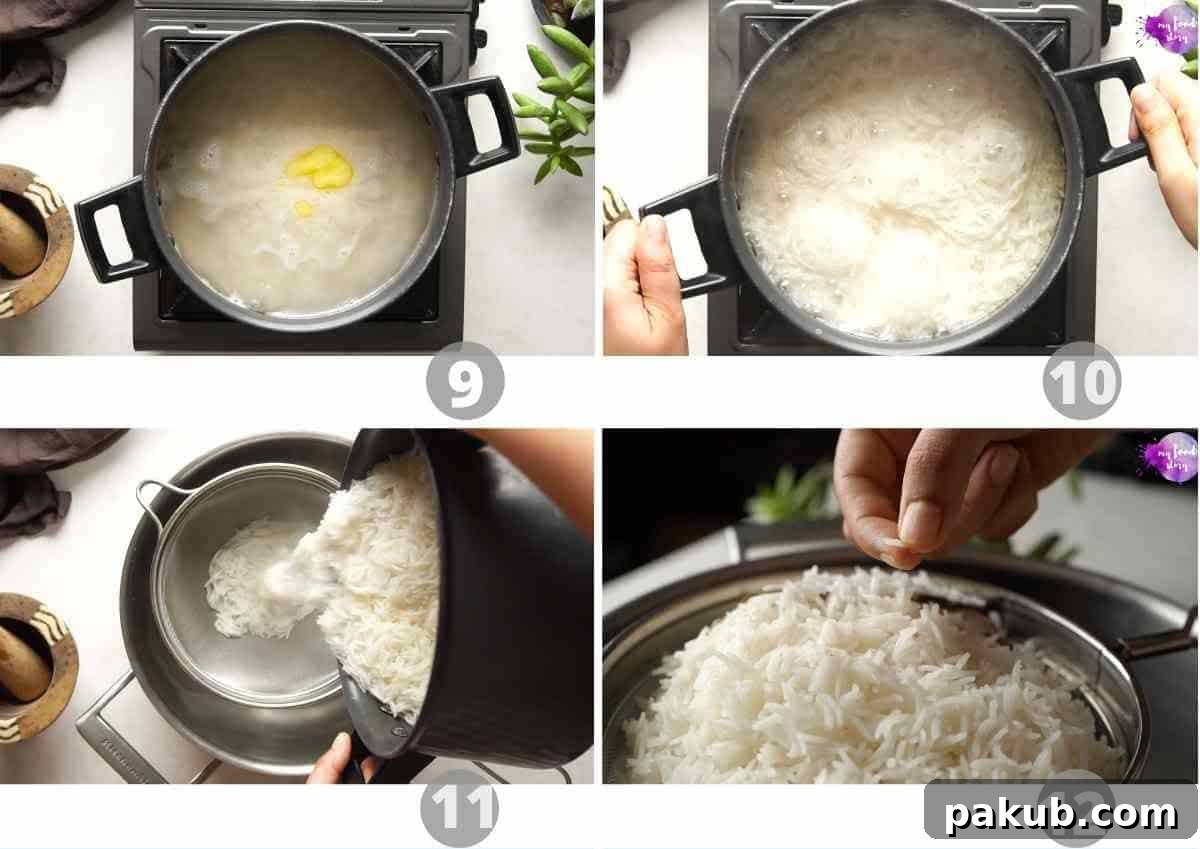
- Prepare the Rice: Rinse 2 cups of aged basmati rice thoroughly under cold running water until the water runs clear. Soak the rice in fresh water for at least 30 minutes, then drain completely, discarding the soaking liquid. Soaking is crucial for long, separate grains.
- Boil Water with Spices: In a large stockpot, bring 6 cups of water to a rolling boil. Add 1 bay leaf, 2 tablespoons of salt, and 1 tablespoon of ghee to the boiling water. The salt is essential for seasoning the rice adequately, and ghee prevents sticking.
- Par-Cook the Rice: Add the drained basmati rice to the vigorously boiling water. Cook for precisely 7 minutes, or until the rice is about 85% cooked. The grains should be elongated and mostly tender but still have a slight bite (al dente) in the center. This is called ‘par-cooked’ and ensures it doesn’t become mushy during the dum cooking.
- Drain and Reserve: Immediately drain the par-cooked rice through a large colander, ensuring all excess water is removed. Spread the rice gently on a wide plate or tray to stop the cooking process and prevent it from clumping. Keep it aside.
Part 3: Layering and Dum Cooking the Biryani

- Prepare the Base Layer: Return the smooth makhani gravy to the same heavy-bottomed Dutch oven or pot. Add about ½ cup of water to thin it slightly if it’s too thick, and bring it to a gentle simmer over low-medium heat.
- Add Paneer: Gently add the paneer cubes to the simmering gravy. Stir very carefully to coat the paneer without breaking it. Let it simmer with the gravy for just 1 minute to absorb some flavor.
- First Layer of Herbs and Onions: Sprinkle a generous layer of chopped mint leaves, coriander leaves, and a portion of the fried onions over the paneer and gravy mixture.
- Add Rice Layer: Carefully and evenly spread all the par-cooked basmati rice over the herb and gravy layers. Do not press the rice down; keep it light and fluffy.

- Drizzle with Ghee: Drizzle the remaining 3 tablespoons of ghee evenly over the top layer of rice. This adds moisture, flavor, and helps achieve that characteristic golden crust at the bottom during dum cooking.
- The “Dum” (Smoking) Technique: For an authentic smoky aroma, place a small, heat-proof steel bowl or a piece of foil in the center of the rice. Heat a small piece of charcoal until it’s glowing red. Carefully place the hot coal into the bowl/foil in the biryani pot. Drizzle a teaspoon of oil or ghee over the hot coal. As soon as smoke begins to rise, immediately cover the Dutch oven tightly with its lid. You can seal the edges with a dough made from flour and water if your lid isn’t airtight.
- Slow Cook (Dum Pukht): Place the tightly sealed pot on the lowest flame setting. If you’re using a regular pot (not heavy-bottomed), place it on a tava (flat griddle) or skillet first, then place the pot on top. This prevents the bottom layer from burning and distributes heat evenly. Let the biryani cook undisturbed for 15 minutes. This slow cooking method, known as “dum pukht,” allows the flavors to steam and meld, fully cooking the rice and paneer.
- Rest and Serve: After 15 minutes, turn off the flame but keep the pot covered. Let the biryani rest for an additional 10 minutes. This resting period is crucial as the residual heat continues to cook the rice to perfect doneness, ensuring fluffy, separate grains. Finally, remove the coal and gently fluff the biryani with a fork. Sprinkle the remaining fried onions on top, lightly mix to combine the layers, and serve hot. Enjoy this magnificent Paneer Makhani Biryani!
This Paneer Makhani Biryani is more than just a recipe; it’s a culinary journey. While paneer makhani biryani might not be a traditional, age-old dish, it’s a creative exploration of flavors that resulted in a family favorite. The beauty of this recipe lies in its adaptability – feel free to use your favorite curry base as inspiration to create your own unique biryani. It truly is that easy and rewarding!
Expert Tips for a Flawless Paneer Biryani
Achieving a perfectly layered and aromatic biryani requires attention to detail. Here are my top tips to ensure your Paneer Makhani Biryani is nothing short of spectacular:
- Choose the Right Rice: Always opt for aged basmati rice, not just any long-grain variety. Aged basmati is renowned for its distinct fragrance, slender grains, and ability to cook up fluffy and separate. This characteristic aroma and texture are fundamental to an authentic biryani experience. Brands like Dawat or India Gate are highly recommended for their consistent quality.
- Soft Paneer is Key: For incredibly soft and melt-in-your-mouth paneer, try making it fresh at home with this simple recipe. If using store-bought paneer, submerge the entire sealed packet (or the paneer itself if already opened) in hot water for about 10-15 minutes before cubing and adding it to the gravy. This rehydrates and significantly softens the paneer, preventing it from becoming rubbery during cooking.
- Tomato Selection Matters: For the makhani gravy, Roma tomatoes are highly recommended due to their lower acidity and higher flesh-to-seed ratio, which contributes to a naturally sweet and rich base. If fresh Roma tomatoes are unavailable, a 15-ounce can of diced tomatoes or 1½ cups of good quality tomato puree or passata can be used as a convenient substitute.
- The Garam Masala Difference: While homemade garam masala offers unparalleled freshness and aroma, a high-quality store-bought version will also work well. Remember, garam masala is a distinct spice blend and should not be confused with or substituted by curry powder, which has a very different flavor profile.
- Butter vs. Ghee: I personally love the rich, creamy flavor that butter imparts to this dish. However, if you prefer or require a dairy-free option, ghee (clarified butter) makes an excellent substitute, offering a similar nutty aroma and richness.
- Balancing Sweetness with Ketchup: A very subtle hint of sweetness in makhani gravy (almost imperceptible) helps balance the tanginess of the tomatoes beautifully. Ketchup provides this mild sweetness and depth of flavor. Feel free to adjust the amount or even omit it if you prefer a less sweet gravy.
- Kashmiri Red Chilli for Color: To achieve that iconic deep red or vibrant orange hue in your gravy without excessive heat, always use Kashmiri red chillies. Other varieties like Byadgi or Guntur chillies are much spicier and won’t give the same rich color, potentially altering the intended mild-to-medium spice level of a makhani dish.
- Par-Cooking is Crucial: In the layering and final cooking stage of the biryani, it’s important to remember that all main components—the rice, paneer, and gravy—are already par-cooked (partially cooked). The “dum” process is about gentle steaming and flavor infusion, not about cooking raw ingredients from scratch.
- The Magic of Low Flame and Resting: Cooking the biryani on a low flame for 15 minutes creates a steam-rich environment that gently cooks everything to perfection. Equally vital is the 10-minute resting period after turning off the heat. During this time, the residual heat continues to work its magic, allowing the rice grains to fully expand, become fluffy, and absorb all the beautiful aromas, preventing any stickiness.
- Preventing Burns with a Tava: If your cooking pot isn’t heavy-bottomed, there’s a risk of the bottom layer scorching during the dum cooking. To counteract this, simply place your pot on a tava (a flat griddle or skillet) over the stove on a medium flame. The tava acts as a heat diffuser, providing a buffer between the direct flame and the pot, ensuring even heat distribution and preventing burning.
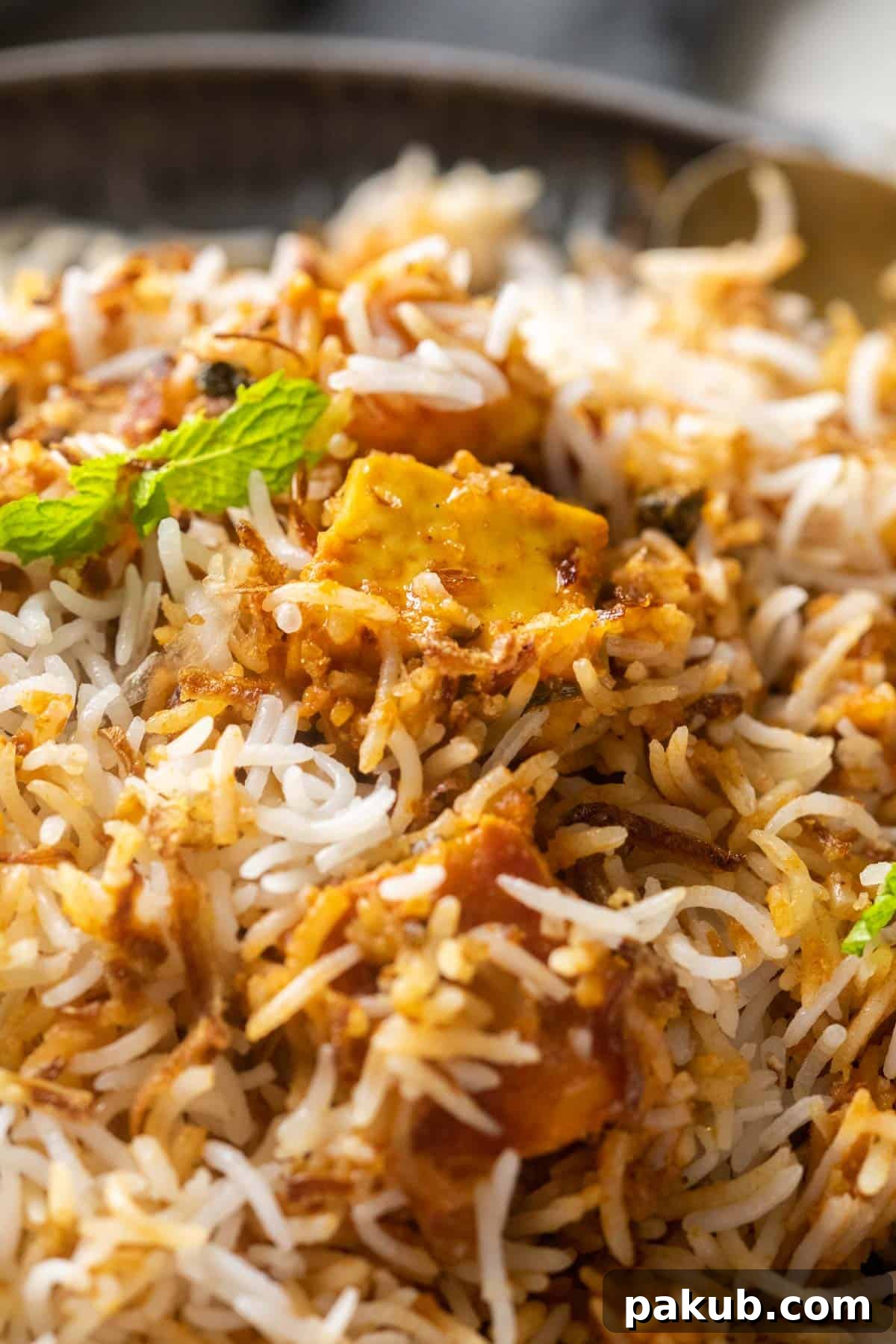
This Paneer Biryani recipe is truly a culinary delight that will have everyone requesting second and even third helpings. Its unique combination of creamy makhani goodness and fragrant biryani layers creates an irresistible experience.
I genuinely hope you try this incredible recipe at home! If you do, please take a moment to leave a comment below and share your thoughts. Your feedback is invaluable! And don’t forget to share your delicious creations with me on Instagram @my_foodstory. I absolutely love seeing your culinary masterpieces and hearing about your cooking adventures!
Watch the Recipe Video
Paneer Makhani Biryani
Rate Recipe
Print Recipe
Ingredients
Paneer Makhani Gravy
- 1 tablespoon Oil, neutral flavoured like canola, rice bran, sunflower
- 3 tablespoons Butter, divided
- 3 Kashmiri Red Chilies
- 2 teaspoons Ginger Garlic Paste
- 1 Bay leaves
- 1 inch Cinnamon Stick
- 3 Cloves
- 2 Cardamoms
- ½ teaspoon Peppercorns
- 1 Onion, roughly chopped
- 6 Tomatoes, roughly chopped
- 2 tablespoons Cashew Nuts
- 1 teaspoon Khus Khus White Poppy Seeds
- 1 ½ teaspoon Salt, divided
- ½ teaspoon Red Chilli Powder
- ½ teaspoon Turmeric
- ½ teaspoon Garam masala
- 1 ½ teaspoon Dried Kasuri Methi, roasted and crushed
- 1 ½ tablespoons Ketchup
- 250 grams Paneer cubes or Cottage Cheese
Basmati Rice
- 2 Cups Basmati Rice
- 1 Bay Leaf
- 2 Tablespoon Salt
- 1 Tablespoon Ghee
- 6 cups Water
Layering
- 3 Tablespoons Ghee
- ½ Cup chopped Coriander Leaves
- ½ Cup chopped Mint Leaves
- ⅓ Cup Fried Onions, divided
Instructions
Paneer Makhani Gravy
-
Wrap the whole spices (bay leaf, cardamom, cloves, pepper) in a cheesecloth or muslin to make a bouquet garni.
-
In a large pan or kadhai, heat a tablespoon of butter and a tablespoon of oil. Add onion, kashmiri red chillies, tomatoes and ginger garlic paste and saute for 2-3 minutes
-
Next add cashews, chilli powder, poppy seeds, turmeric powder, water and salt. Stir and bring to a boil. Add the muslin cloth with the whole spices and cook for 3-4 minutes.
-
Remove the muslin cloth and keep it aside. Add kasuri methi, garam masala and ketchup and stir to combine. Turn off the heat and allow it to cool.
-
Once cooled down, transfer to a blender and blend to a smooth consistency. Set aside.
Basmati Rice
-
Bring water to a roaring boil in a large stockpot. Add bay leaf, salt and soaked basmati rice. Add ghee and mix to combine.
-
Cook for 7 minutes or until the rice is 85% cooked. Drain the water once done and keep the rice aside for later.
Layering
-
Add the prepared gravy to a large heavy bottomed pot or dutch oven. Allow it to simmer and add the paneer cubes. Stir to combine and allow it to cook for 1 minute.
-
Sprinkle mint, coriander leaves and fried onions. Now add parboiled rice and level it. Drizzle ghee on the top. Place a small cup in the centre and place a piece of hot coal inside it. Add a spoon of ghee or oil. Once you see smoke come out, tightly cover it immediately.
-
Cook on a low flame for 15 minutes. If you don’t have a heavy bottomed pot, keep your pot on a tava or skillet with the flame on. This prevents the bottom from burning. Once 15 minutes are up, turn off the flame and rest for 10 minutes.
-
Finally remove the coal and sprinkle the remaining fried onions on top, lightly mix and serve hot.
Video
Nutrition
Carbohydrates: 47g,
Protein: 10g,
Fat: 24g,
Saturated Fat: 13g,
Polyunsaturated Fat: 1g,
Monounsaturated Fat: 5g,
Trans Fat: 1g,
Cholesterol: 51mg,
Sodium: 2292mg,
Potassium: 363mg,
Fiber: 3g,
Sugar: 4g,
Vitamin A: 1192IU,
Vitamin C: 15mg,
Calcium: 203mg,
Iron: 1mg
Explore More Delicious Biryani Recipes
Indian Recipes
The Best Chicken Biryani (Step-by-Step Video Recipe)
Indian Recipes
Mouthwatering Mutton Biryani – A Detailed Step-By-Step Recipe
Vegetarian Recipes
The Best Veg Biryani | Authentic Vegetable Biryani Recipe