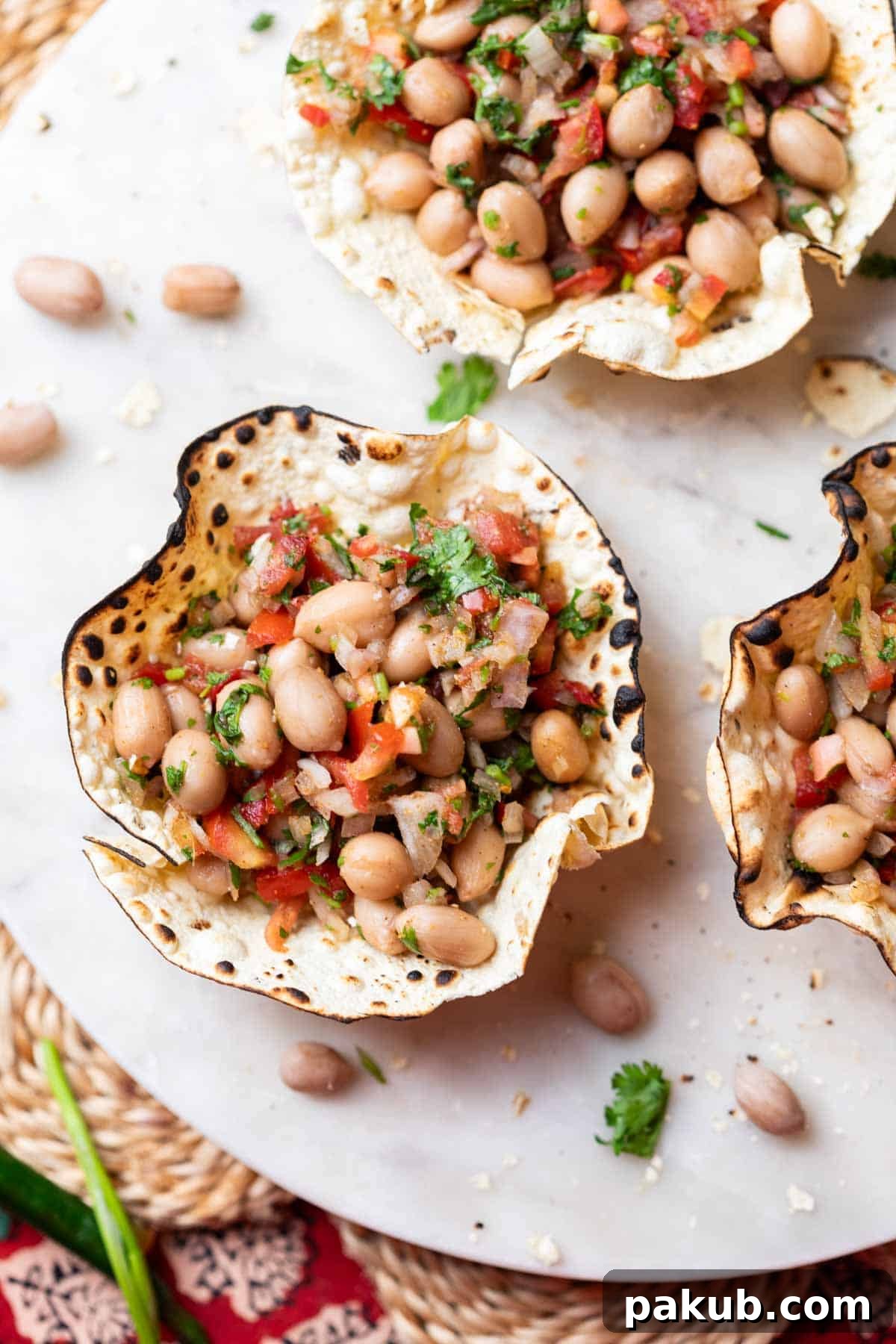
Elevate your festive celebrations with these ingenious and utterly delicious Papad Bowls, perfectly crafted to hold spicy Masala Peanuts. Forget ordinary serving dishes – these edible delights are the ultimate Diwali appetizer!
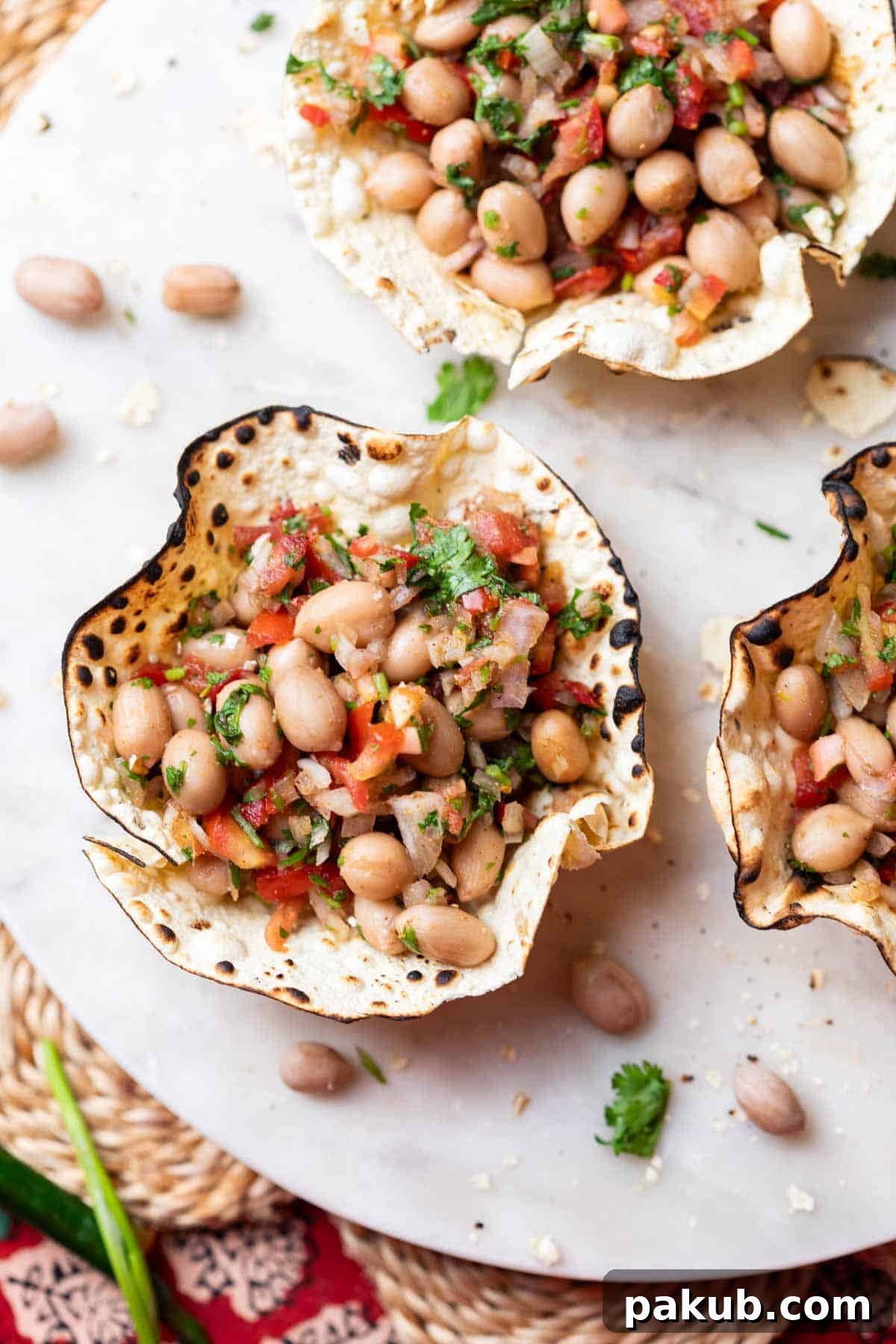
Diwali, the festival of lights, is a time for joy, celebration, and of course, an abundance of delicious food. As you plan your festive menu, why settle for conventional snacks when you can surprise your guests with something truly spectacular and interactive? Introducing the humble papad transformed into elegant, crispy bowls, generously filled with a zesty and flavorful Masala Peanuts mixture. This innovative twist on traditional Indian appetizers promises to be the highlight of your Diwali spread, leaving a lasting impression on everyone who tastes it.
This recipe isn’t just about making a snack; it’s about crafting an experience. The “papad bowl hack,” as it’s affectionately known, is surprisingly simple, yet yields results that look incredibly impressive. Imagine the delight of your guests as they pick up an individual, perfectly portioned, edible bowl, brimming with a tantalizing medley of spiced peanuts. It’s a delightful combination of textures and flavors – the crunchy papad giving way to the soft, spicy, and tangy moongfalli chaat within. It’s more than just food; it’s an edible conversation starter, a fun culinary adventure that embodies the festive spirit.
We’re taking the classic masala papad to an exciting new level by turning it into a serving vessel for a fresh, vibrant, and utterly irresistible peanut chaat. This spicy, chatpata, and crunchy fusion is an absolute winner. It’s designed to be passed around, allowing each guest to enjoy their own personalized bowl of deliciousness. Get ready to witness pure joy as they savor every bite of this unique katori chaat!
Creating these delightful papad bowls and filling them with our exquisite moongfalli chaat is a quick and rewarding process. For the best experience, prepare and serve them immediately, ensuring maximum crunch and freshness!
Table of Contents
- The Art of Papad Bowls (Katori Chaat)
- Why These Edible Bowls Are Perfect for Diwali
- Crafting the Irresistible Masala Peanut Filling
- Ingredients Overview
- Frequently Asked Questions
- Tips for Perfect Papad Bowls
The Art of Papad Bowls (Katori Chaat)
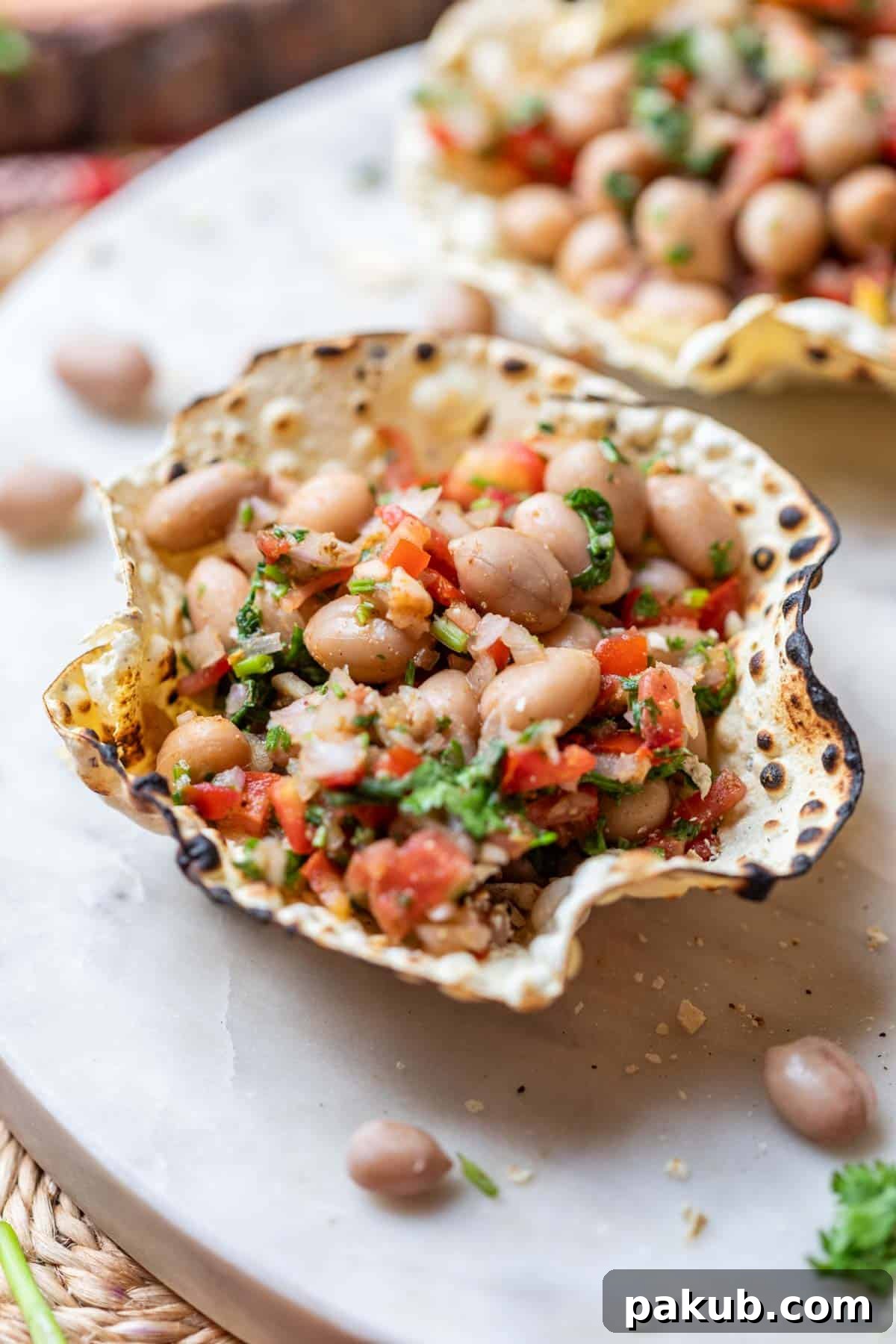
The concept of an edible bowl isn’t new in many cuisines, but using papad to create a crispy, savory vessel is a stroke of genius, especially for Indian snacks. Papad, a thin, crisp disc-shaped food made from seasoned dough, is typically fried or roasted. Its inherent crispness and ability to be molded when warm make it an ideal candidate for transforming into a delicate yet sturdy katori (bowl).
This “hack” is not only simple but also incredibly versatile. While we’re focusing on masala peanuts today, the possibilities for fillings are truly endless. From light salads and sprouted moong chaat to savory mixes and even mini street food portions, these papad bowls can host a variety of flavors and textures. The beauty lies in their simplicity and the instant gratification they offer – a fresh, crispy shell complementing a flavorful filling, all in one delightful bite.
The visual appeal is undeniable. A platter of golden-brown papad bowls, each bursting with colorful ingredients, is a treat for the eyes before it even reaches the palate. It adds an element of fun and sophistication to any gathering, making your snack presentation truly memorable.
Why These Edible Bowls Are Perfect for Diwali
Diwali is synonymous with feasting and sharing. Families and friends gather, homes are decorated, and delicious food takes center stage. In such a festive environment, snacks that are easy to eat, mess-free, and visually appealing are highly prized. Papad bowls with masala peanuts tick all these boxes and more.
- Unique Presentation: Move beyond plates and serving spoons. Individual edible bowls offer a novel and charming way to serve appetizers.
- Interactive Experience: Guests love the novelty of eating their bowl along with the filling. It creates a fun, engaging culinary moment.
- Portion Control: Each bowl is a perfect single serving, making it convenient for guests to mingle and enjoy without juggling plates and cutlery.
- Flavor Harmony: The subtle saltiness and crunch of the papad beautifully contrast with the fresh, spicy, and tangy chaat, creating a balanced and addictive flavor profile.
- Quick & Easy: Despite their sophisticated appearance, these bowls are surprisingly quick to prepare, freeing you up to enjoy the festivities.
- Customizable: While we recommend masala peanuts, you can tailor the filling to your guests’ preferences or dietary needs, making it a versatile addition to any party.
Serving these for Diwali ensures your celebration stands out with a snack that is both deeply rooted in Indian flavors and presented with a modern, creative flair. It’s a guaranteed crowd-pleaser that will have everyone asking for the recipe!
Crafting the Irresistible Masala Peanut Filling
The star of our papad bowls, apart from the bowls themselves, is the exquisite masala peanut filling, or moongfalli chaat. This vibrant mixture is a symphony of textures and flavors, combining the earthiness of boiled peanuts with the crisp freshness of finely chopped vegetables and a punchy blend of spices. It’s a celebration of all things chatpata – that uniquely Indian sensation of savory, tangy, spicy, and sweet all at once.
For this filling, we use tender boiled peanuts as the base, providing a satisfying bite and a creamy counterpoint to the crunchy papad. These are then generously mixed with finely diced onions and tomatoes, adding a burst of freshness and a slight tang. The magic truly happens with the addition of key spices: cumin seed powder for warmth and earthiness, and the indispensable chaat masala, which delivers that characteristic tangy-spicy kick. A squeeze of fresh lemon juice brightens all the flavors, while a sprinkle of salt balances everything perfectly. Finally, a scattering of fresh coriander leaves adds a burst of vibrant green and a fragrant finish.
The beauty of this filling is its simplicity and how quickly it comes together. It requires no cooking beyond boiling the peanuts, making it an ideal last-minute addition to your party spread. The combination of ingredients ensures a snack that is light yet satisfying, and utterly bursting with authentic Indian flavors. It’s this perfect harmony between the crispy papad bowl and the fresh, zesty filling that makes this appetizer truly irresistible.
Ingredients Overview
For these delightful Papad Bowls, we’ll primarily be using medium-sized moong papads, known for their ideal crispness and pliability when roasted. The star filling, our masala peanuts (moongfalli chaat), will comprise a medley of tender boiled peanuts, finely chopped fresh onions and tomatoes, and a careful blend of aromatic chaat masala and cumin powder. A generous squeeze of fresh lemon juice will tie all the vibrant flavors together, creating a truly irresistible festive snack!
Frequently Asked Questions
Can I make this papad bowl with any type of papad?
For the best results, we highly recommend using Lijjat-type papads. Their specific texture and composition allow them to become pliable enough to mold into bowls when warm, and then crisp up beautifully as they cool. South Indian varieties of papads, or appalams, tend to have a different consistency and may not hold their shape as well, or they might become too brittle to work with. Stick to moong dal or urad dal papads of the Lijjat brand or similar for optimal success.
My papad bowl is breaking. What am I doing wrong?
The most crucial factor for perfectly formed papad bowls is speed and temperature. You must mold the papad while it is still warm and flexible immediately after roasting. As soon as it begins to cool, it quickly becomes crispy and prone to breaking. Work quickly from stove to molding bowls. Another common issue can be the size of the papad; we strongly recommend using medium-sized papads, not the very large ones. Larger papads are harder to handle, cool down faster, and are more susceptible to tearing. Practice makes perfect – don’t get discouraged if the first few don’t turn out perfectly!
Can I add any other type of chaat to these papad bowls?
Absolutely! The versatility of these papad bowls is one of their greatest assets. You can fill them with a variety of crunchy, veggie-based salads or chaats. However, there’s a key consideration: avoid fillings that are excessively wet or loaded with too much chutney or dressing. The moisture will quickly make the papad bowls soggy, diminishing their delightful crispness. Opt for drier mixes. For example, my Moong Sprouts Salad would be an excellent, refreshing alternative, offering a healthy and tangy twist to your edible bowls. You could also try a corn chaat, chana chaat, or even a simple cucumber and onion salad with a touch of lemon and spices.
Can I prepare the components of this dish in advance?
Yes, you can definitely do some prep work ahead of time! The peanuts can be boiled and stored in the refrigerator for up to 2-3 days. All the vegetables (onions, tomatoes, coriander) can be finely chopped and kept separate in airtight containers in the fridge a day before serving. However, the papad bowls themselves must be made just before serving to ensure they are crisp. Similarly, the masala peanut filling should be mixed right before filling the bowls to prevent the vegetables from releasing too much moisture and making the filling watery. Assemble everything last minute for the freshest, crunchiest experience.
What are alternative ways to roast papads if I don’t want to use an open flame?
While roasting on an open flame gives a wonderful char and flavor, you have several alternatives:
- Microwave: Place a papad in the microwave for 30-60 seconds (cooking time varies by microwave), flipping halfway through, until crispy. Be careful not to overcook, as it can burn quickly.
- Air Fryer: Preheat your air fryer to 350°F (175°C). Place papads in a single layer and air fry for 30-60 seconds, flipping once. Watch them closely as they cook very fast.
- Frying: If you don’t mind a little oil, deep-frying papads is the traditional method. Heat oil, fry for a few seconds until they puff up, then remove quickly. This method makes them very crispy but also adds more calories.
No matter the method, ensure the papad is still warm when you attempt to mold it into a bowl shape.
Tips for Perfect Papad Bowls
Achieving those perfectly formed, crispy papad bowls is easier than you think with a few insider tips:
- Choose the Right Papad: As mentioned, Lijjat-type papads (moong or urad dal) are your best friends for this recipe. Their texture allows for proper molding.
- Work Quickly and Efficiently: Timing is everything! Once a papad is roasted, it starts cooling and crisping up rapidly. Have your molding bowls ready (one larger, one smaller) right next to your cooking station.
- Even Roasting is Key: Whether using an open flame, microwave, or air fryer, ensure the papad is evenly roasted without burning. Unevenly cooked papads will be difficult to mold and might break. Use tongs to flip frequently.
- Gentle Pressure: When molding, apply gentle but firm pressure with the smaller bowl into the larger one. Too much force can crack the papad, too little won’t shape it properly.
- Medium Size is Best: Resist the urge to use very large papads. Medium ones are much more manageable and less likely to break during molding.
- Prevent Soggy Bowls: Always fill the papad bowls just before serving. The moisture from the chaat can quickly make the papad soft and undesirable.
- Experiment with Fillings: Once you master the basic bowl, feel free to get creative! Just remember the golden rule: keep the filling relatively dry to maintain crunch.
- Storage: Once formed and cooled, the empty papad bowls can be stored in an airtight container for a few hours at room temperature, but they are best consumed within an hour or two for peak crispness.
Papad Bowl (Katori) Chaat
Richa
10 mins
15 mins
25 mins
4 people
Rate Recipe
Print Recipe
Ingredients
- 6 medium moong papads
For the filling
- 1 cup boiled peanuts
- ½ cup onions, finely chopped
- ½ cup tomatoes, finely chopped
- 1 teaspoon cumin seed powder
- 1 teaspoon chaat masala
- Juice of ½ lemon, approx. 1 teaspoon
- ¼ teaspoon salt
- 1 tablespoon finely chopped coriander leaves
Instructions
Making the Peanut Chaat Filling
-
In a large mixing bowl, combine all the ingredients listed for the filling: boiled peanuts, finely chopped onions, finely chopped tomatoes, cumin seed powder, chaat masala, lemon juice, salt, and fresh coriander leaves. Mix them thoroughly until all components are well combined and coated with the spices.
Making Papad Katoris (Bowls)
-
Prepare two heat-safe bowls of different sizes, one slightly larger (approx. 7 cm diameter) and one smaller (approx. 4 cm diameter), which will be used for molding the papad. Have them ready and within arm’s reach.
-
Using tongs, carefully roast one papad at a time over an open flame on your stove. Keep flipping it constantly to ensure even cooking and prevent burning. The papad should swell slightly and become well-cooked but not charred.
-
Immediately after roasting, while the papad is still warm and pliable, quickly place it into the larger bowl. Gently but firmly press the smaller bowl into the center of the warm papad, molding it into the shape of a katori or bowl. Hold for a few seconds until it sets.
-
Allow the molded papad to cool completely. As it cools, it will turn crisp and retain its bowl shape.
-
Repeat this process for all remaining papads, ensuring each one is shaped while still warm for the best results.
-
Just before serving, fill each crispy papad bowl with a generous spoonful of the prepared peanut chaat. Serve immediately to enjoy the ultimate crunchy and flavorful experience!
Notes
- For successful molding, only Lijjat-type papads work well in this recipe; South Indian papads tend not to hold their shape as effectively.
- Always use medium-sized papads. Larger ones are more difficult to manage and prone to breaking during the molding process.
- To maintain the crispness of the bowls, always fill them with the chaat just before serving.
Nutrition
Per Serving (estimated):
- Calories: 223kcal
- Carbohydrates: 9g
- Protein: 10g
- Fat: 18g
- Saturated Fat: 3g
- Polyunsaturated Fat: 6g
- Monounsaturated Fat: 8g
- Sodium: 156mg
- Potassium: 354mg
- Fiber: 4g
- Sugar: 1g
- Vitamin A: 169IU
- Vitamin C: 4mg
- Calcium: 50mg
- Iron: 2mg
If you’re seeking a Diwali snack recipe that combines tradition with innovative flair, then this papad bowl with masala peanuts is an absolute must-try. I can confidently guarantee that these unique, edible appetizers will disappear from your festive table in record time!
I hope you’re thoroughly enjoying this Diwali recipe series so far! I’d be thrilled to see these delightful creations grace your festive table this year. Please share your culinary masterpieces with me over on my Instagram @my_foodstory and make sure to stay tuned for even more festive inspirations. Happy cooking and a very Happy Diwali!
This article was written by Navya Khetarpal.