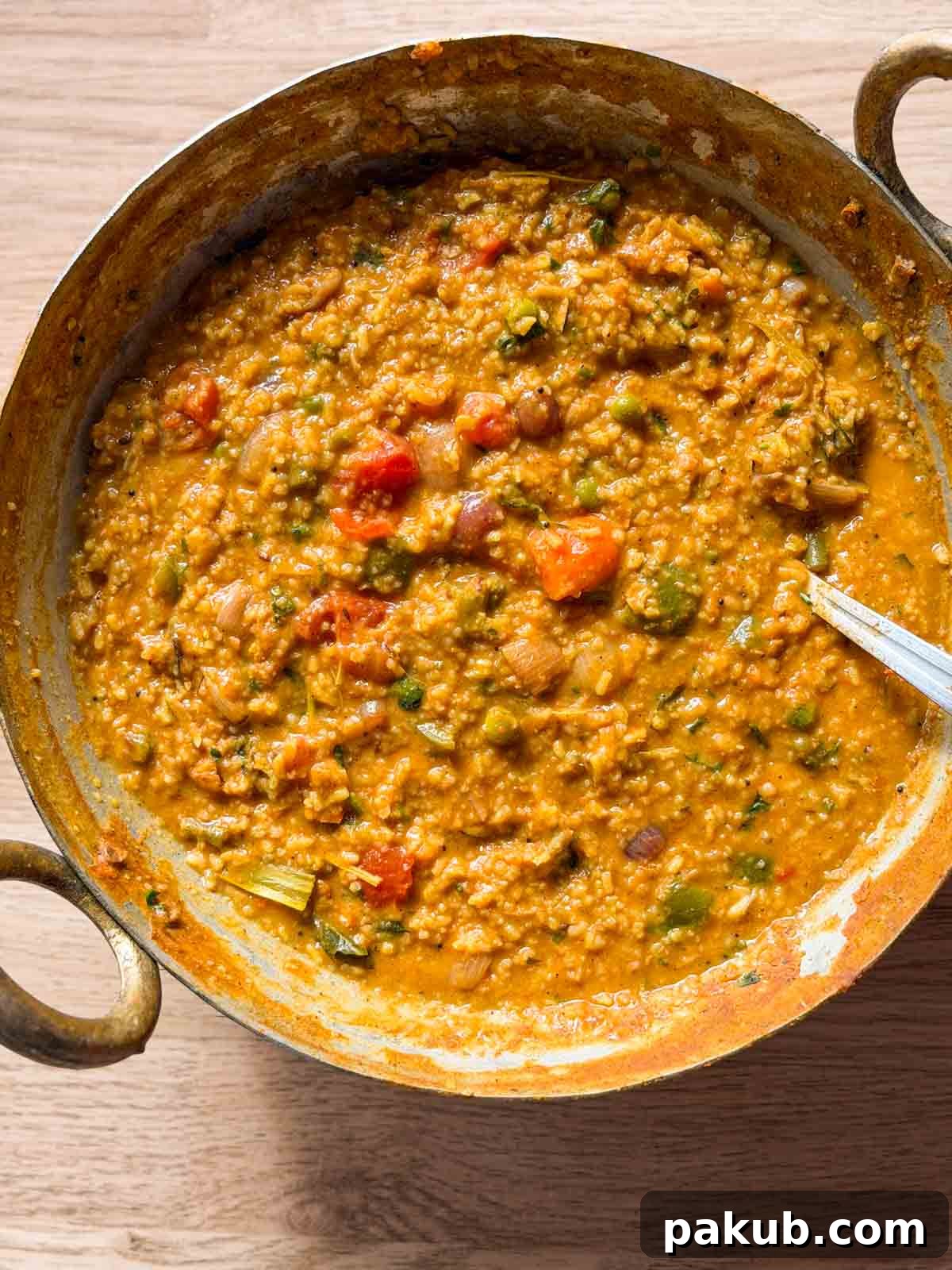
Bisi Bele Bath is a delicious rice and lentil dish from Karnataka in South India. It’s comforting, comes together with everyday ingredients, and tastes like comfort and a hug in a bowl.
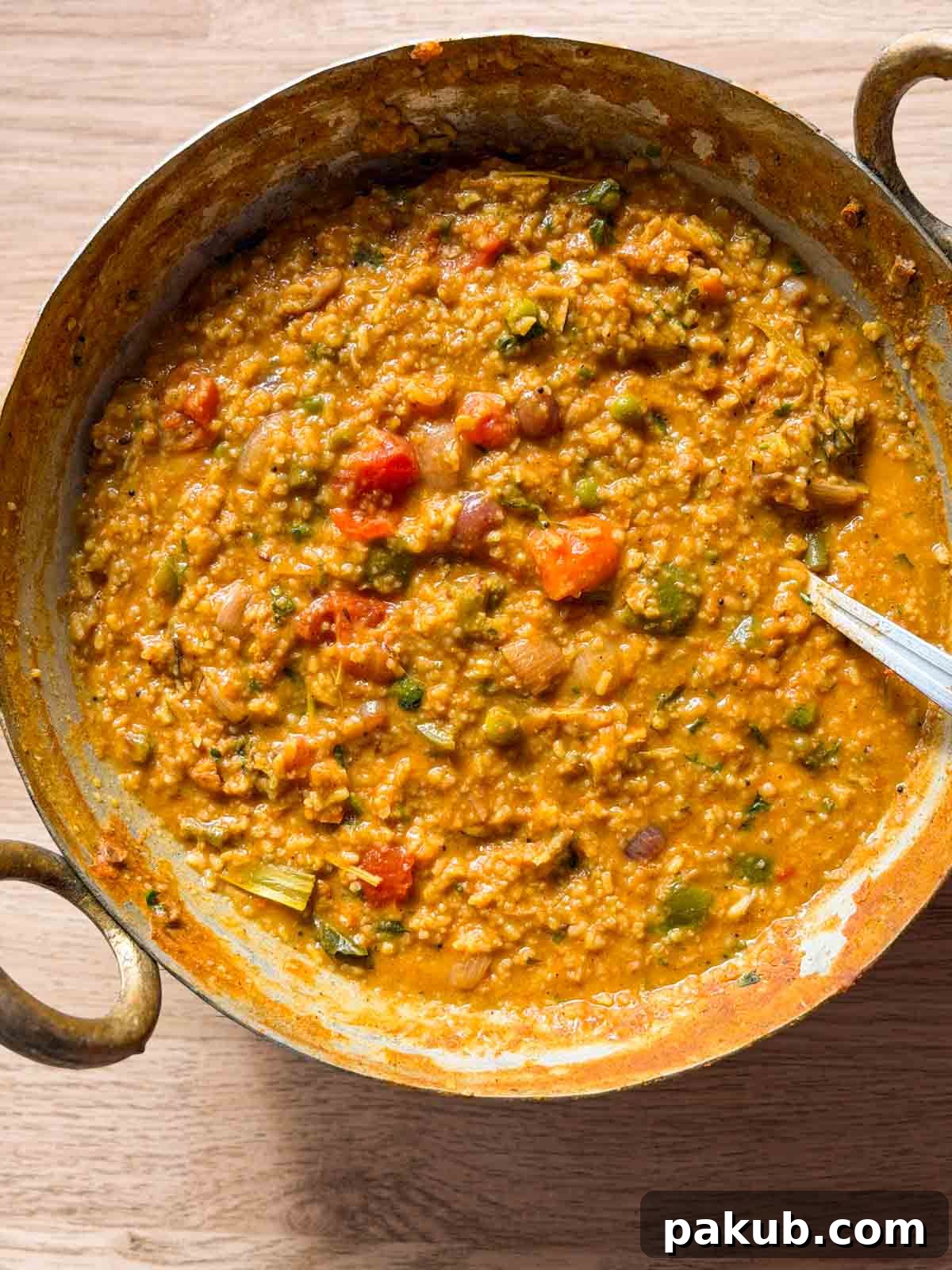
When the days are rainy or you crave something warm and satisfying, bisi bele bath is an ideal choice. This traditional Karnataka one-pot meal blends rice, lentils and vegetables with a unique spice mix to create a fragrant, slightly porridge-like dish. It’s easy to make with pantry staples, and the result is hearty, flavorful and deeply comforting.
Jump to section: Bisi Bele Bath
- Bisi Bele Bath Ingredients
- Frequently Asked Questions
- Top Tips
- Storage Tips
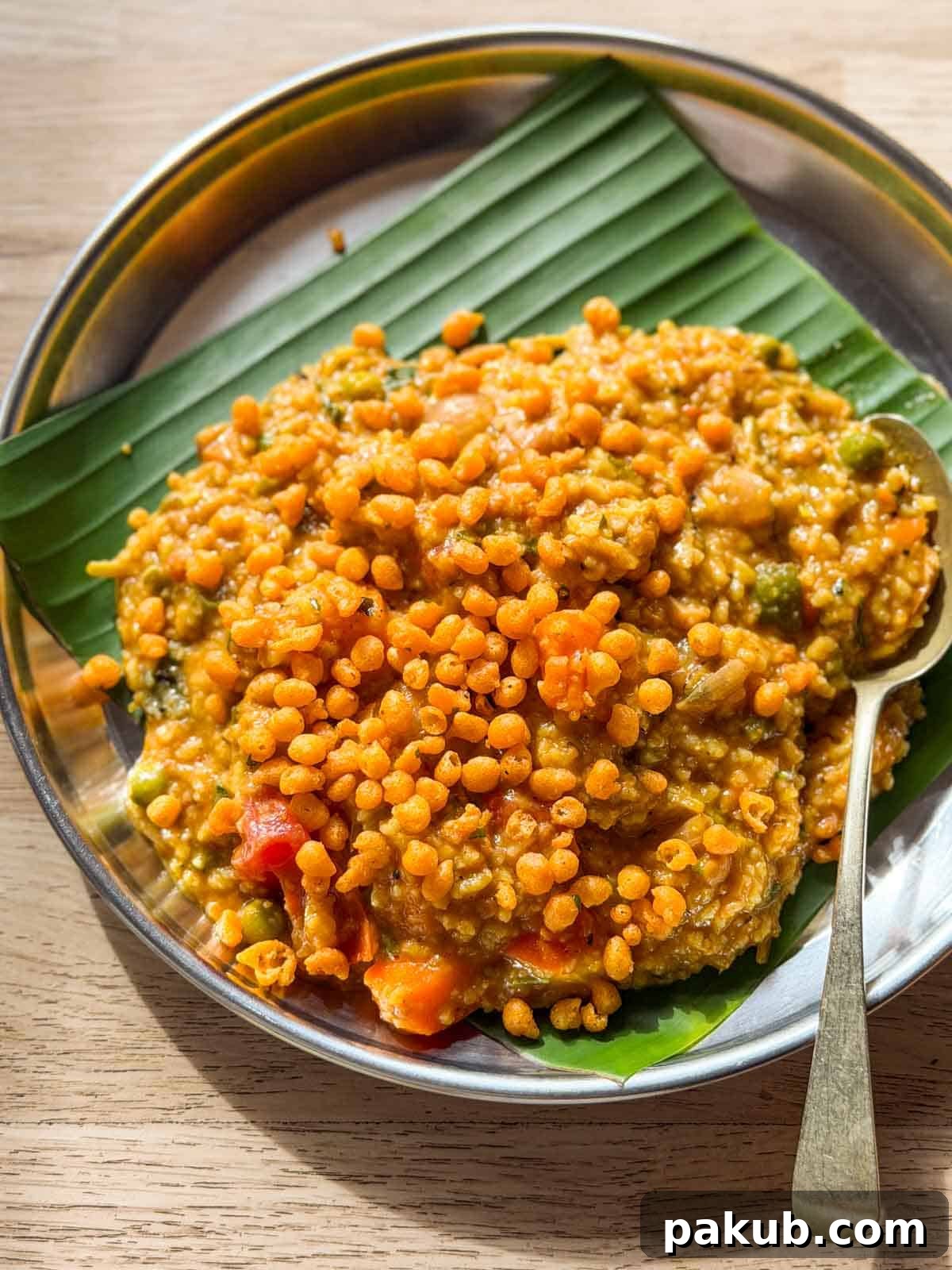
- Serving Ideas
- Recipe Overview
Bisi Bele Bath Ingredients
Rice: Traditionally jeera samba is used, but any short-grain rice works well.
Dal: Toor dal is the main lentil for creaminess. Small amounts of chana dal and urad dal are used in the tempering for texture and nuttiness.
Vegetables: Common choices include sambar onions, tomatoes, carrots, capsicum (green bell pepper), beans and green peas for color, texture and nutrition.
Spices: Mustard seeds, cumin (jeera), hing (asafoetida), turmeric and chilli powder add warmth and depth.
Bisi Bele Bath Masala: The defining spice blend for this dish. You can use a quality store-bought mix or prepare it at home from roasted spices, coconut and lentils.
Cashews: Split in half and lightly roasted for crunch.
Desiccated coconut: Adds a subtle, nutty richness to the gravy.
Herbs: Fresh curry leaves and chopped coriander (cilantro) for bright, aromatic notes.
Tamarind extract: Provides the characteristic tang typical of Karnataka preparations.
Jaggery: Balances the tamarind with a gentle sweetness.
Ghee: Clarified butter adds aroma and richness; you may substitute oil but flavor will differ slightly.
Frequently Asked Questions
Sambar rice (from Tamil Nadu) uses sambar powder and typically has a lighter, tangy-savoury profile. Bisi bele bath uses a specific bisi bele bath masala, often includes coconut and a particular balance of tamarind and jaggery, and tends to be softer and more porridge-like.
How does bisi bele bath differ from khichdi?
Khichdi is usually a simple, mildly spiced rice-and-dal comfort food. Bisi bele bath is more complex—spiced with a special masala, enriched with vegetables, tamarind and often finished with a ghee tempering.
Is bisi bele bath healthy?
Yes. It combines rice and lentils for carbohydrates and plant protein, plus vegetables for fiber and micronutrients. Control the amount of ghee or oil to manage calories.
Is it spicy?
It is typically mild to moderately spicy; you can increase or reduce chilli powder to suit your taste.
Top Tips
- Cook rice and dal well: Aim for a soft, slightly mushy texture—bisi bele bath should be creamy rather than grainy.
- Add tamarind gradually: Concentration varies; taste and adjust to get the right tang.
- Tempering matters: The final tempering of ghee, mustard, curry leaves and roasted dals/cashews adds essential aroma and texture.
- Rest before serving: Letting the dish sit for a few minutes allows the flavors to meld and the consistency to settle.
Storage Tips
Refrigerator: Store cooled bisi bele bath in an airtight container for 3–4 days.
Reheating: It thickens as it cools—add a little water when reheating and warm gently on the stove or microwave, stirring to restore a creamy consistency.
Freezing: You can freeze portions for up to 1 month. Texture may soften after thawing; reheat gently and adjust seasoning if needed.
Serving Ideas
Bisi bele bath is satisfying on its own, but these accompaniments enhance the experience:
- Crunchy sides: Papad, potato chips or boondi provide a contrasting texture.
- Cooling sides: Plain curd (yogurt), cucumber raita or a simple salad balance the spices.
- Finish with ghee: A drizzle of warm ghee just before serving elevates aroma and richness.
- Traditional meal: Pair with a vegetable sabzi, pickle and papad for a fuller spread.
Recipe Overview
Ingredients (serves 6–8)
- ¾ cup rice
- ½ cup toor dal
- ½ cup carrots, cut
- ½ cup beans, cut
- 1 tsp salt (adjust)
- ½ tsp turmeric powder
- 1 tsp oil
- 2 cups water (for cooking rice & dal)
- 2 tbsp ghee
- ½ tsp mustard seeds, ¼ tsp cumin seeds
- 1 tsp urad dal, 1 tsp chana dal
- 5–6 cashews, halved
- 12–15 curry leaves
- ½ tsp hing
- ½ cup sambar onions
- 1 green capsicum, cubed
- 2 tomatoes, chopped
- ¼ cup desiccated coconut
- ¼ cup bisi bele bath powder
- ¼ cup tamarind extract (not too thick)
- 1 tbsp jaggery
- ½ tsp chilli powder
- 1 ¼ tsp salt (total, adjust)
- ½ cup green peas
- 3 cups water (for gravy)
- 3 tbsp chopped coriander
Instructions
- Add rice, dal, carrots, beans, salt, turmeric, oil and 2 cups water to a pressure cooker. Cook 1 whistle on high, then 2 more whistles on medium-low. Let pressure release naturally.
- Heat ghee in a large kadhai or pot. Add mustard and cumin; when they crackle, add urad dal, chana dal and cashews. Roast until light golden, then add curry leaves and hing.
- Add sambar onions and capsicum; sauté 2 minutes. Add tomatoes, desiccated coconut, bisi bele bath powder, tamarind extract, jaggery, chilli powder, salt, green peas and 2 cups water. Bring to a boil and simmer 3–4 minutes.
- Add the cooked rice, dal and vegetables, plus another cup of water (or more to reach desired consistency). Simmer 3–4 minutes, stir in chopped coriander and adjust seasoning.
- Serve hot. The dish often improves after resting for a short time, so it can be made ahead and reheated.
Nutrition (approx. per serving)
Calories: 183 kcal • Carbohydrates: 28 g • Protein: 4 g • Fat: 6 g • Fiber: 4 g
You only need to make bisi bele bath once to appreciate its comforting, warming and wholesome appeal. If you try this recipe, share your photos and feedback—it’s a truly rewarding dish to cook and enjoy.
This article was researched by Urvi Dalal