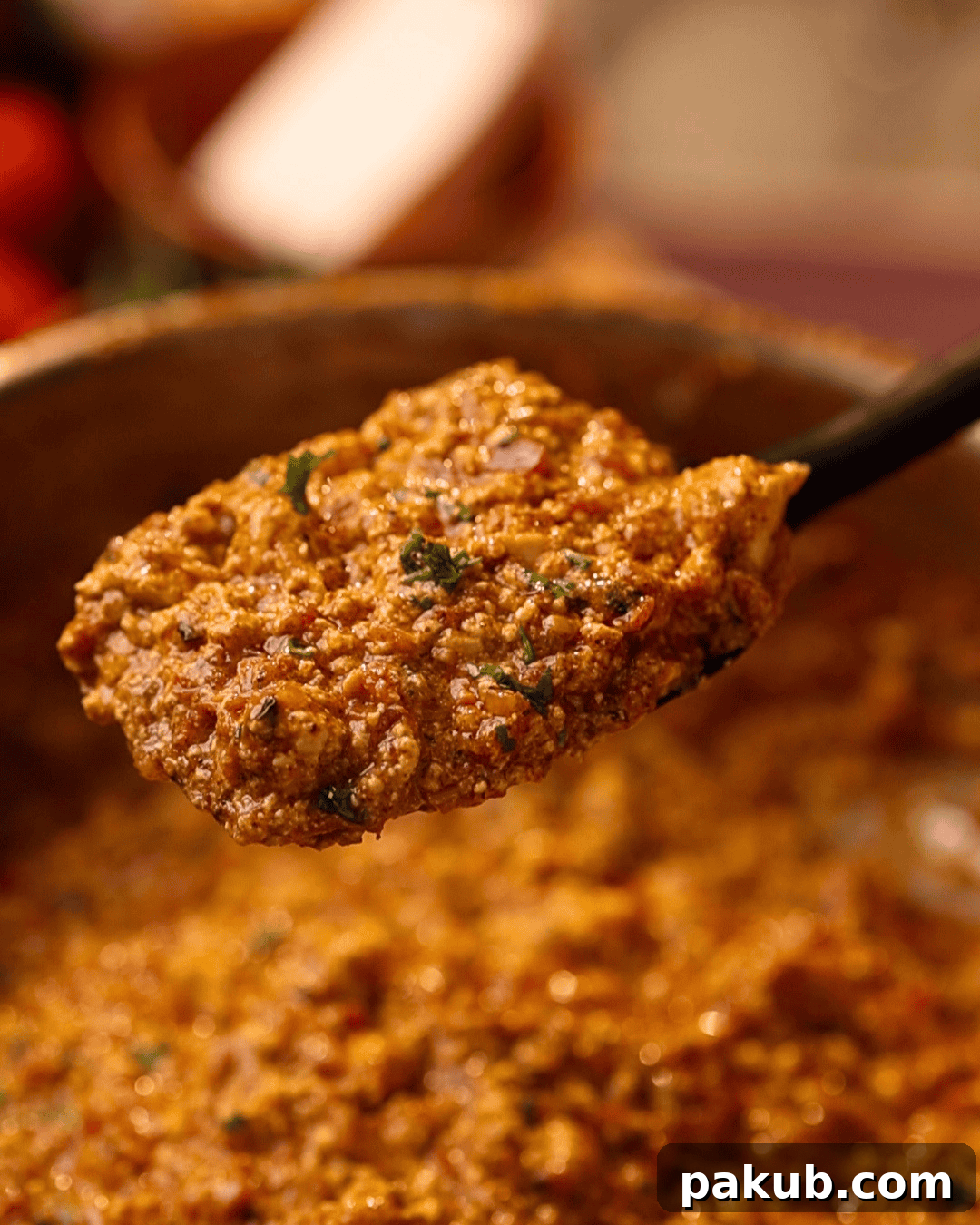
This Amritsari paneer bhurji is the creamiest bhurji I’ve ever made, and there’s not a drop of cream in it. The secret is roasted besan and curd, and once you try it, regular bhurji just won’t feel the same.
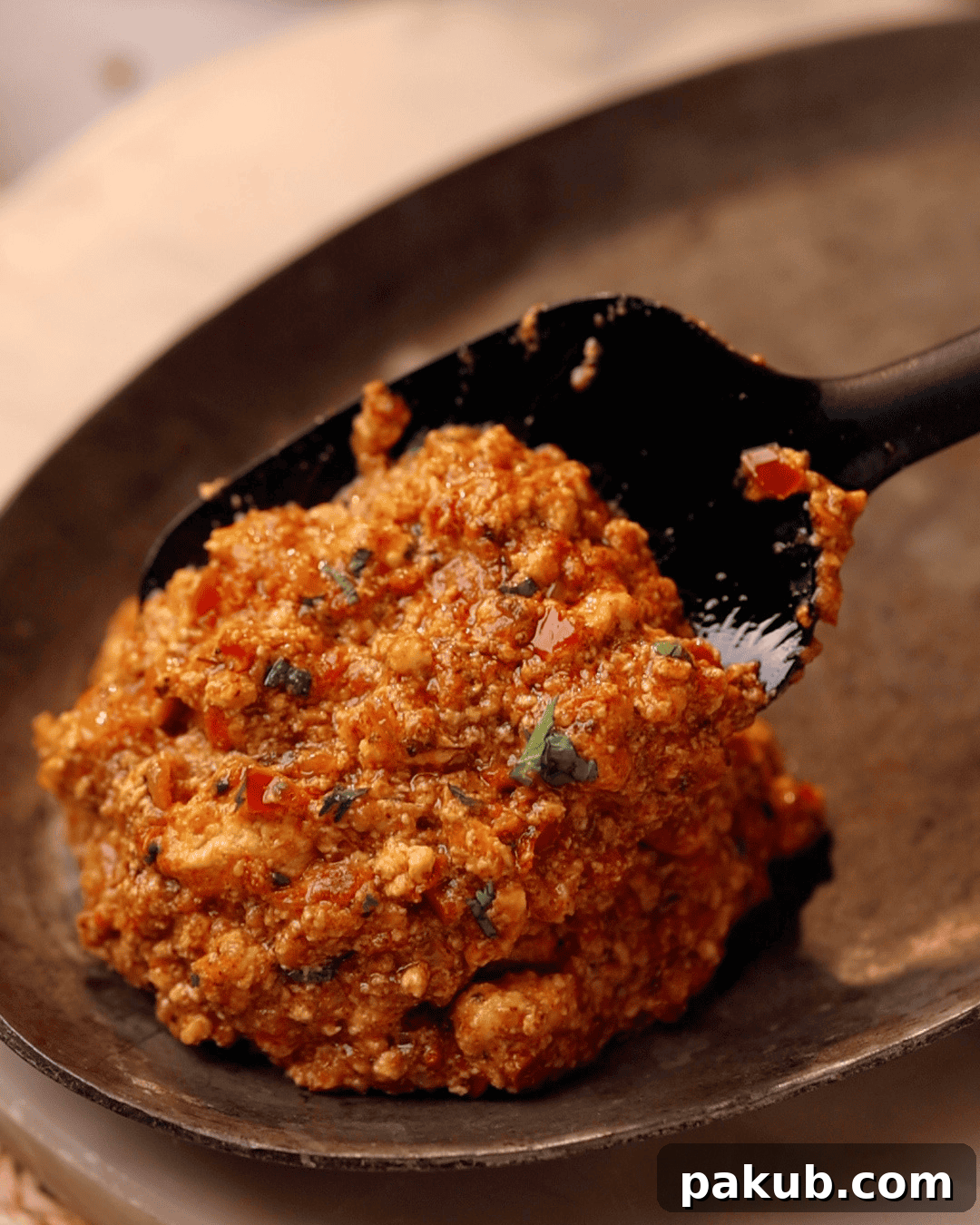
This Amritsari paneer bhurji tastes like the generous, soft-paneer plates you find at old Punjabi dhabas: paneer that remains tender, a masala that’s rich and layered, and a finish that makes you reach for seconds. The method is straightforward and takes about 40 minutes with pantry spices and everyday ingredients. The key difference from simpler paneer bhurji is the roasted besan mixed with spiced curd, which creates a silky, thick sauce without any cream.
If you enjoy a classic paneer bhurji, this version elevates the same basic elements into something more indulgent. Fresh homemade paneer works especially well because it stays soft and soaks up the masala, but good store-bought paneer can be softened and used with the same excellent results.
Ingredients for Amritsari Paneer Bhurji
Paneer: Grated or crumbled for an even, creamy texture. Fresh homemade paneer is ideal, but store-bought is fine if softened before use.
Curd Masala Mix: Whisked curds blended with turmeric, red chilli, coriander, garam masala, pav bhaji masala, amchur powder, and salt. This spiced curd base gives the dish its distinctive tang and depth.
Besan Mix: Besan (chickpea flour) roasted in oil with kasuri methi and Kashmiri chilli. The roasted besan, when combined with the curd mix, creates the luscious, creamy texture.
Aromatics: Green chillies, ginger, and garlic sautéed in mustard oil and butter for authentic flavour.
Onions & Tomatoes: Finely chopped and cooked down to form the bhurji base.
Milk: Added for extra creaminess and to help the masala coat the paneer evenly.
Mustard Oil & Butter: Mustard oil gives a sharp, traditional note; butter adds richness. Use what you prefer if mustard oil is unavailable.
Coriander Leaves: Freshly chopped for garnish and a bright finish.
Frequently Asked Questions
Amritsari paneer bhurji uses a roasted besan and spiced curd mix that creates a thicker, creamier texture and a deeper, layered flavour. It often includes pav bhaji masala and amchur for additional depth. Regular paneer bhurji tends to be simpler and lighter.
Use fresh paneer when possible and avoid overcooking. Add the paneer toward the end and simmer just long enough—about 5–7 minutes—for it to absorb the masala without becoming rubbery.
Yes. If the store-bought paneer feels firm or dry, soak it briefly in warm water for 10–15 minutes before crumbling; this softens it and helps it absorb flavours better.
If the besan still smells raw, it hasn’t been roasted long enough. Roast on low heat for 3–4 minutes, or until the raw aroma disappears and the colour deepens slightly. Proper roasting is crucial for the final flavour.
Richa’s Top Tips
- Roast the besan thoroughly. This removes the raw taste and builds a toasty, nutty base for the dish.
- Add the curd-besan mix off the heat. Adding it while the pan is still on high can make curd split; mixing it in off heat prevents graininess.
- Use mustard oil for authenticity. If you prefer a milder flavour, use half mustard oil and half neutral oil.
- Don’t skip the milk. It’s essential for the silky texture that makes this bhurji feel indulgent.
- Keep paneer tender. Add it late in cooking and heat just enough for it to soak up the masala.
- Substitute masalas as needed. If you don’t have pav bhaji masala, Kitchen King or another curry masala can be used instead.
Storage Tips
- Fridge: Store in an airtight container for up to 2 days. Flavours deepen overnight; add a splash of milk when reheating to restore creaminess.
- Freezing: Not recommended. Paneer can become rubbery and the curd-besan base may separate after thawing.
- Reheating: Warm gently on the stove with a little milk, stirring frequently. This preserves texture better than the microwave.
Serving Ideas
Amritsari paneer bhurji is versatile and works for breakfast, lunch, dinner, or snacks. Try it with buttered pav, flaky lachha paratha, tear-and-scoop naan, stuffed into sandwiches or rolls, or as part of a thali alongside jeera rice and dal.
Customisation Ideas
- Vegan option: Use crumbled firm tofu in place of paneer; squeeze out excess water so it absorbs the masala.
- Add vegetables: Finely chopped capsicum, peas, or corn add colour and texture without overpowering the flavour.
- Egg version: Scramble eggs directly into the roasted besan-curd masala for an Amritsari-style egg bhurji.
- Cheesy finish: Stir in grated mozzarella or cheddar at the end for an extra indulgent, melty texture.
- Drier for rolls: Cook a little longer to evaporate excess moisture if you plan to use the bhurji in sandwiches or wraps.
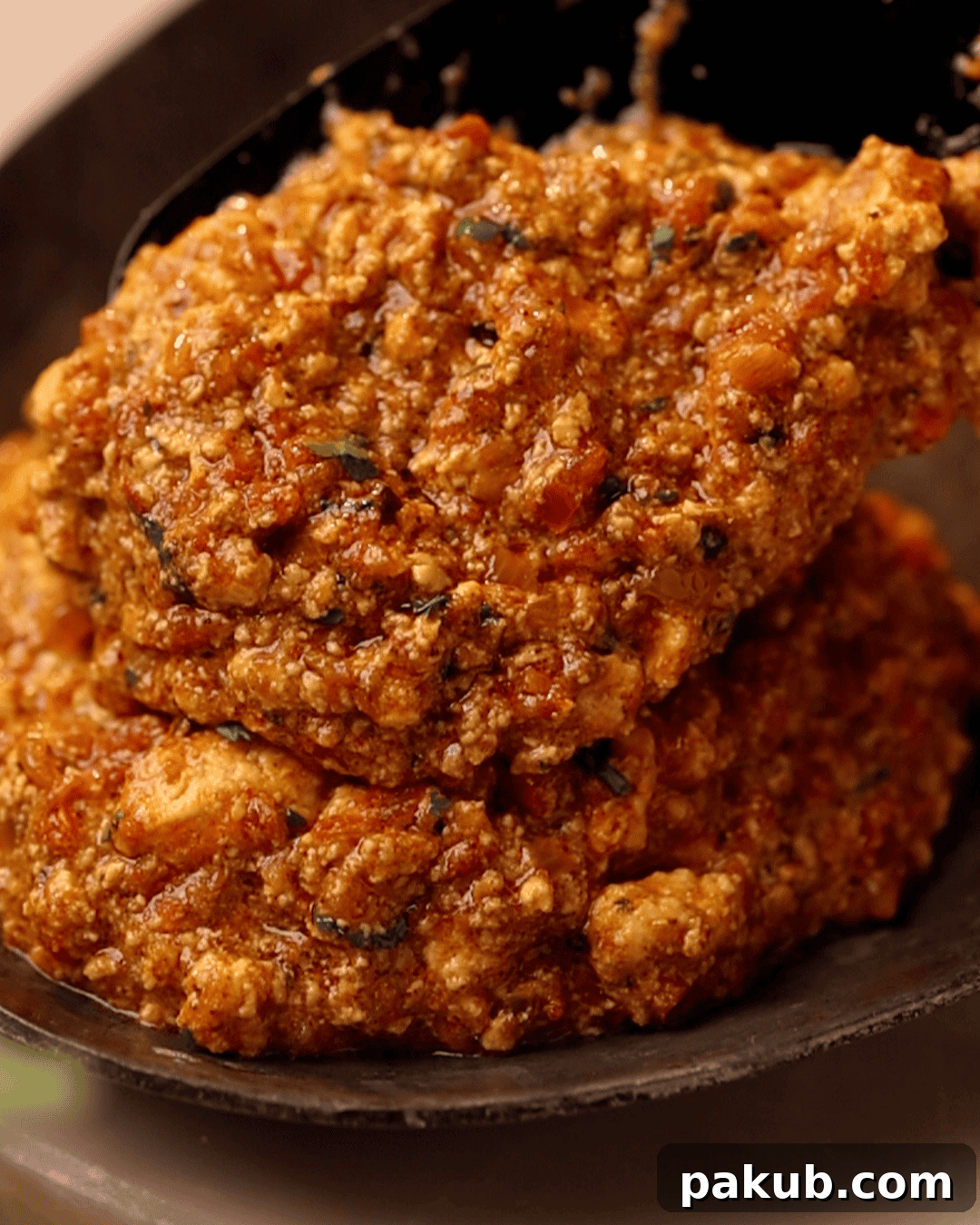
If you take one technique from this recipe, it should be the roasted besan + curd trick. It adds luxurious body and richness to the masala without using cream, and it translates well to other dishes that need extra creaminess. Try this Amritsari paneer bhurji and you’ll likely reach for roasted besan the next time you want a richer, smoother finish in a curry or scramble.
This article was researched and written by Harita Odedra.