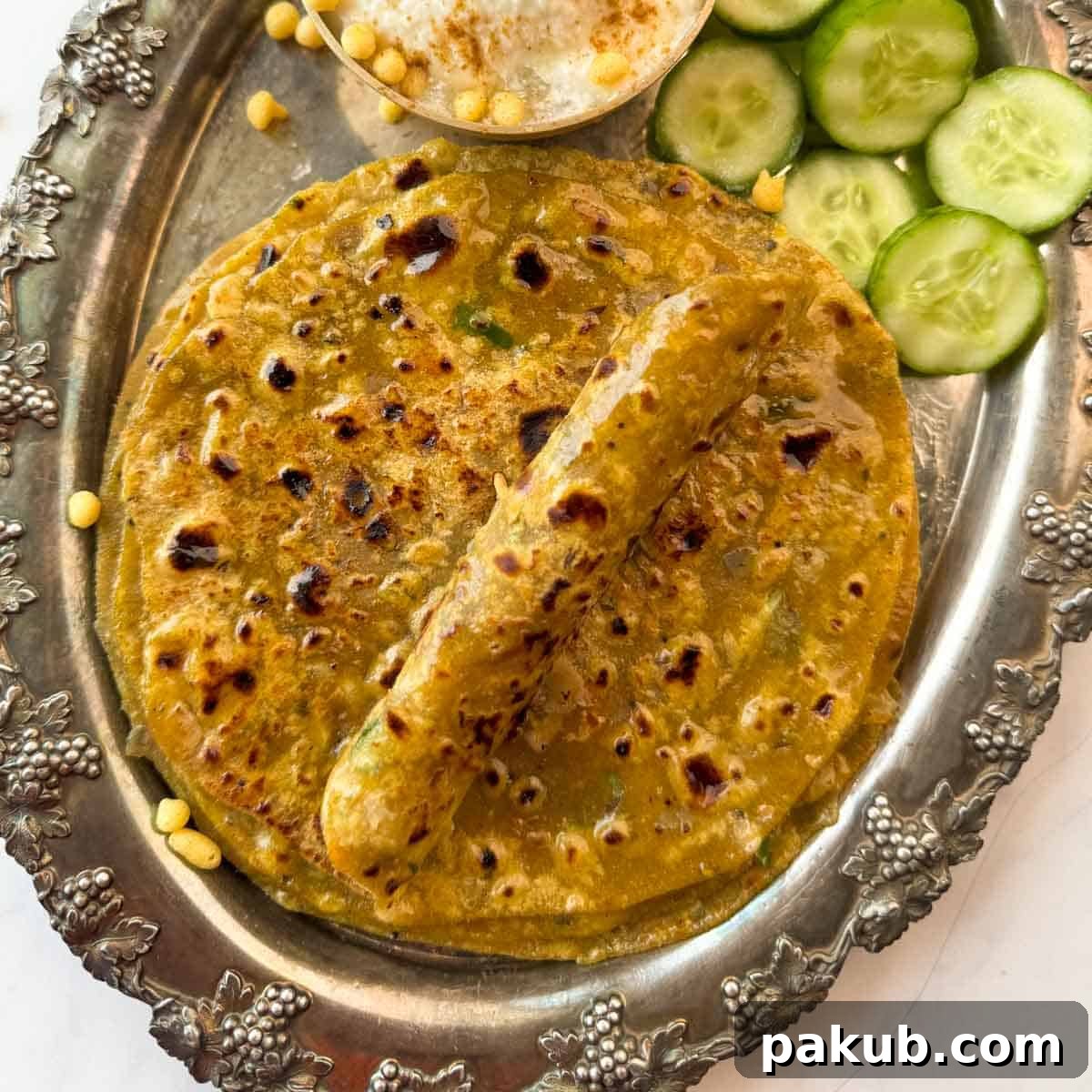
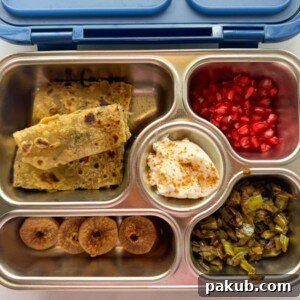
Dal paratha is an incredibly smart and delicious way to breathe new life into leftover dal, transforming it into a wholesome and appetizing meal. This innovative recipe is particularly fantastic for packing into lunchboxes, especially for children, offering a nutritious and satisfying option. As a weekly ritual in my home, these parathas are consistently met with enthusiasm from the entire family!
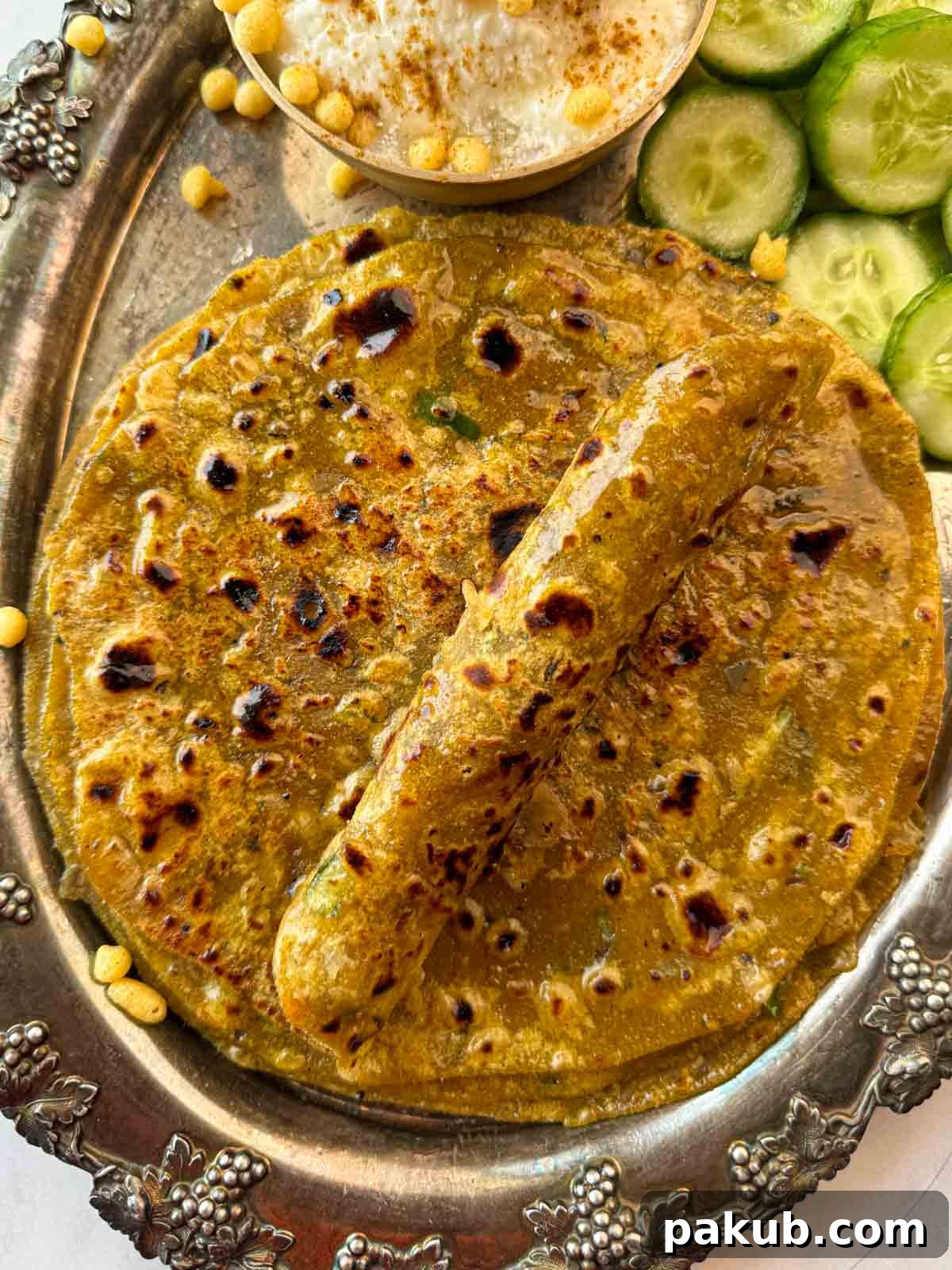
Looking for more creative ideas to utilize your leftovers? Explore my recipes for broccoli corn quesadillas, veg fried rice, and rainbow rice!
Chutney Dal Paratha: The Ultimate Leftover Transformation
In Indian households, dal is a culinary cornerstone, prepared almost daily. Consequently, finding a bowl of leftover dal chilling in the fridge is a common sight. While traditional dal roti or dal chawal (rice) are always comforting, sometimes you crave something a little different, something that excites the palate and offers a fresh perspective on a familiar ingredient.
Enter the Chutney Dal Paratha – a brilliant solution that transforms that cold, leftover dal into a wonderfully flavorful and remarkably nutritious flatbread. This recipe isn’t just about avoiding food waste; it’s about elevating a simple staple into a delightful dish that truly stands out. It’s a low-effort breakfast or lunch idea that delivers a powerful nutritional punch, making it perfect for busy mornings or as a wholesome addition to school or office tiffins.
The Secret Ingredient: Green Coriander Chutney
What makes these dal parathas truly special and elevates them beyond the ordinary is the addition of vibrant green coriander chutney directly into the dough. This isn’t just any chutney; it’s a burst of fresh, tangy, and subtly spicy flavors that infuse every bite of the paratha. My green coriander chutney recipe, with its aromatic blend of herbs and spices, is the secret weapon here. It adds depth, a beautiful green hue, and an irresistible zing that makes these parathas incredibly interesting and addictive.
Table of Contents: Chutney Dal Paratha
- Why Dal Paratha?
- Benefits of Chutney Dal Paratha
- Chutney Dal Paratha Ingredients Overview
- Expert Tips for Perfect Dal Parathas
- Serving Suggestions
- Customizing Your Dal Paratha
- Frequently Asked Questions
- The Full Chutney Dal Paratha Recipe
Key Benefits of Chutney Dal Paratha
Beyond being a delicious meal, Chutney Dal Parathas offer several practical advantages that make them a standout choice for any kitchen:
- Effortless Meal Prep: Make Ahead Magic
One of the biggest advantages of these parathas is their make-ahead convenience. You can prepare the dough the night before, allowing the flavors to meld and develop further overnight. This significantly cuts down on morning prep time, making it an ideal choice for busy weekdays when every minute counts. Wake up, roll out, and cook – it’s that simple to enjoy a fresh, warm breakfast.
- Incredible Versatility: A Perfect Accompaniment
Dal Parathas are incredibly versatile and pair beautifully with a wide array of accompaniments. Whether you prefer to dunk them in a steaming cup of chai, enjoy them with a tangy mango pickle (aachar), a spicy green chutney, or a cooling dollop of plain yogurt (curd), they complement almost anything. They also make an excellent side to your favorite Indian vegetable stir-fry (sabzi) or curry. Their neutral yet flavorful base allows them to adapt to any flavor profile you throw their way.
- Travel-Friendly & Lunchbox Approved
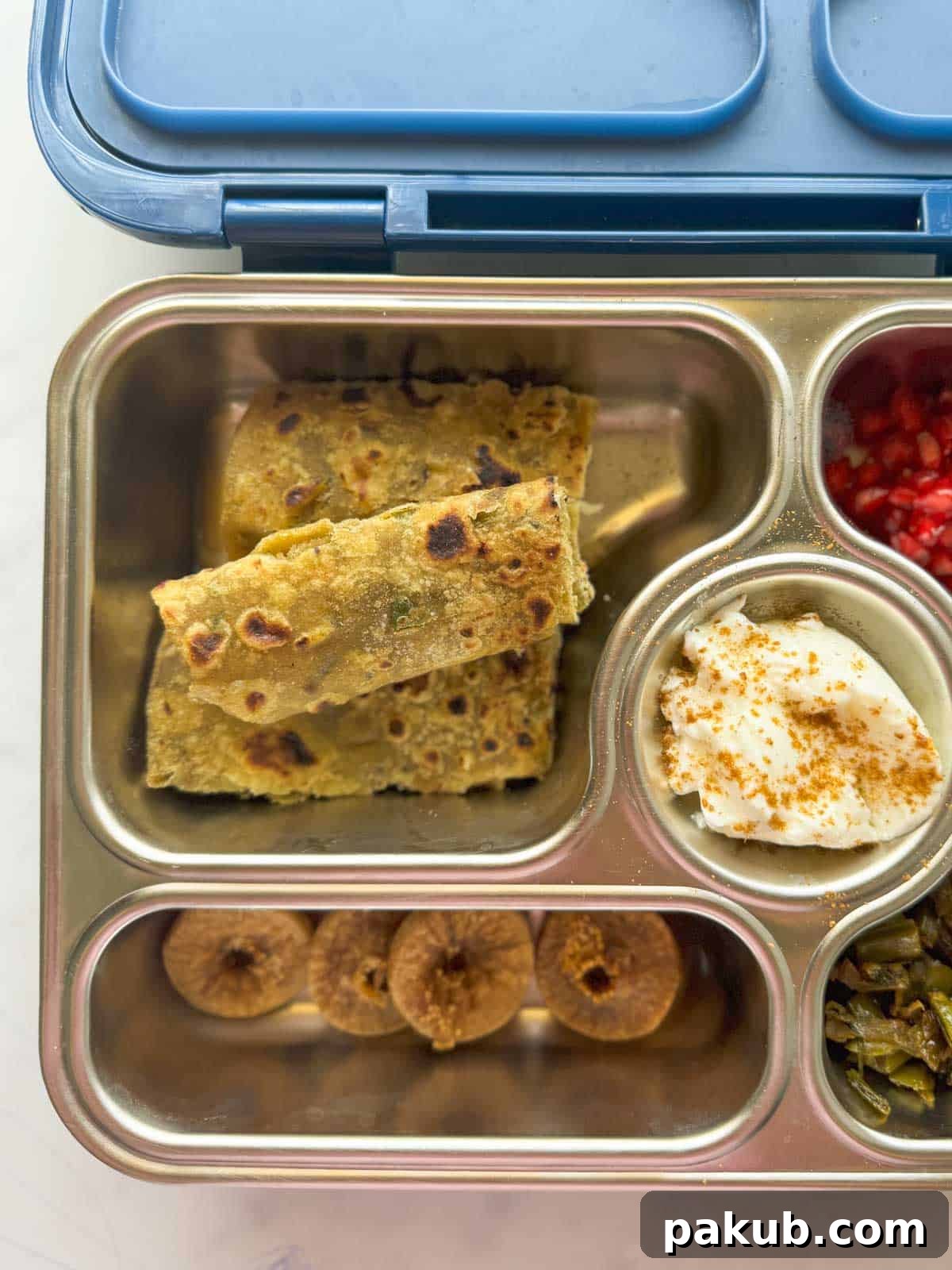
These parathas maintain their soft texture and delicious flavor even when cooled, making them an excellent choice for travel or packed lunches. They won’t dry out or become hard, ensuring that kids and adults alike can enjoy a wholesome and tasty meal on the go. Say goodbye to soggy sandwiches and hello to a nutritious, easy-to-pack alternative!
- Nutritional Powerhouse: Healthy & Wholesome
Packed with the goodness of lentils (dal) and whole wheat flour (atta), these parathas are a great source of protein, fiber, and essential nutrients. The addition of fresh vegetables like onions and coriander, along with ginger and garlic, further boosts their nutritional profile, providing a balanced and energizing meal.
- Sustainable Cooking: Reducing Food Waste
At its heart, this recipe champions sustainable cooking by giving a delicious purpose to leftover dal. Instead of discarding surplus food, you transform it into something new and exciting, contributing to a more mindful and economical kitchen. It’s a win-win for both your taste buds and the environment.
Chutney Dal Paratha Ingredients Overview
True to the spirit of many everyday Indian dishes, our Chutney Dal Paratha comes together with a selection of simple, readily available ingredients. The star, of course, is the cold, thick leftover dal. Alongside this, we use:
- Atta (Whole Wheat Flour): The foundation of any good paratha, atta provides structure and a hearty texture. It’s a healthier alternative to refined flour, rich in fiber.
- Aromatic Spices: A humble yet powerful trio of turmeric powder (for color and anti-inflammatory properties), green chilies (for a touch of heat, adjustable to your preference), and coriander powder (for its earthy, citrusy notes).
- Flavor Boosters: The essential ginger-garlic paste for a pungent depth, finely chopped onions for a sweet crunch, and fresh coriander leaves for vibrant freshness and aroma.
- The Signature Green Chutney: As discussed, this is what truly sets these parathas apart, infusing them with an unparalleled zest and unique flavor profile.
- Mustard Oil (or other cooking oil): Used in the dough for softness and flavor, and ghee for cooking the parathas to achieve that classic golden, crispy exterior.
These ingredients combine harmoniously to create parathas that are not only delicious but also deeply satisfying and wholesome.
Expert Tips for Perfect Dal Parathas
Achieving perfectly soft, flavorful, and beautifully cooked dal parathas is easier than you think with these expert tips:
- Dough Resting is Key: After kneading the dough, it’s crucial to let it rest for at least 10-15 minutes. This resting period allows the gluten in the whole wheat flour to relax, resulting in a softer, more pliable dough that is much easier to roll out. It also gives the flavors from the dal, spices, and chutney time to fully meld, enhancing the overall taste of your parathas. Don’t skip this step for the best texture!
- Adjust Spice Levels to Your Liking: While these parathas are generally mildly spicy, the heat can be easily customized. If you have a low tolerance for spice, reduce the amount of green chilies or omit them entirely. For those who love a fiery kick, feel free to add an extra chili or a pinch of red chili powder.
- Achieve the Right Dal Consistency: The success of your dal parathas heavily relies on the consistency of your leftover dal. It should be thick and not watery. If your dal is too thin, you might need to add a little extra flour to achieve the desired dough consistency. A thick dal ensures the parathas hold their shape and cook evenly.
- Kneading for Softness: Knead the dough until it is smooth and elastic. A well-kneaded dough translates to soft parathas. If the dough feels too sticky, add a little flour; if it’s too dry, add a tiny bit of water or more dal if available.
- Mastering the Roll: Use a light dusting of dry flour to prevent sticking while rolling. Roll the parathas evenly to a medium thickness. Too thin, and they might become crispy; too thick, and they might not cook through properly.
- Cooking Temperature Matters: Cook the parathas on a medium-hot tava (griddle or skillet). If the tava isn’t hot enough, the parathas will dry out; if it’s too hot, they will burn on the outside before cooking inside. Look for small bubbles forming on the surface before flipping.
- Generous Ghee Application: Don’t be shy with the ghee! Applying ghee (clarified butter) on both sides while cooking helps the parathas puff up, makes them wonderfully flavorful, and gives them a beautiful golden-brown, slightly crispy exterior. For a vegan option, use oil.
Serving Suggestions
Dal Parathas are incredibly versatile and can be enjoyed in numerous ways, making them perfect for any meal of the day:
- Classic Indian Accompaniments: Serve them warm with a side of cooling plain yogurt (dahi or curd), your favorite Indian pickle (aachar), or an extra dollop of fresh green chutney for an explosion of flavors.
- With Sabzi or Curry: They make a fantastic pairing with a variety of vegetable stir-fries (sabzi) or any light curry. The paratha acts as a perfect vehicle to scoop up the delicious gravies.
- Breakfast Delight: Enjoy them with a cup of hot, steaming chai for a comforting and hearty breakfast. The slight crunch of the paratha combined with the warmth of the tea is a delightful experience.
- Lunchbox Hero: Pack them for school or work lunches with a side of fruit, nuts, or a small salad. They stay soft and delicious even when cold.
- Quick Snack: Cut them into wedges and serve with ketchup or a sweet tamarind chutney for a quick and satisfying snack.
- Modern Twist: Use them as a base for wraps or quesadillas, filling them with cheese, vegetables, or even scrambled eggs for an East-meets-West fusion meal.
Customizing Your Dal Paratha
While the classic Chutney Dal Paratha is fantastic on its own, don’t hesitate to get creative and customize it to your taste or what you have on hand:
- Add More Vegetables: Finely grated carrots, spinach, fenugreek leaves (methi), or even finely chopped bell peppers can be incorporated into the dough for added nutrition and flavor. Ensure any added vegetables are finely chopped to allow for easy rolling.
- Spice It Up (or Down): Beyond green chilies, you can add a pinch of red chili powder for more heat, a dash of garam masala for warmth, or a tiny bit of dry mango powder (amchur) for extra tanginess.
- Herbal Notes: Experiment with other fresh herbs like mint or a mix of cilantro and mint for a different aromatic profile.
- Cheese Twist: For a kid-friendly version, you can sprinkle a little grated cheese into the paratha before folding and rolling, creating a delightful cheesy center.
- Different Dals: While the recipe works with many dals, different types will impart subtle variations in flavor and texture. Feel free to experiment with whatever leftover dal you have.
Frequently Asked Questions
This recipe is incredibly forgiving and works wonderfully with almost any variety of cooked dal you might have leftover. Popular choices include arhar/toor dal (split pigeon peas), urad dal (split black gram), masoor dal (red lentils), mixed dal, and moong dal (split yellow lentils). The key is to use a dal that isn’t too thin or watery. We’re looking for a thick-ish consistency, as excessive moisture can make the dough difficult to handle. While I haven’t personally tried making these parathas with chana dal (split chickpeas), rajma (kidney beans), or lobia (black-eyed peas), the principle might still apply if their consistency is thick enough. Experimentation is always encouraged!
Leftover cooked dal parathas can generally be stored at room temperature for up to a day, especially in cooler climates. However, this largely depends on the specific weather conditions and humidity where you live. To be on the safer side, or if you plan to store them for longer, I highly recommend refrigerating cooked parathas in an airtight container. When you’re ready to eat them, simply reheat them on a warm tava or skillet for a few minutes until they are soft and hot, regaining their fresh-off-the-griddle texture. For the best taste and freshness, making them as needed from stored dough is often preferred.
Absolutely! Preparing the dough in advance is one of my favorite time-saving hacks, especially for busy mornings. I often make the chutney dal paratha dough the previous night. Simply mix all the ingredients, knead into a smooth dough, and then transfer it to an airtight container. Store it in the refrigerator, and it will remain fresh and ready to use for 2-3 days. This advance preparation allows the flavors to meld beautifully, often resulting in even more flavorful parathas, and makes assembling a quick meal incredibly convenient.
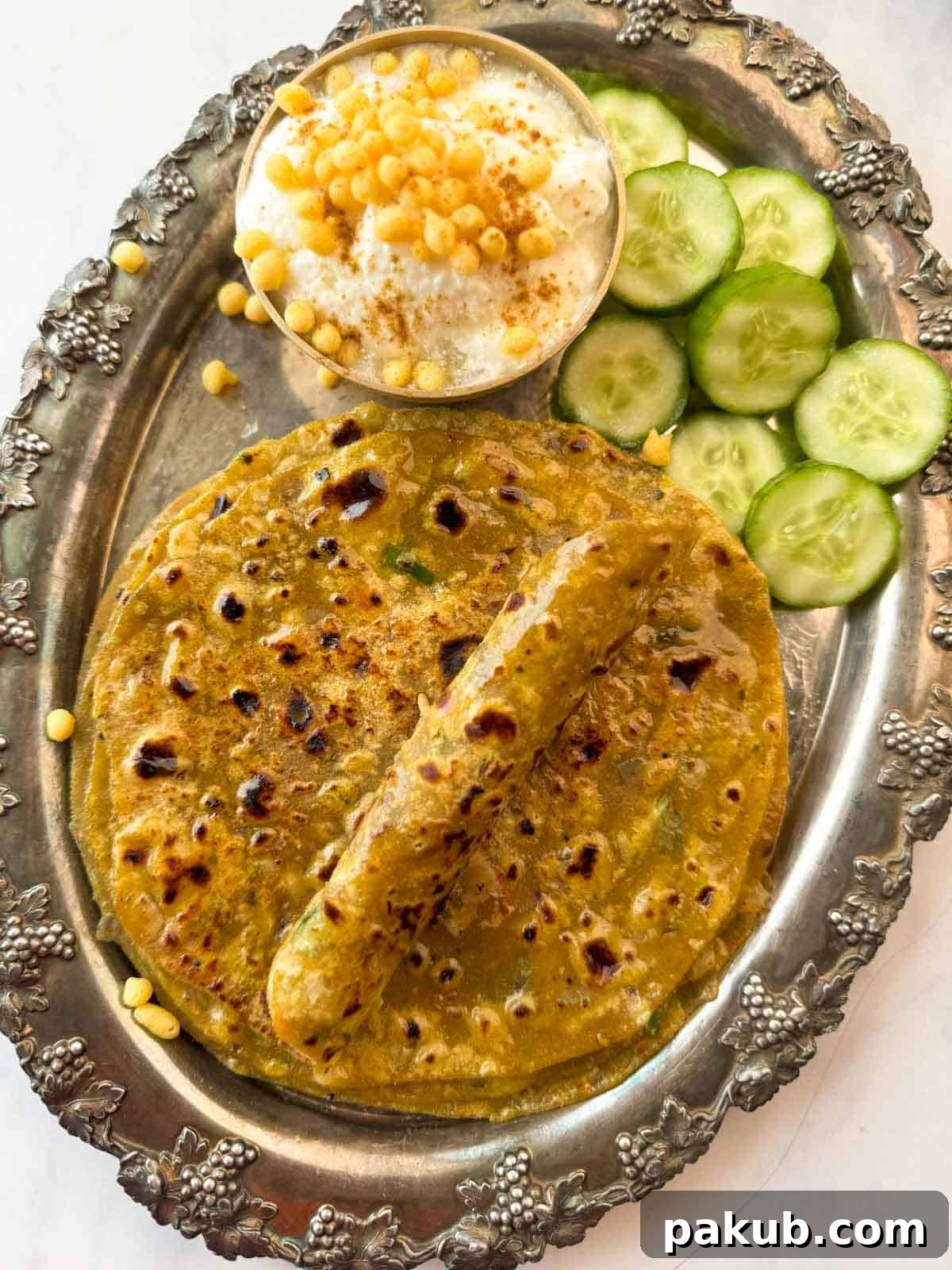
I genuinely believe that recipes which transform humble leftovers into culinary heroes are the true gems of any kitchen, and this Chutney Dal Paratha recipe does just that! Trust me, your taste buds, your family, and your efforts to minimize food waste will all thank you for giving this recipe a try.
If you embark on the journey of making these delightful dal parathas, I’d love to see your creations! Share your pictures over on my Instagram @my_foodstory and don’t forget to leave a comment telling me what you thought of these unique and flavorful flatbreads. Your feedback always inspires me!
For even more inspired ideas on how to brilliantly use up leftovers, be sure to check out my broccoli corn quesadillas, veg fried rice, and rainbow rice recipes!
Chutney Dal Paratha
Richa
20 minutes
20 minutes
40 minutes
15
Parathas
Rate Recipe
Print Recipe
Ingredients
- 1.5 cups thickish dal, cooked lentils, I generally use leftover dal from the previous day straight from the fridge
- 2 cups whole wheat flour, atta
- 1.5 tbsp ginger garlic paste
- ½ tsp turmeric powder
- 1 tbsp coriander powder
- 1 tsp salt, assuming dal also has salt so adjust accordingly
- 1.5 tbsp green chutney, link to recipe on the blog
- ½ cup finely chopped onions
- ¼ cup finely chopped coriander leaves
- 2 green chillies, finely chopped
- 2 tbsp mustard oil
- Ghee for cooking parathas
Instructions
-
In a large bowl, combine all the listed ingredients except the ghee. Knead them thoroughly to form a smooth, pliable dough. Once kneaded, cover the bowl with a clean cloth or lid and let it rest for 10-15 minutes. This resting period is crucial for a soft paratha texture.
-
To begin cooking the parathas, place a tava (flat griddle or skillet) on medium heat and allow it to get hot.
-
Take a small portion of the dough, about the size of a lime, and roll it into a smooth ball. Using a rolling pin and a light dusting of flour, roll the dough ball into a round paratha of medium thickness. Carefully place the rolled paratha onto the hot tava. Cook for about 30 seconds to a minute on one side until you start to see small bubbles forming on the surface. Flip the paratha, then spread about ½ teaspoon of ghee evenly over the cooked side. Flip it again and spread ghee on the other side. Continue cooking, flipping every 30-45 seconds, until both sides are golden brown with speckled spots and the paratha looks cooked through.
-
Repeat this process with the remaining dough until you have prepared as many parathas as needed. Any unused dough can be stored in an airtight container in the refrigerator for later use.
Notes
- Any unused dough can be refrigerated in an airtight container for up to 2 days.
- Cooked parathas generally stay fresh at room temperature for a day, but this can vary depending on your local weather conditions. For longer storage, or in warmer climates, I recommend refrigerating cooked parathas. Reheat them on a warm tava for a few minutes to restore their freshness and softness.
- I’ve successfully made these parathas with various kinds of cooked lentils including arhar/tur, masoor, mixed dal, and moong dal. However, I have not experimented with chana, rajma, or lobia. The key is a thick, non-watery dal consistency.
Nutrition
Calories:
77
kcal
,
Carbohydrates:
13
g
,
Protein:
2
g
,
Fat:
2
g
,
Saturated Fat:
0.3
g
,
Polyunsaturated Fat:
1
g
,
Monounsaturated Fat:
1
g
,
Sodium:
176
mg
,
Potassium:
73
mg
,
Fiber:
2
g
,
Sugar:
0.5
g
,
Vitamin A:
20
IU
,
Vitamin C:
1
mg
,
Calcium:
9
mg
,
Iron:
1
mg
Like this recipe? Rate and comment below!