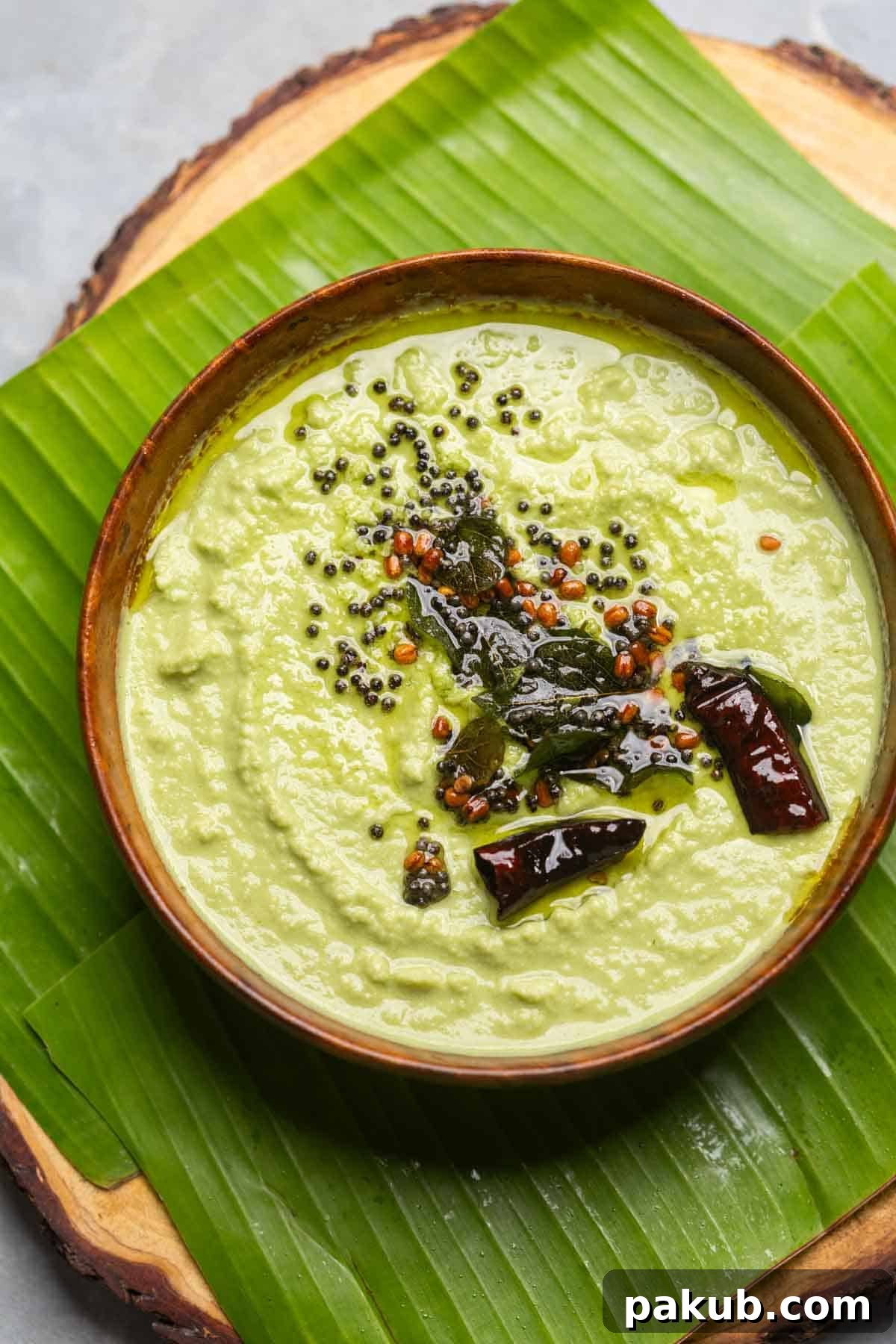
Unlock the true essence of South Indian cuisine with this authentic Coconut Chutney recipe. Quick, fresh, and bursting with vibrant flavors, it’s the simplest way to transform any meal into an unforgettable culinary experience, turning even a regular breakfast into a moment to savor.
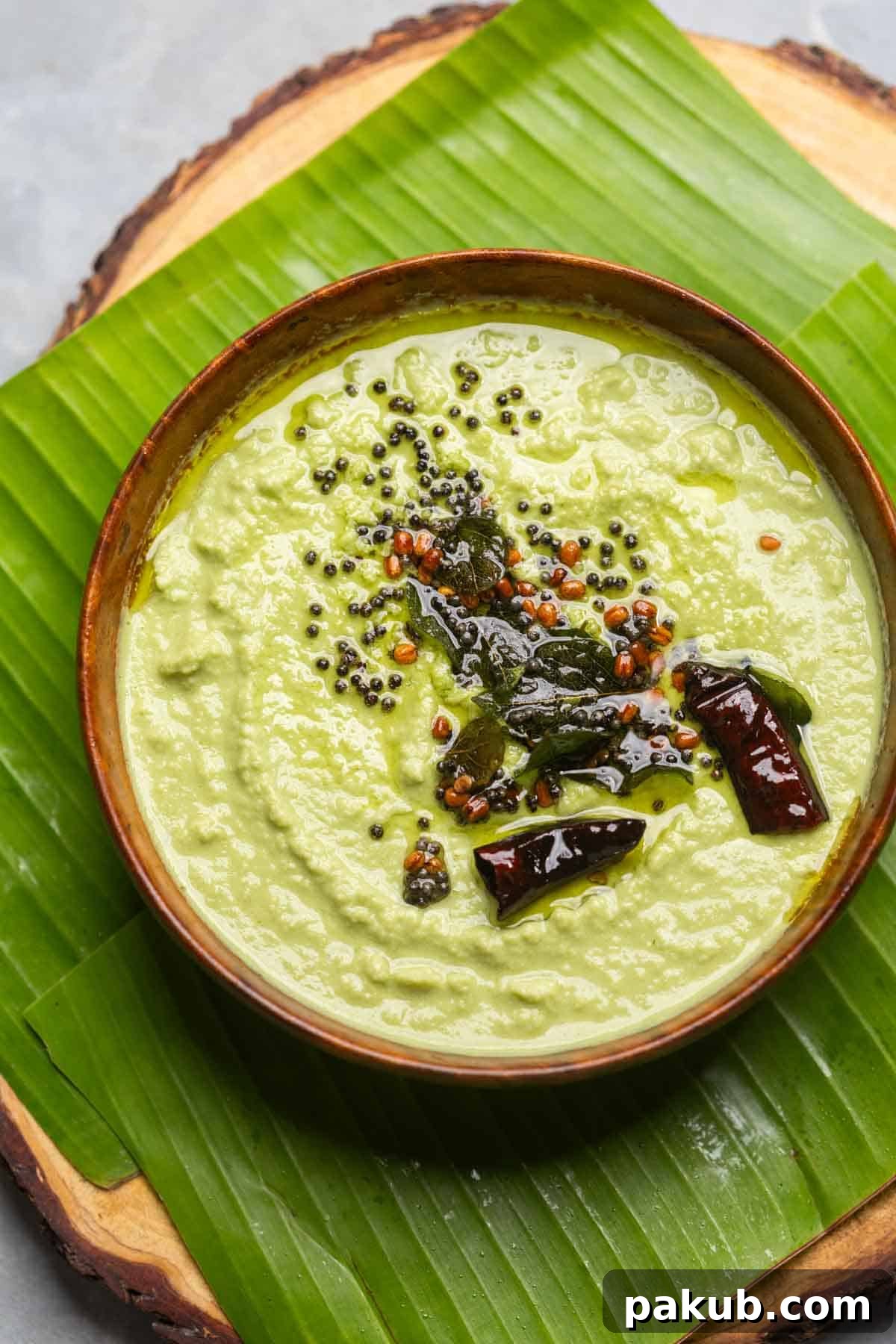
There’s an undeniable magic that fresh coconut chutney brings to a South Indian meal, instantly elevating it from simple fare to a delightful feast. It’s more than just a condiment; it’s a symphony of tastes and aromas that dance on your palate. Perhaps it’s the pristine, naturally sweet taste of fresh coconut that forms its creamy base, or the subtle yet invigorating warmth from a finely diced green chili. And who can forget that exhilarating moment when the hot, crackling mustard seed tempering hits the cool, velvety chutney, releasing an intoxicating aroma that fills the entire kitchen? This humble accompaniment is truly the soul of many classic dishes, offering a perfect balance to spicy, savory, and even sweet notes.
This particular version of coconut chutney is designed for both speed and flavor, requiring a mere five minutes of your time for a quick blend and a sizzling tempering. It’s wonderfully unfussy, meaning you don’t need a special occasion to whip up a batch. Whether it’s paired with a crispy masala dosa for a hearty brunch or simply spread on a piece of toast when you’re out of butter, its versatility knows no bounds. Once you experience its fresh, creamy, and mildly spicy goodness, you’ll find yourself eager to keep a jar of this delightful chutney readily available in your fridge.
Table of Contents: Coconut Chutney
- The Irresistible Allure of Coconut Chutney
- Key Ingredients for Perfect Coconut Chutney
- Expert Tips for Mastering Your Coconut Chutney
- Step-by-Step: How to Make the Best Coconut Chutney
- Frequently Asked Questions About Coconut Chutney
- Storage and Make-Ahead Tips for Coconut Chutney
- Creative Serving Suggestions for Coconut Chutney
- Customizing Your Coconut Chutney to Perfection
- Exciting Coconut Chutney Variations to Try
- The Fascinating History and Fun Facts About Coconut Chutney
- Watch Our Coconut Chutney Recipe Video
- The Ultimate Coconut Chutney Recipe Card
- Final Thoughts on Your Homemade Coconut Chutney
The Irresistible Allure of Coconut Chutney
Coconut chutney, a cornerstone of South Indian cuisine, offers a unique blend of freshness, creaminess, and a subtle spice that makes it an indispensable accompaniment. Its popularity stems from its ability to complement a wide array of dishes, from the crispy texture of dosas to the soft fluffiness of idlis and the hearty warmth of pongal. What makes this particular recipe stand out is its commitment to authenticity combined with remarkable ease of preparation. We’ve meticulously crafted a guide that ensures you achieve that perfect balance of flavors and textures, making it accessible even for novice cooks.
Unlike many other chutneys that rely on complex cooking techniques or rare ingredients, coconut chutney thrives on simplicity. The star ingredient, fresh coconut, provides a natural sweetness and rich body that serves as the perfect canvas for a melody of aromatics and spices. The magic truly unfolds with the tempering – a simple yet powerful technique that involves briefly frying spices in hot oil. This process awakens their essential oils, infusing the chutney with a deep, fragrant aroma that is utterly irresistible. This recipe is not just about making a condiment; it’s about recreating a culinary tradition in your own kitchen with minimal effort and maximum flavor.
Key Ingredients for Perfect Coconut Chutney
Creating an exceptional coconut chutney begins with selecting the right ingredients. Each component plays a vital role in building the layered flavors and achieving the ideal texture. Here’s a closer look at what you’ll need for both the chutney blend and the aromatic tempering:
For the Chutney Blend:
- Grated Coconut: The heart of our chutney. For the most vibrant and authentic flavor, always opt for freshly grated coconut. Its natural sweetness and moist texture are unparalleled. If fresh is unavailable, good quality frozen grated coconut can be used; just ensure it’s fully thawed to room temperature before blending to prevent the fat from separating and to ensure a smooth grind.
- Green Chili: Provides a gentle, clean heat that cuts through the richness of the coconut. You can easily adjust the quantity from one to two or even more, depending on your preferred spice level. For a milder chutney, deseed the chili or use a less potent variety.
- Ginger: A small piece of fresh ginger adds a bright, zesty freshness and a slight pungency that elevates the overall flavor profile. It prevents the chutney from tasting flat and adds an invigorating kick.
- Curry Leaves: These fragrant leaves are indispensable for that distinctive South Indian aroma. Even when blended into the chutney, they infuse a subtle, earthy, and slightly nutty fragrance that is uniquely satisfying.
- Coriander Leaves (Cilantro): Fresh coriander adds bright, herbaceous notes and a vibrant green color, beautifully balancing the richness of the coconut. It contributes a refreshing undertone that makes the chutney taste incredibly fresh.
- Roasted Bengal Gram (Chana Dal): This ingredient is a secret weapon for adding body, a slightly nutty depth, and helping to achieve a thicker, creamier consistency. It also acts as a natural binder, preventing the chutney from becoming too watery.
- Tamarind: A small amount of tamarind paste or pulp introduces a crucial tangy element. This tartness is essential for balancing the sweetness of the coconut and the heat of the chili, creating a well-rounded flavor profile.
- Salt: Essential for seasoning and enhancing all the other flavors. Add it gradually and taste as you go to achieve perfect seasoning.
- Warm Water: Crucial for grinding the chutney to a smooth, creamy paste. Using warm water helps in emulsifying the coconut fat, preventing separation and resulting in a silkier texture.
For the Tempering (Tadka):
- Vegetable Oil: A neutral-flavored oil like sunflower or canola oil is ideal for frying the spices without overpowering their delicate aromas.
- Mustard Seeds: The quintessential South Indian tempering ingredient. When heated, they pop and release a distinct, pungent aroma that is characteristic of many regional dishes.
- Urad Dal (Split Black Gram): Adds a delightful nutty crunch and a subtle earthy flavor to the tempering. Frying it until golden brown is key to releasing its best qualities.
- Curry Leaves: A second round of curry leaves in the tempering boosts the aromatic richness. When added to hot oil, they release an incredible fragrance that is the signature of South Indian cuisine.
Expert Tips for Mastering Your Coconut Chutney
While the basic steps for coconut chutney are straightforward, a few expert tips can transform a good chutney into an outstanding one. Pay attention to these details for consistently perfect results:
- Control the Heat: The spice level of your chutney is entirely customizable. Begin with one green chili for a mild flavor and add more, or even a tiny piece of dried red chili, if you prefer a fiery kick. Remember that chilies can vary in potency, so always taste a tiny bit before adding more.
- Tweak the Texture: The consistency of your chutney is a matter of personal preference. For a slightly coarse, rustic texture that adds a pleasant bite, grind for a shorter duration. If you prefer a silken, smooth, and creamy finish, blend longer until no visible coconut pieces remain. Add water gradually to achieve your desired consistency.
- Don’t Skip the Tempering (Tadka): The tempering is not merely a garnish; it’s an integral part of the South Indian chutney experience. The sizzle and pop of mustard seeds, the nutty fragrance of urad dal, and the aromatic burst of curry leaves are what truly define the chutney’s character and aroma. It adds layers of flavor and a crucial textural contrast.
- Serve It Fresh for Best Flavor: Coconut chutney, like many fresh condiments, tastes its absolute best within a few hours of preparation. The vibrant flavors and aromas are most pronounced when fresh. While it can be stored, plan to enjoy it soon after making.
- Avoid Too Much Water Initially: When grinding, be judicious with water. Add just enough warm water (as specified in the recipe, or a little more if needed) to help the blades move smoothly and create a paste. Adding too much water upfront can result in a watery, bland chutney that lacks body and flavor.
- Grind with Warm Water: This is a crucial trick! Using warm water instead of cold water when grinding the coconut helps prevent the natural coconut fat from separating and clumping. It aids in creating a perfectly smooth, emulsified, and creamy chutney that holds its texture beautifully.
- Taste and Adjust Seasoning: Always taste your chutney before serving. Adjust the salt, tang from tamarind, and heat from chilies to suit your palate. A balanced chutney should have a harmonious blend of sweet, spicy, and tangy notes.
Step-by-Step: How to Make the Best Coconut Chutney
Making this authentic South Indian coconut chutney is surprisingly simple and quick. Follow these clear steps to achieve a perfectly balanced and flavorful condiment:
Grinding the Chutney
- Prepare Ingredients: Gather all the ingredients listed under “For the Chutney Blend.” Ensure your grated coconut is thawed if using frozen, and ginger is roughly chopped.
- Combine in Blender: Place the grated coconut, green chillies (adjust quantity to your spice preference), roughly chopped ginger, curry leaves, coriander leaves, roasted Bengal gram (chana dal), tamarind paste, and salt into a high-speed blender or food processor.
- Add Warm Water: Pour in the specified amount of warm water (¼ cup + 2 tablespoons). The warm water is key to achieving a smooth, creamy texture and preventing the coconut fat from separating.
- Blend Until Smooth: Blend the mixture, starting on a low speed and gradually increasing to high. Scrape down the sides of the blender jar as needed. Continue blending until you achieve a smooth, creamy paste. You can adjust the consistency by adding a tiny splash more warm water if it’s too thick, but do so sparingly to avoid a watery chutney.
- Transfer to Bowl: Once the desired smooth consistency is reached, transfer the freshly ground chutney into a serving bowl.
Tempering (Tadka)
The tempering step adds a crucial layer of flavor and aroma, making the chutney truly authentic.
- Heat Oil: In a small pan or a tadka pan (a small, deep pan specifically for tempering), heat 1 teaspoon of vegetable oil over medium heat.
- Add Spices: Once the oil is hot (it should shimmer slightly), add the mustard seeds. Let them splutter and pop vigorously. This indicates they are properly cooked and releasing their flavor.
- Add Dal and Cumin: Immediately add the urad dal and cumin seeds. Sauté, stirring constantly, until the urad dal turns a light golden brown. Be careful not to burn them, as burnt spices can make the tempering bitter.
- Add Curry Leaves: Once the urad dal is golden, quickly add the fresh curry leaves. They will crackle and become fragrant almost instantly. Be mindful as they can splutter a bit.
- Pour Over Chutney: Immediately take the pan off the heat and pour the hot, aromatic tempering over the prepared coconut chutney in the serving bowl.
- Serve: Give it a gentle stir to combine the tempering with the chutney. Your delicious, fresh coconut chutney is now ready to be served and enjoyed!
Frequently Asked Questions About Coconut Chutney
Absolutely! While fresh coconut offers the best flavor, good quality frozen grated coconut is a perfectly acceptable substitute. The key is to thaw it completely to room temperature before blending. This helps it grind smoothly and prevents the coconut fat from separating, ensuring a creamy consistency. You might also want to add a splash of warm water during blending to help restore its natural softness.
The ideal consistency for coconut chutney is largely a matter of personal preference and how you plan to serve it. Some people prefer it thick and scoopable, perfect for pairing with idlis or scooping with a dosa. Others like it a bit looser, ideal for dipping or as a spread. The best approach is to add water slowly, a tablespoon at a time, while you are grinding, until you achieve your desired texture. This allows you maximum control over the final consistency.
Roasted chana dal (Bengal gram) is excellent for body and a nutty flavor, but if you’re out, there are several good alternatives. You can try adding a handful of roasted peanuts or cashews for a similar nutty richness and binding effect. A small piece of plain bread can also work as a binder to thicken the chutney. Each substitute will impart a slightly different nuance to the flavor, but they will all help achieve a good consistency in a pinch.
Coconut chutney is definitely best enjoyed fresh, ideally within a few hours of making. However, you can store it in an airtight container in the refrigerator for up to 2–3 days. Beyond that, its freshness and flavor diminish significantly, and it may start to spoil due to the fresh coconut content. Always give it a good stir before serving after refrigeration to restore its consistency.
Yes, coconut chutney can be a very healthy addition to your diet. Fresh coconut provides healthy fats, fiber, and essential minerals. The other ingredients like ginger, curry leaves, and coriander leaves are packed with antioxidants and have various health benefits. It’s naturally vegan and gluten-free. As with any food, moderation is key, especially if you’re mindful of calorie intake due to the coconut fat.
While the tempering adds significant flavor and aroma, you can technically omit the oil for a lighter version. However, the tempering spices won’t bloom as effectively, and you’ll miss the characteristic crackle and fragrance. If you want to reduce oil, you can use a minimal amount (half a teaspoon) or dry roast the mustard seeds and curry leaves lightly before adding them directly to the chutney for some flavor, though it won’t be the same as a traditional oil tempering.
Storage and Make-Ahead Tips for Coconut Chutney
While coconut chutney shines brightest when freshly made, proper storage can extend its life and allow for convenient meal planning. Here’s how to store it effectively:
- Refrigeration: For short-term storage, transfer your freshly made coconut chutney to an airtight container immediately after preparation. Store it in the refrigerator for up to 2–3 days. Before serving, give it a good stir and, if necessary, add a tablespoon or two of warm water to adjust the consistency back to your liking, as it tends to thicken in the cold.
- Freezing for Longer Storage: For extended storage, freezing is an excellent option. Portion the chutney into small airtight containers or even ice cube trays. Once frozen solid, you can transfer the chutney cubes into a freezer-safe bag. It can be stored in the freezer for up to 2-3 weeks. Thaw frozen chutney in the refrigerator overnight or on the counter for a few hours. Stir well and adjust consistency with warm water before serving.
- Make-Ahead Strategy: To ensure the freshest taste, you can prepare the base of the chutney (grind all ingredients except the water, keeping it very thick) and store it in an airtight container in the fridge for up to 2 days. When you’re ready to serve, thin it out with warm water to your desired consistency and then prepare and add the fresh tempering. This method significantly preserves the vibrancy of the flavors.
- Avoid Metal Containers: It’s generally best to avoid storing coconut-based chutneys in metal containers, especially for longer periods, as coconut can sometimes react with certain metals and alter the taste. Opt for glass jars or food-grade plastic containers.
- Prevent Contamination: Always use a clean, dry spoon when scooping chutney to prevent the introduction of bacteria, which can accelerate spoilage.
Creative Serving Suggestions for Coconut Chutney
Coconut chutney has a remarkable ability to brighten and enhance almost any dish it accompanies. While it’s a staple for traditional South Indian breakfasts, its versatility extends far beyond. You’ll soon discover yourself reaching for that jar in the fridge for many different culinary applications:
- With Hot Dosas: The classic pairing! The crispiness of fresh-off-the-pan dosas finds its perfect match in the cool, creamy chutney.
- Next to Fluffy Idlis: Soft, steamed idlis are an ideal vehicle for soaking up all the creamy, tangy, and subtly spicy goodness of the chutney.
- Alongside Crispy Medu Vadas: Dunk those golden, savory, and crispy vadas straight into the chutney for an irresistible bite.
- Spread on Uttapam: Before folding your soft, savory uttapam, smear a generous layer of chutney on top for an extra burst of flavor and moisture.
- Beside Tangy Lemon Rice: The cooling and creamy texture of the chutney provides a beautiful contrast to the tangy, spiced notes of lemon rice.
- With Comforting Pongal: Adds a fresh, vibrant counterpoint to the warm, comforting, and often mildly spiced pongal dish.
- Alongside Simple Upma: Transforms a humble and quick breakfast upma into a more flavorful and special meal.
- As a Dip for Snacks: A fantastic dip for various Indian fried snacks like pakoras, bhajiyas, or even healthier options like air-fried vegetable fritters or sweet potato fries.
- With Sandwiches or Wraps: Use it as a vibrant spread in vegetarian sandwiches or wraps for a unique flavor boost.
- Mixed with Rice: A spoonful mixed into plain rice with a dollop of ghee can create a quick, satisfying mini-meal.
Customizing Your Coconut Chutney to Perfection
One of the beauties of coconut chutney is its adaptability. It’s a versatile base that welcomes various modifications, allowing you to tailor it to your personal taste preferences or what you have on hand. Here are some ideas to customize your next batch:
- Make it Nutty and Richer: For an even creamier, richer texture and an enhanced nutty flavor, blend in a few roasted cashews, peanuts, or even a tablespoon of white sesame seeds along with the coconut.
- Skip the Tempering (for a Lighter Version): If you’re in a hurry or prefer a lighter, milder profile, you can serve the chutney without the tempering. It will still be delicious and incredibly fresh-tasting, focusing more on the core coconut and herb flavors.
- Boost the Tang: If you love a chutney with a more pronounced tartness, feel free to add a bit more tamarind paste. Alternatively, a squeeze of fresh lemon or lime juice at the end can provide a sharp, refreshing lift.
- Herb it Up: Experiment with different fresh herbs. While coriander is standard, adding a handful of fresh mint leaves will give it a wonderfully refreshing and herbal twist, perfect for warmer days.
- Play with Texture: As mentioned, you can control the texture during grinding. Grind coarsely for a rustic, slightly chunky chutney that offers more mouthfeel, or blend until it’s silky smooth for a refined, almost sauce-like finish.
- Go Roasted (for Depth): For a deeper, warmer, and more intensely nutty flavor, lightly toast the grated coconut in a dry pan for a few minutes until fragrant and very lightly browned before blending. This adds an extra dimension of taste.
- Add a Touch of Sweetness: While coconut is naturally sweet, a tiny pinch of jaggery or sugar can enhance the overall balance, especially if your tamarind is very tart or your chilies are particularly hot.
Exciting Coconut Chutney Variations to Try
Beyond the classic recipe, coconut chutney lends itself beautifully to various regional and creative interpretations. These variations offer distinct flavor profiles and colors, allowing you to explore the breadth of South Indian culinary traditions:
- Onion Coconut Chutney: Incorporating sautéed onions into the blend adds a subtle sweetness, a deeper savory note, and an earthy depth. The onions make the chutney richer and more robust, perfect for those who enjoy a fuller-bodied condiment.
- Tomato Coconut Chutney: Blending in juicy, ripe tomatoes introduces a vibrant tang and a wonderful freshness. This variation often has a slightly reddish hue and a brighter, fruitier flavor that beautifully complements the creamy coconut.
- Tamarind Coconut Chutney: For those who crave an extra layer of sourness, this variation emphasizes tamarind. The increased tartness cuts through the creaminess of the coconut with a bold, refreshing punch, making it particularly invigorating.
- Coriander Coconut Chutney (Green Chutney): By increasing the amount of fresh coriander leaves and sometimes adding a little mint, this variation boasts a vivid green color and a strong, garden-fresh herbal aroma. It’s incredibly refreshing and bright.
- Red Coconut Chutney: This fiery variation typically features dried red chilies, which are often roasted or soaked before blending. The red chilies not only lend a striking reddish color but also impart a smoky heat and a more intense spiciness, offering a bolder flavor profile.
- Garlic Coconut Chutney: Adding a few cloves of fresh garlic to the blend introduces a pungent, aromatic kick. This variation is particularly popular in coastal regions and pairs wonderfully with seafood dishes.
- Peanut Coconut Chutney: Incorporating roasted peanuts alongside the coconut creates a much thicker, nuttier, and more substantial chutney, ideal for those who prefer a hearty condiment with an earthy undertone.
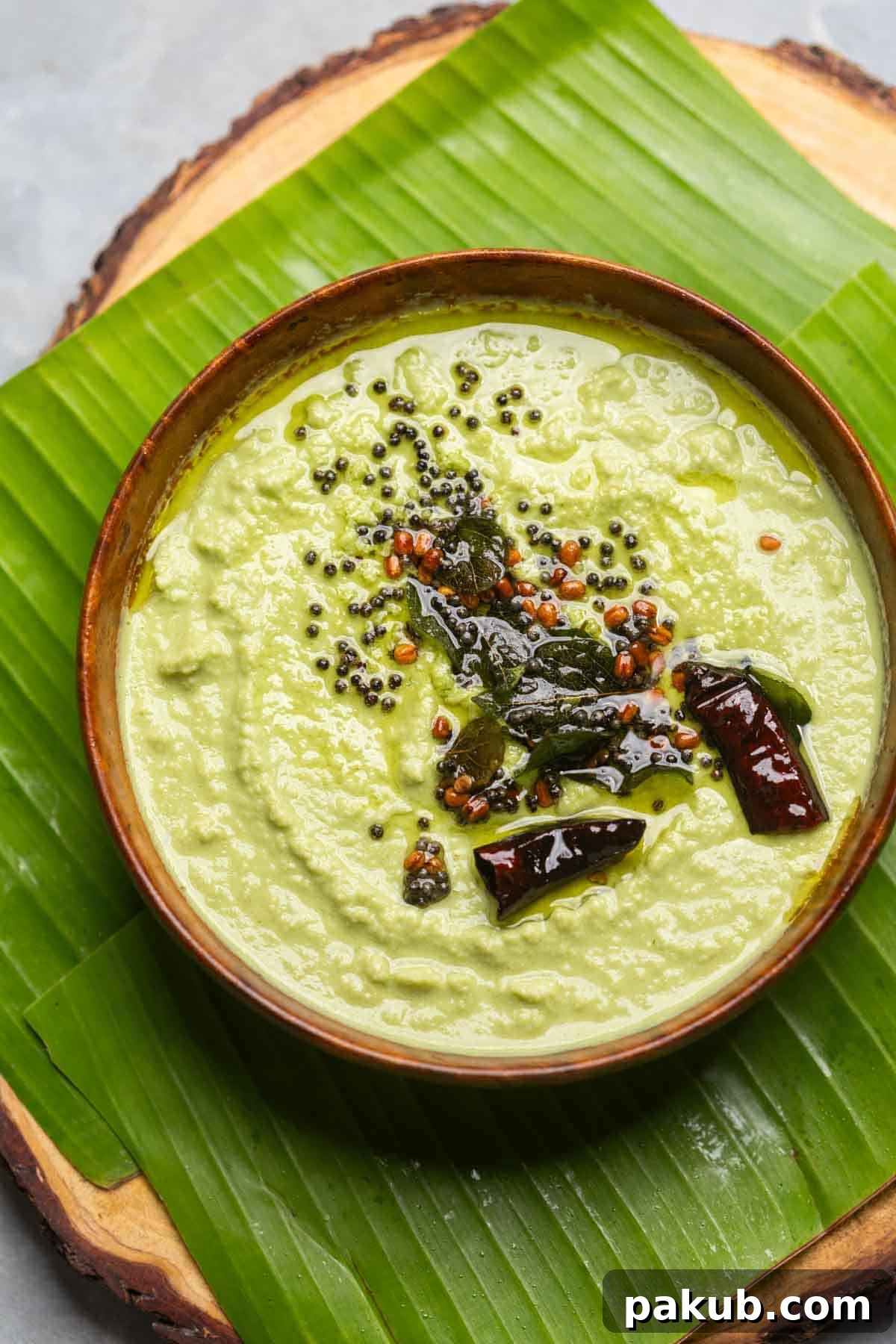
The Fascinating History and Fun Facts About Coconut Chutney
Coconut chutney, a seemingly simple condiment, carries a rich history intertwined with the culinary landscape of South India. While it’s a breakfast staple today, its roots extend far beyond the morning table. In the ancient coastal regions of India, where coconuts were abundant, freshly grated coconut was historically used to temper the intensity of fiery curries and to bring balance to heavily spiced rice dishes. The versatility of coconut made it a natural choice for creating flavorful accompaniments.
The very word “chutney” itself comes from the Hindi word chatni, which delightfully translates to “to lick” or “to taste with relish.” This perfectly encapsulates the experience of enjoying these flavorful concoctions, especially this coconut variant. It’s meant to be savored, spoonful by spoonful, enhancing every bite of your meal. And here’s a smart kitchen fact: the addition of roasted chana dal (Bengal gram) in many chutney recipes isn’t just for texture and flavor. Historically, it also served a practical purpose. Chana dal helps bind the chutney and, due to its properties, subtly contributes to keeping the chutney from spoiling too quickly, especially vital in the warm climates where it originated.
This culinary tradition, passed down through generations, highlights how ingenuity and local ingredients combine to create dishes that are both delicious and culturally significant.
At its heart, coconut chutney is one of those wonderfully quick, fresh, and instant recipes that possesses the power to make everything on your plate taste undeniably better. With just a few basic ingredients, a swift blitz in the blender, and the captivating sizzle of a perfectly executed tempering, you create something truly special—a condiment you’ll find yourself returning to again and again.
Have you tried making this irresistible coconut chutney recipe? We’d absolutely love to see your creations! Share your culinary adventures on Instagram and tag us @my_foodstory. Whether you’re pairing it with wonderfully fluffy idlis, perfectly crispy dosas, or embarking on an entirely unique serving idea of your own, we can’t wait to see how you enjoy it!
Watch Our Coconut Chutney Recipe Video
The Ultimate Coconut Chutney Recipe Card
Authentic Coconut Chutney
By: Richa
This quick, fresh, and incredibly easy Coconut Chutney recipe is the ultimate way to elevate any meal into a South Indian feast, making even a regular breakfast a moment to savor.
Prep Time: 5 mins
Cook Time: 5 mins
Total Time: 10 mins
Servings: 4 persons
Ingredients
For the Chutney Blend
- 1 cup grated coconut (fresh for best flavor, or thawed frozen)
- 1-2 green chillies (adjust to taste)
- ½ inch ginger, roughly chopped
- 10 curry leaves
- 2 tablespoons fresh coriander leaves
- 2 teaspoons tamarind paste
- ½ teaspoon salt
- ¼ cup + 2 tablespoons warm water
For the Tempering
- 1 teaspoon vegetable oil
- ½ teaspoon mustard seeds (rai)
- ¼ teaspoon cumin seeds (jeera)
- ½ teaspoon urad dal
- 15 fresh curry leaves
Instructions
Grinding the Chutney
- Add all ingredients listed under “For the Chutney Blend” (grated coconut, green chillies, ginger, curry leaves, coriander leaves, tamarind paste, salt, and warm water) to a blender.
- Blend until a smooth, creamy paste forms. Scrape down the sides if necessary. Adjust consistency with a little more warm water if desired, but add sparingly.
- Transfer the ground chutney to a serving bowl.
Tempering (Tadka)
- Heat 1 teaspoon of oil in a small pan or tadka pan over medium heat.
- Add mustard seeds and allow them to splutter.
- Next, add cumin seeds and urad dal. Sauté until the urad dal turns a light golden brown.
- Add the curry leaves and let them crackle for a few seconds.
- Immediately pour the hot tempering over the chutney in the serving bowl. Stir gently to combine.
- Serve fresh with your favorite South Indian dishes.
Notes
- For the best flavor and texture, always use fresh coconut. If using frozen, ensure it is completely thawed to room temperature before blending to prevent fat separation.
- Using warm water when grinding is crucial for achieving a smooth, creamy texture and helps emulsify the coconut fat effectively.
- After grinding, you can easily adjust the chutney’s consistency by adding a small amount of warm water, spoon by spoon, until it meets your preference.
- Coconut chutney is most delicious when consumed fresh, ideally within a few hours of preparation.
Nutrition (per serving)
- Calories: 169 kcal
- Carbohydrates: 9g
- Protein: 2g
- Fat: 15g
- Saturated Fat: 12g
- Fiber: 4g
- Sugar: 3g
- Sodium: 338mg
Nutritional information is an estimate and may vary based on specific ingredients and preparation methods.
Final Thoughts on Your Homemade Coconut Chutney
This article was researched and written by Harita Odedra.