
Unlock the secrets to crafting the most AMAZING Mutton Biryani right in your own kitchen. This ultimate guide will walk you through perfecting the simple 3-ingredient mutton marinade, preparing a rich and aromatic mutton masala, and mastering the intricate art of biryani layering. With this easy-to-follow mutton biryani recipe, a spectacular biryani feast is achievable any day of the year!

There’s an undeniable magic surrounding Mutton Biryani, a dish revered across South Asia for its rich flavors and tantalizing aroma. It’s the kind of meal that brings families together, a centerpiece for celebrations, and a culinary masterpiece that evokes a sense of tradition and comfort. Many of us eagerly anticipate that special annual feast, perhaps during Ramzan, where we gladly fast all morning, just to savor generous heaps of this delightful mutton biryani. It’s more than just food; it’s an experience, a memory in the making.
The Mutton Biryani prepared in Muslim households possesses a signature taste that many aspire to replicate. The rice is consistently fragrant and aromatic, each grain separate and infused with spices, while the meat is incredibly tender, juicy, and bursting with flavor. The masala strikes a perfect balance, subtly tantalizing your taste buds without being overly spicy or overpowering the delicate notes of the meat and rice. This exquisite balance is what truly sets it apart.
And when this magnificent biryani is paired with cooling Raita and a tangy, spicy Mirchi Ka Salan, the combination elevates the dining experience to sheer food heaven. This classic trio creates a symphony of textures and tastes that is hard to forget.
Creating biryani from scratch at home might seem daunting, given the numerous technicalities and steps involved. However, with the right guidance and a little patience, it becomes an incredibly rewarding endeavor. We embarked on multiple trials and adjustments for this recipe, meticulously refining each step until we achieved the exact flavor profile we desired – one that truly captures the authentic essence of traditional Mutton Biryani. Our previous Chicken Biryani recipe received immense love for its spot-on flavors and simplified process, and we are confident this Mutton Biryani recipe will earn a similar place in your heart.
Planning on making Biryani? Ensure flawless results by checking out these 19 Essential Tips to Make the Best Biryani Ever!
Mastering Mutton Biryani: A Step-by-Step Guide
To demystify the process of preparing authentic Mutton Biryani, we’ve carefully broken down the entire journey into manageable, distinct phases. This systematic approach ensures that you have every component perfectly prepared and ready before you begin the exciting stage of layering, leading to a truly harmonious and flavorful dish.
- **Marinate the Mutton:** Begin by tenderizing and infusing the mutton with flavor. For this recipe, a quick yet effective 20-30 minute marinade is all you need.
- **Prepare the Rice:** While the mutton masala is simmering, meticulously wash and soak your premium basmati rice. This crucial step is key to achieving perfectly fluffy grains.
- **Cook the Mutton Masala:** Utilize a pressure cooker for this step. It’s the most efficient and fastest way to ensure your mutton or goat meat becomes incredibly tender and absorbs all the rich flavors of the masala.
- **Par-boil the Basmati Rice:** Cook the rice to approximately 70% doneness. This ensures it finishes cooking perfectly during the layering process, absorbing the biryani’s aromatic spices without becoming mushy.
- **Layer and Dum Cook:** Carefully arrange alternating layers of the fragrant mutton masala and the par-boiled rice in a heavy-bottomed pot. Then, cook on a very low flame until the mutton is fork-tender and the rice grains are perfectly cooked and infused.
- **Garnish and Serve:** Once cooked and rested, garnish your magnificent biryani generously and serve it hot.
Selecting the Best Rice for an Authentic Mutton Biryani
The choice of rice is paramount to a truly exceptional biryani. With countless varieties available, it can be a bit overwhelming, but for a Mutton Biryani of this caliber, I consistently advocate for **aged basmati rice**. Unlike generic ‘long grain rice’ that lacks character, basmati rice is renowned for its natural fragrance and the deep, rich aroma it imparts to the biryani. Its slender grains elongate beautifully upon cooking, contributing to the distinct texture of this dish.
In this recipe, the rice undergoes a critical par-cooking stage before it’s layered and steamed with the mutton masala. This technique, known as ‘dum’ cooking, allows the rice to absorb the exquisite flavors and aromas from the meat and spices, ensuring every bite is a delightful experience.
Here’s how to perfectly prepare your basmati rice for layering:
- **Thoroughly Wash:** Begin by washing the basmati rice at least three times. This meticulous washing process is essential to remove excess starch and any impurities, which prevents the rice from clumping and ensures separate, fluffy grains.
- **Strategic Soaking:** After washing, soak the rice in water for a minimum of half an hour. Soaking significantly reduces cooking time and helps the grains cook evenly, preventing breakage.
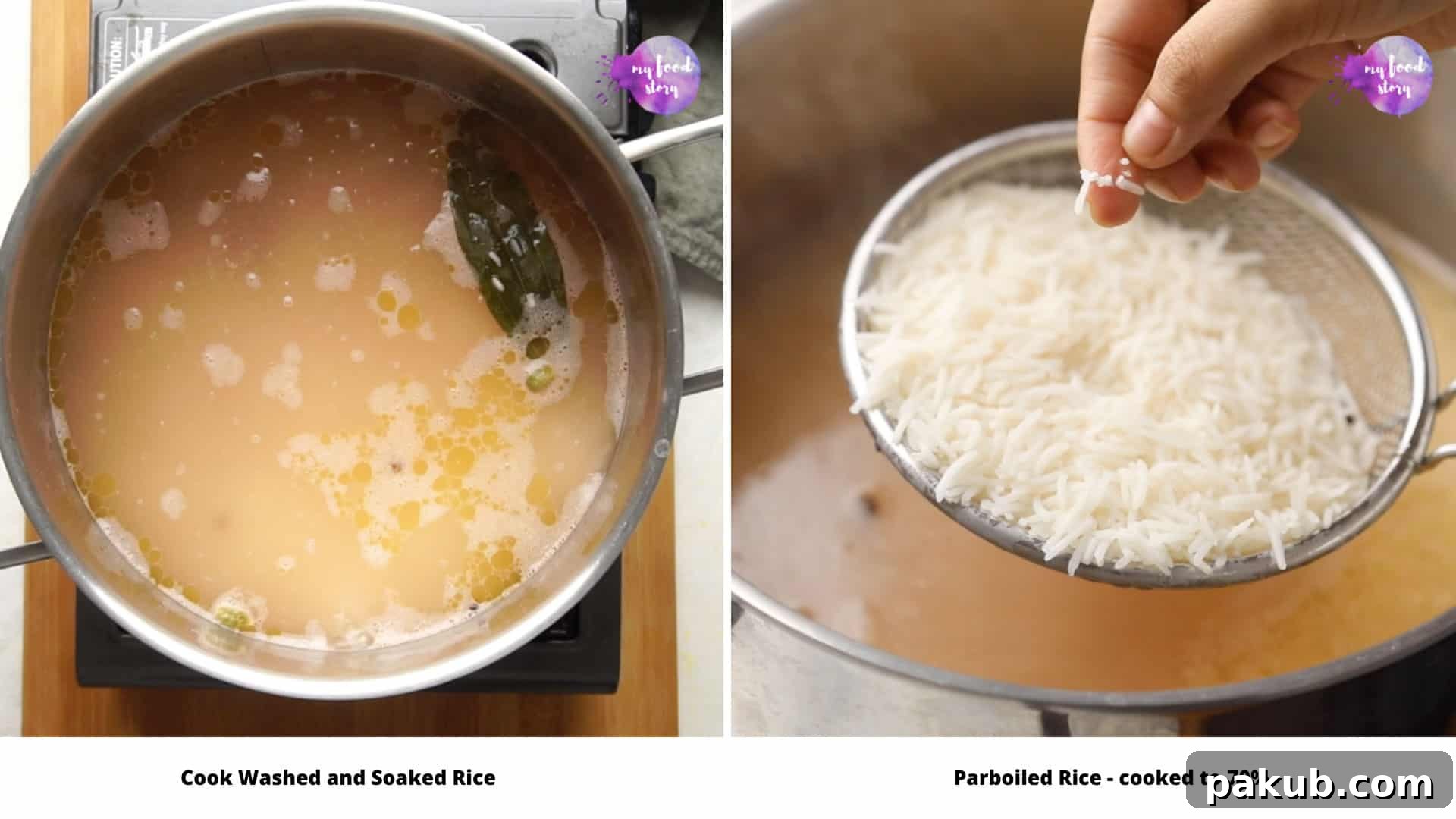
- **Precision Par-Cooking:** The rice destined for biryani should always be par-cooked to approximately 70% doneness. The remaining 30% of the cooking process occurs within the pot, nestled amongst the layers of mutton and masala. This method allows the rice to fully absorb the rich aromas and flavors. Overcooking the rice beforehand will result in a mushy, undesirable texture.
- **Timing is Key:** It is advisable to prepare the par-boiled rice only after your mutton masala is cooked and ready. The rice should be steaming hot when it’s layered with the warm mutton masala, facilitating optimal flavor infusion during the dum cooking process.
For a more comprehensive guide, explore my detailed post on How To Cook Basmati Rice perfectly.
The Ideal Mutton Cut for a Succulent Biryani
For an exquisitely tender and flavorful Mutton Biryani, the choice of meat cut is paramount. I highly recommend using the **shoulder cut** for this recipe. Shoulder meat contains a balanced amount of fat, which renders beautifully during the cooking process, keeping the meat incredibly moist and tender. It’s best to cut the meat into 1.5 to 2-inch pieces, ensuring they cook evenly and can be easily incorporated into the biryani layers.
Crucially, opt for **bone-in pieces**. The presence of bones significantly contributes to the depth of flavor in the biryani, releasing marrow and collagen that enrich the gravy and keep the meat juicier. This recipe is versatile and can be prepared with either goat meat or lamb, both yielding delicious results when the right cut is chosen.
The Simple Yet Effective Mutton Marinade
The foundation of tender, flavorful mutton begins with a simple yet powerful marinade. This particular marinade consists of just three key ingredients: fresh yogurt, a pinch of turmeric powder, and salt. Its primary role is not to overpower the mutton with complex flavors, but rather to act as an effective tenderizer, breaking down the meat fibers for a melt-in-your-mouth texture. It also provides a foundational layer of seasoning that complements the subsequent masala.
Before introducing the mutton to the marinade, ensure the washed meat pieces are thoroughly patted dry. This allows the marinade to adhere better and penetrate more effectively. In this recipe, a quick marination of just 20-30 minutes is surprisingly sufficient, as the pressure cooking process further tenderizes the meat, allowing the flavors to meld beautifully.
Crafting the Aromatic Homemade Mutton Masala
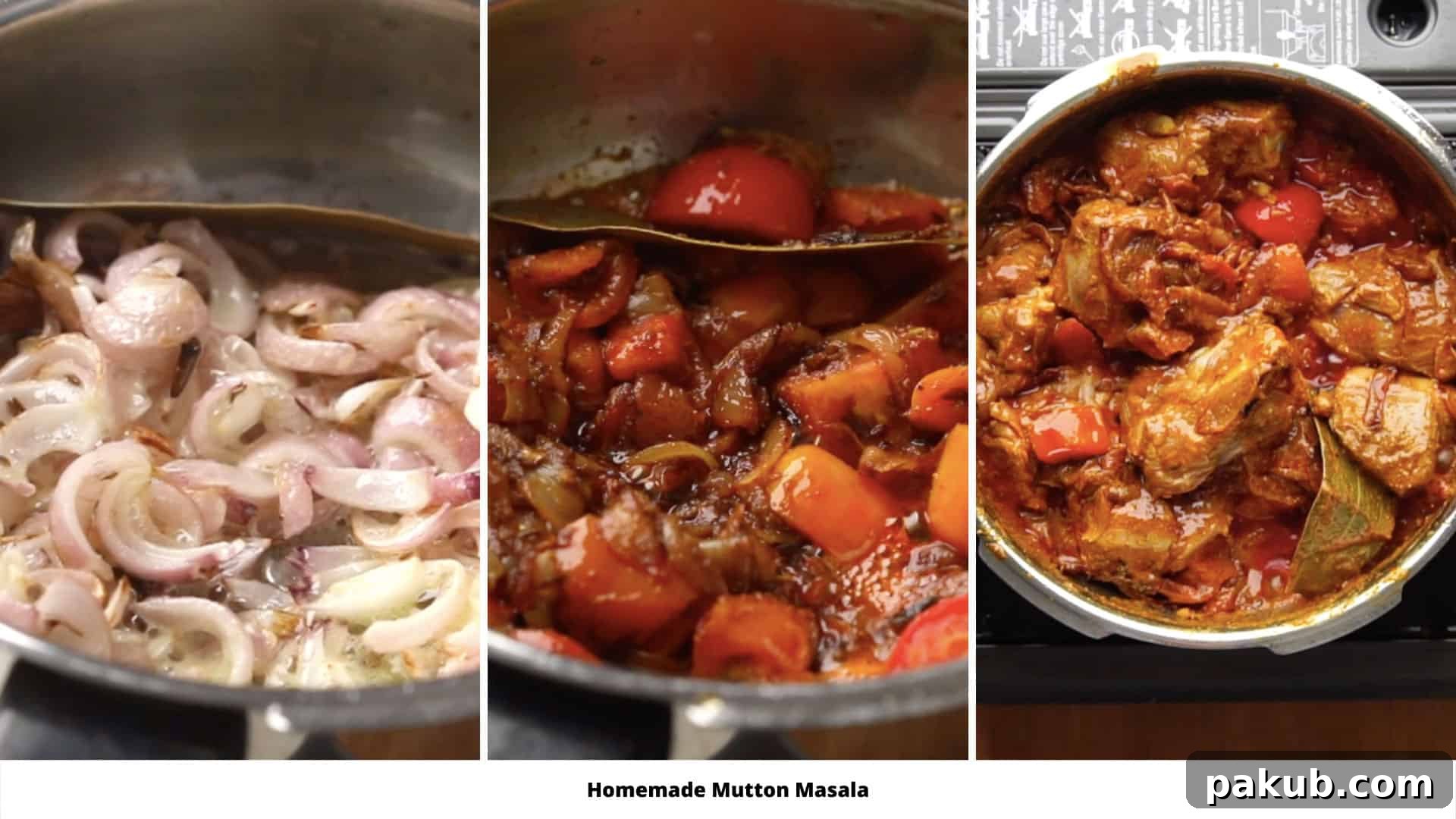
The heart and soul of any biryani lie in its masala, and our Homemade Mutton Masala is designed to deliver an explosion of flavor. It’s a harmonious blend of carefully roasted whole spices, caramelized fried onions, and generous amounts of rich ghee, creating a depth that is truly unmatched. What makes this masala particularly appealing is that it relies on everyday pantry staples, empowering you to whip up a fantastic biryani whenever the craving strikes, without the stress of hunting down exotic ingredients.
Mastering the Art of Biryani Layers for Perfection
Achieving the characteristic layered perfection of biryani, particularly reminiscent of authentic Hyderabadi styles, is crucial for both its visual appeal and the even distribution of flavors. To ensure your biryani cooks beautifully without sticking or burning, always use a heavy-bottomed pan or pot. The substantial base distributes heat evenly, preventing scorching and allowing the flavors to meld perfectly.
Here’s the precise order in which to construct your biryani layers, ensuring each component contributes to the harmonious final dish:
- **First Layer: Mutton Masala (or Mutton Curry):** Start with a generous layer of the rich, tender mutton masala at the bottom of the pot. This forms the flavorful base and prevents the rice from burning.
- **Second Layer: Golden Fried Onions:** Sprinkle a handful of crispy fried onions over the masala. These add a delightful sweetness and texture.
- **Third Layer: Fresh Herbs:** Distribute finely chopped fresh mint and coriander leaves. These herbs infuse the biryani with their vibrant aroma and fresh taste.
- **Fourth Layer: Par-cooked Basmati Rice:** Carefully spread an even layer of the steaming hot, par-cooked basmati rice over the herbs. This rice will absorb the flavors from the layers below.
- **Fifth Layer: Saffron Milk Mixture:** Drizzle the fragrant saffron-infused milk over the rice. Saffron not only adds a beautiful color but also an unparalleled aroma.
- **Final Touch: Ghee:** Dot the top layer with warm ghee. This adds richness, gloss, and helps in the steam cooking process.
Once your biryani is meticulously layered in this sequence, seal the pot tightly and allow it to cook on a very low flame for an additional 20 minutes. This period is the magical ‘dum’ cooking stage, where all the individual flavors meld together, the rice fully cooks to perfection, and the mutton becomes incredibly tender. The steam trapped within the pot ensures even cooking and deep flavor infusion.
Pro Tip: After the biryani has finished cooking, it’s absolutely vital to let it ‘rest’ undisturbed for at least 10-15 minutes with the lid still on. This resting period isn’t merely a waiting game; it significantly elevates the flavor profile, allowing the aromatic steam to redistribute, the rice grains to firm up slightly, and the mutton to become even more succulent. It’s like allowing the biryani to “settle” and fully develop its complex flavors before serving.
To enhance the presentation and add another layer of flavor, generously garnish the biryani with extra fried onions just before serving.
Serve your hot, aromatic Mutton Biryani with these traditional accompaniments for a complete culinary experience:
- A cooling Indian Raita or Cucumber Mint Raita to balance the spices.
- Spicy and tangy Mirchi ka Salan, a classic Hyderabadi chili and peanut curry.
Prepare yourselves for a delightful food coma after indulging in this homemade biryani feast! Don’t hesitate to leave your questions and comments below; we love hearing from you!
More Meat Lovers’ Recipes to Explore
If you enjoyed this Mutton Biryani recipe, you might also love these other hearty and flavorful meat dishes:
- Chicken Biryani
- Lamb Kofta Curry
- Chicken Korma
- Goan Prawn Curry
- Instant Pot Beef Stew
- Street Style Chicken Shawarma
Watch the Biryani Video Tutorial

Mutton Biryani
By: Richa
Our Mutton Biryani recipe guarantees fantastic results every single time. It requires a little dedication, but the reward is incredibly tender, juicy, and flavorful meat paired with exceptionally fragrant rice.
Ingredients
Mutton Marinade
- 1 kg Mutton, shoulder, cut into 2-inch pieces (use either goat or lamb meat)
- ½ Cup Curd (yogurt)
- ¼ Teaspoon Turmeric Powder
- 1 ½ Teaspoon Salt
Mutton Masala
- 2 Tablespoons Ghee
- 2 Tablespoons Oil
- ½ Teaspoon Cumin Seeds
- 1 Bay Leaf
- 4 Cloves
- ½ Inch Cinnamon stick
- 2 Cardamom Pods
- 3 Onions, thickly sliced
- 1 Tablespoon Ginger Garlic Paste
- 3 Tomatoes, cut into big chunks, 1 inch
- 1 Teaspoon Chilli Powder
- ¼ Teaspoon Turmeric Powder
- ½ Teaspoon Garam Masala
- ½ Cup Milk
- ¼ Cup Water
Basmati Rice
- 700 grams Basmati Rice, washed and soaked
- 8 Cups Water
- 1 Bay Leaf
- 4 Cloves
- ½ Inch Cinnamon stick
- 2 Cardamom Pods
- 2 Tablespoons Salt
- 1 Teaspoon Ghee
Saffron Milk
- 2 Tablespoons hot Milk
- 10-12 Strands Saffron
Biryani Layering
- ½ Cup Fried Onions, (store-bought recommended)
- ½ Cup Mint Leaves, roughly chopped
- ½ Cup Coriander Leaves, roughly chopped
- 2 Tablespoons warm Ghee
Instructions
Mutton Marinade
- Wash and clean the mutton thoroughly, then pat dry with paper towels. In a large bowl, combine the curd, turmeric powder, salt, and the prepared mutton. Mix well, ensuring the marinade coats all pieces evenly. Cover the bowl and allow the mutton to marinate for a minimum of 20 minutes, or up to 2 hours for deeper flavor.
Mutton Masala
- In a large pressure cooker, add ghee and oil, then heat it on a medium flame. Once hot, add the whole spices: cumin seeds, cloves, bay leaf, cardamom pods, and cinnamon stick. Fry these for about 30 seconds, or until they become fragrant, releasing their aromatic oils.
- Add the thickly sliced onions to the pressure cooker and fry them for approximately 2 minutes, or until they begin to turn light golden brown. Next, add the ginger garlic paste and continue frying until its raw aroma disappears and it turns fragrant.
- Introduce the chopped tomatoes to the cooker and cook them for about 2 minutes, or until they soften slightly. Add the marinated mutton pieces and cook on high heat for 4-5 minutes, stirring occasionally, until the mutton starts to brown on the surface. Stir in the chilli powder, turmeric powder, and garam masala, mixing well to combine all the spices with the mutton.
- Pour in the milk and water, stirring well to ensure everything is thoroughly mixed. Securely seal the lid of the pressure cooker. Pressure cook on medium flame for 25-30 minutes. The mutton should be perfectly fork-tender but still hold its shape; it should not fall apart.
Basmati Rice
- To remove excess starch, wash the basmati rice at least three times under running water. After washing, soak the rice in fresh water for 30 minutes to an hour. This helps the grains cook evenly and prevents breakage.
- In a very large, heavy-bottomed pot, bring water, whole spices (bay leaf, cloves, cinnamon, cardamom), salt, and ghee to a rolling boil over high heat. The pot must be sufficiently large to prevent the rice from sticking to the bottom or burning.
- Once the water is vigorously boiling, add the soaked and drained basmati rice. Cook the rice on high heat for approximately 7 minutes. It is crucial that the rice is only par-boiled to about 70% doneness; it will continue to cook and absorb flavors during the layering and dum cooking process with the mutton. Drain the par-boiled rice immediately.
Saffron Milk
- Lightly crush the saffron strands and place them in a small bowl. Pour the hot milk over the saffron and set it aside to infuse. The saffron will release its color and aroma into the milk.
Biryani Layering
- In a heavy-bottomed pot suitable for dum cooking, spread an even layer of the cooked mutton masala at the bottom. This forms the flavorful base. Sprinkle a generous amount of fried onions over the masala, followed by evenly spreading the chopped mint and coriander leaves.
- Next, carefully add the steaming hot, par-boiled basmati rice over the herb layer, gently spreading it out with the back of a large spoon to ensure an even distribution.
- Using a spoon, gently drizzle the prepared saffron milk mixture evenly over the rice. Follow this by drizzling warm ghee over the rice layer. Cover the pot with a tight-fitting lid (you can seal it with dough if desired for perfect dum). Let it cook on very low heat for 20 minutes. After 20 minutes, turn off the flame and allow the biryani to rest, undisturbed, for another 10 minutes.
- Uncover the lid gently. Fluff the biryani using a light hand, ensuring each serving gets a good portion of every fragrant layer – tender mutton, aromatic rice, and spices. Serve hot, garnished with extra chopped coriander leaves, alongside refreshing raita and spicy mirchi ka salan for an authentic experience!
Video Tutorial
Notes for Success
- The **best cut of meat** to use in this recipe is shoulder. You can use either goat or lamb, depending on your preference and availability.
- Browning onions can be a time-consuming and somewhat tricky step. For convenience, you can easily substitute them with **store-bought fried onions**. When purchasing, ensure the onions are not batter-fried, as this can alter the texture and flavor.
- When buying basmati rice, always confirm that it is **explicitly labeled as basmati** and not just generic ‘long grain rice’. Authentic basmati rice is distinguished by its fragrant aroma and slightly thinner grains, which are crucial for giving biryani its characteristic flavor and texture.
- In the final stage of layering and dum cooking the biryani, all components are already par-cooked. Cooking on a low flame for 20 minutes ensures everything steams to perfect doneness. If you do not possess a heavy-bottomed pot, or if you are concerned about burning the bottom, you can place your pot on a **tava (a flat griddle)**. Place the tava on the stove over a medium flame, and then position your biryani pot on top. This method creates a buffer between the direct flame and the pot, providing a more even and gentle heat distribution, preventing the rice from scorching.
Nutrition Information (per serving)
Calories: 853 kcal
Carbohydrates: 81g
Protein: 30g
Fat: 44g
Saturated Fat: 19g
Trans Fat: 1g
Cholesterol: 115mg
Sodium: 2321mg
Potassium: 659mg
Fiber: 3g
Sugar: 4g
Vitamin A: 737 IU
Vitamin C: 12mg
Calcium: 121mg
Iron: 4mg
Did you love this recipe? Please take a moment to rate it and share your feedback in the comments below!