
Are you tired of your paneer drying out and becoming rubbery just a day or two after opening? If you want to master the art of how to store paneer to keep it wonderfully fresh, soft, and moist for an extended period, you’ve landed on the perfect guide. Follow our simple, tried-and-tested methods to ensure your paneer remains super soft and ready for your favorite dishes for days, even weeks!

The Ultimate Guide to Storing Paneer: Freshness That Lasts
Paneer, the beloved fresh Indian cheese, is a staple in many households, including ours. From creamy curries to sizzling tikkas, its mild flavor and delightful texture make it incredibly versatile. However, many home cooks face a common frustration: how to keep paneer fresh once opened or made. All too often, a beautiful block of paneer, whether homemade or store-bought, quickly transforms into a dry, crumbly, or rubbery mess when not stored correctly. Simply tossing it into a box in the fridge is a recipe for disappointment, leading to wasted ingredients and less enjoyable meals.
That’s why I’m thrilled to share a remarkably simple yet incredibly effective tip on how to store paneer, ensuring it remains as fresh, soft, and moist as the day it was acquired for up to a week, or even longer if frozen properly. This method works wonders for both homemade paneer and store-bought varieties, requiring only a couple of minutes of your time each time. Say goodbye to dry paneer and hello to perfectly tender cheese every single time! Excited to unlock the secret to long-lasting paneer freshness? Let’s dive in!
Love paneer? Don’t miss out on exploring my other delightful paneer recipes, including the rich Paneer Butter Masala, the aromatic Paneer Kali Mirch, the flavorful Makhani Paneer Biryani, the crispy Crispy Thread Paneer, and the vibrant Hariyali Paneer Tikka! Expand your culinary repertoire and enjoy paneer in new, exciting ways.
Jump to section: How to Store Paneer Effectively
- How To Store Paneer in the Refrigerator
- Freezing Paneer for Long-Term Storage
- Richa’s Expert Tips for Paneer Storage
- Frequently Asked Questions About Paneer Storage
How To Store Paneer in the Refrigerator: The Water Submersion Method
The secret to keeping paneer delightfully soft and moist in the refrigerator lies in preventing it from drying out. Paneer, being a fresh cheese, loses moisture quickly when exposed to air, leading to a hard, rubbery texture. Our simple water submersion method counters this perfectly, locking in its natural moisture. This technique is ideal for paneer you plan to use within a week.
Step-by-Step Guide to Refrigerator Storage:
- Step 01: Select an Airtight Container. Choose a clean, airtight container, ideally made of glass, large enough to comfortably hold your block of paneer. Glass is preferable as it doesn’t absorb odors, ensuring your paneer maintains its pure, fresh taste.
- Step 02: Submerge the Paneer in Water. Gently place the block of paneer into the container. Then, fill the container with fresh, cold water until the paneer is completely submerged. Ensure no part of the paneer is exposed to air, as this is key to retaining moisture.
- Step 03: Seal and Refrigerate. Securely cover the container with its lid, creating an airtight seal. Transfer the sealed container to your refrigerator. The cool temperature combined with the water bath will significantly slow down spoilage and dehydration.
- Step 04: Change the Water Regularly. For optimal freshness and to prevent any bacterial growth, it’s crucial to change the water every 1-2 days. Simply drain the old water, rinse the paneer briefly if desired, and refill the container with fresh, cold water before resealing and returning it to the fridge.
And ta-da! By following this incredibly simple yet highly effective method, your paneer will remain fresh, soft, and moist for up to a full week. The constant hydration from the soaking water prevents the paneer from drying out and maintains its delicate texture, making it feel as fresh as the day you first opened or made it. This technique is a game-changer for anyone who frequently uses paneer!
Freezing Paneer for Long-Term Storage: Up to a Month of Freshness
While the water submersion method is excellent for short-term storage, sometimes you need to store paneer for longer periods, especially if you buy in bulk or make large batches of homemade paneer. Freezing is the perfect solution for extending paneer’s shelf life for up to a month, without compromising its quality significantly.
How to Freeze Paneer:
To prepare paneer for freezing, cut it into your desired portion sizes (cubes, slabs, or crumbles) before freezing. This makes it easier to thaw only what you need later. Place the paneer pieces in a single layer on a baking sheet lined with parchment paper and flash freeze them for an hour or two until solid. This prevents them from sticking together. Once firm, transfer the frozen paneer into a heavy-duty freezer-safe ziplock bag or an airtight container. Make sure to remove as much air as possible from the bag before sealing it well. Label the bag with the date of freezing, and store it in your freezer.
How to Defrost Frozen Paneer:
The key to enjoying frozen paneer is proper thawing. There are a few methods:
- Overnight in the Fridge: The safest and most recommended method is to transfer the frozen paneer (still in its container or bag) from the freezer to the refrigerator the night before you plan to use it. This allows it to defrost slowly and completely, usually taking 8-12 hours.
- Countertop Thawing: For a quicker method, you can remove the paneer from the freezer and allow it to defrost on your kitchen countertop. Depending on the room temperature and the size of the paneer block, this typically takes about 2-4 hours. Ensure it’s not left out for too long, especially in warm environments.
- Quick Thaw in Water: If you’re in a hurry, you can place the frozen paneer in a sealed bag or container and submerge it in a bowl of cold water. Change the water every 30 minutes until the paneer is thawed. Avoid using hot water, as it can make the paneer tough.
Once defrosted, it’s highly recommended to rehydrate the paneer. Simply place the thawed paneer in a bowl of warm water for about 15-20 minutes. This step is crucial for restoring its gorgeous, fresh, and soft texture, making it perfect for cooking. This way, you can enjoy perfectly soft paneer even after it’s been frozen!
Richa’s Expert Tips for Paneer Storage and Use
- I consistently recommend using a glass container over plastic for water submersion. Glass is non-porous and doesn’t absorb the subtle flavors or odors from the paneer, nor does it impart any plastic taste, ensuring your paneer remains pristine.
- When storing homemade paneer, consider pressing it well to remove excess whey, which can enhance its firmness and prolong its freshness.
- If your paneer feels slightly dry even before storage, a quick soak in warm water for 15-20 minutes can often revive its softness. This trick works wonders before you even begin the storage process.
- Always ensure the water used for submersion is fresh and clean. Filtered water can be a good option if your tap water has a strong odor or taste that might transfer to the paneer.
- If you plan to use paneer for specific dishes, cutting it into individual meal-sized portions before refrigeration or freezing can save time later. Store these smaller portions in separate containers or bags.
- Always check your paneer for any signs of spoilage before use. Discard if it has an off-odor, slimy texture, or visible mold, even if stored using these methods.
Frequently Asked Questions About Paneer Storage
Defrosting frozen paneer is straightforward. The most recommended method is to transfer it from the freezer to the refrigerator the night before you plan to use it, allowing it to thaw gradually. This typically takes 8-12 hours. Alternatively, you can defrost it on the kitchen countertop for 2-4 hours (depending on room temperature and paneer size), but ensure it’s not left out too long. For a faster method, place the sealed frozen paneer in a bowl of cold water, changing the water every 30 minutes until fully thawed. After thawing, always rehydrate your paneer by soaking it in warm water for 15-20 minutes to restore its original soft texture.
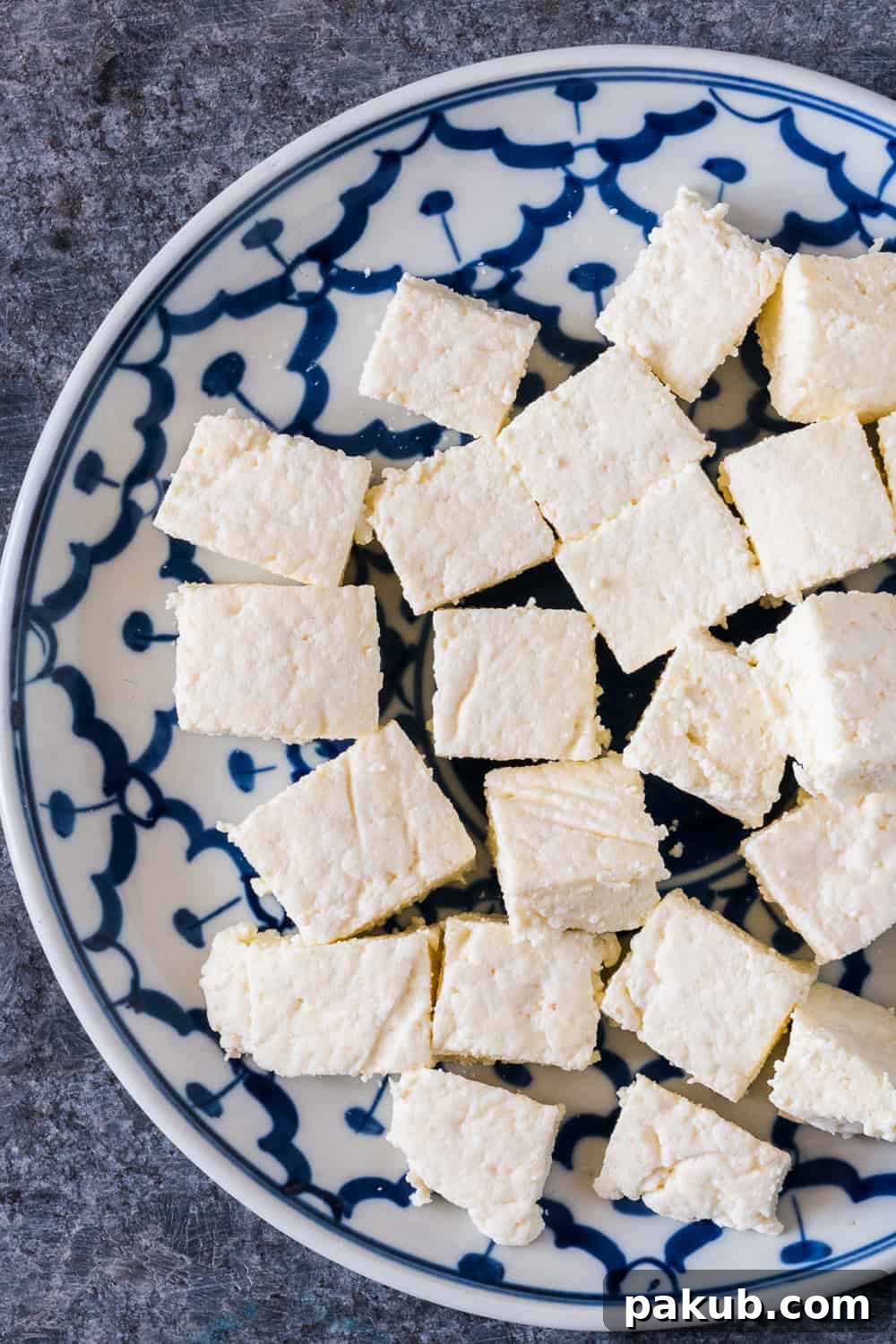
Absolutely! This water submersion method is perfect for storing homemade paneer. I often make a large batch of my homemade paneer at the beginning of each week, and this storage technique is invaluable. I find it convenient to cut the homemade paneer into individual meal-sized portions before storing them in several smaller containers using the water method, or by freezing them. This way, I have perfectly fresh and soft paneer ready whenever inspiration strikes for a delicious Indian meal.
If stored simply in an airtight container without water, paneer will typically only stay fresh for 2-3 days before it starts to dry out, harden, and potentially develop an undesirable texture. It might even start to yellow or become crumbly. The water submersion method is crucial for extending its freshness and maintaining its delightful softness for up to a week.
Yes, you can absolutely store pre-cut paneer (cubes or crumbled) using the water submersion method. In fact, it’s often more convenient as you can grab exactly the amount you need for your recipe without cutting a large block. Just ensure all pieces are fully submerged in water within an airtight container and change the water every 1-2 days as recommended.
Even with proper storage, it’s important to recognize signs of spoilage. Paneer that has gone bad may exhibit a sour or pungent odor, a slimy or sticky texture on its surface, or visible mold (often green, black, or pink spots). If you notice any of these signs, it’s best to discard the paneer to avoid foodborne illness. Fresh paneer should have a mild, milky aroma and a firm yet soft texture.
Embrace Freshness: Never Waste Paneer Again!
Once you integrate these simple yet incredibly effective methods into your kitchen routine, you’ll wonder how you ever managed without them. The difference in the texture and longevity of your paneer will be remarkable. No more dry, rubbery, or wasted paneer! You’ll always have beautifully fresh, soft, and moist paneer on hand, ready to elevate your favorite Indian dishes, from a comforting Matar Paneer to a rich Paneer Butter Masala.
Try these storage tips today and experience the joy of consistently perfect paneer. We’d love to hear about your experience! Share your thoughts and results in the comments section below or connect with me over on my Instagram @my_foodstory. Your culinary journey with paneer is about to get a whole lot fresher!