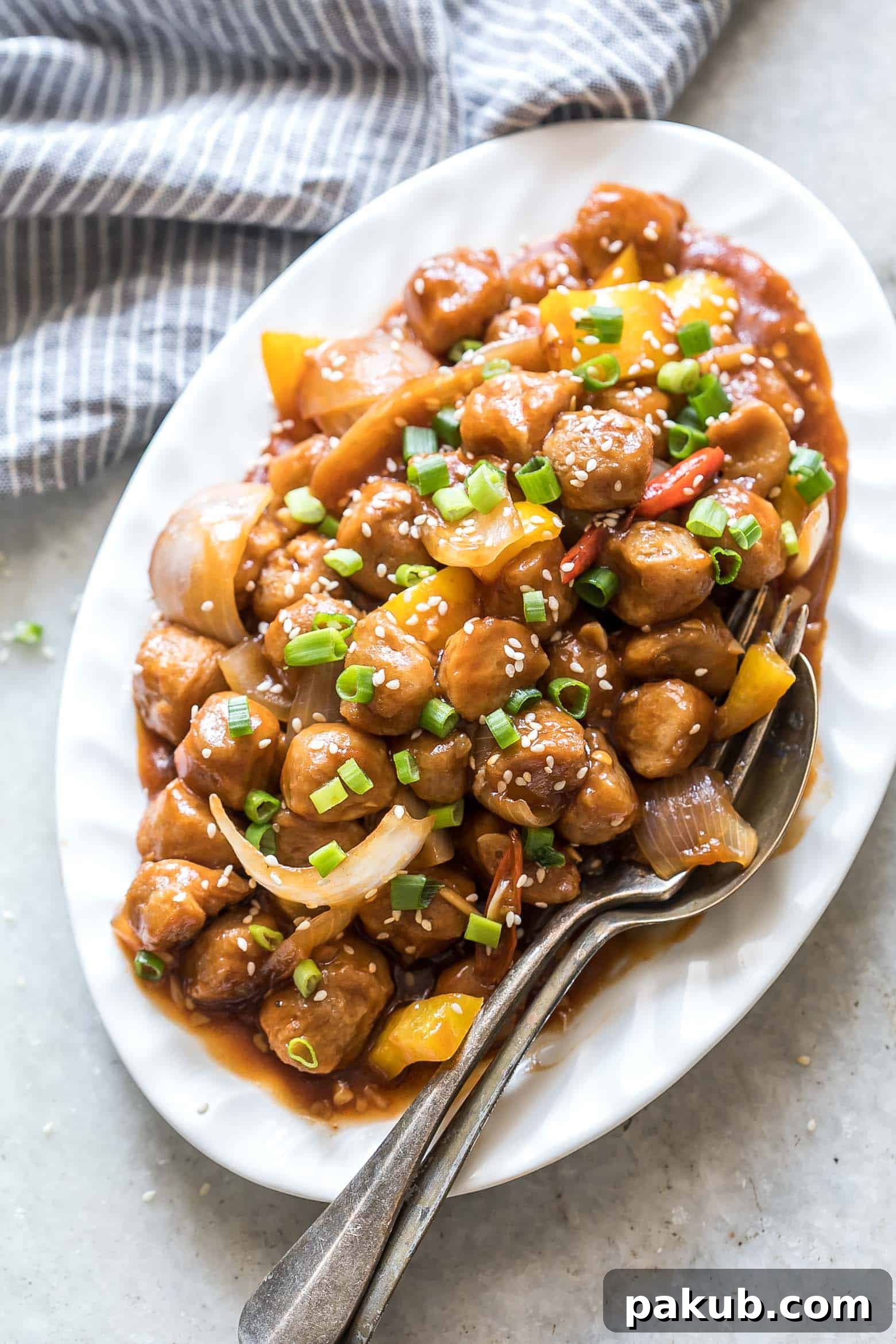
Soya Manchurian: A Flavorful and Protein-Packed Indo-Chinese Delight
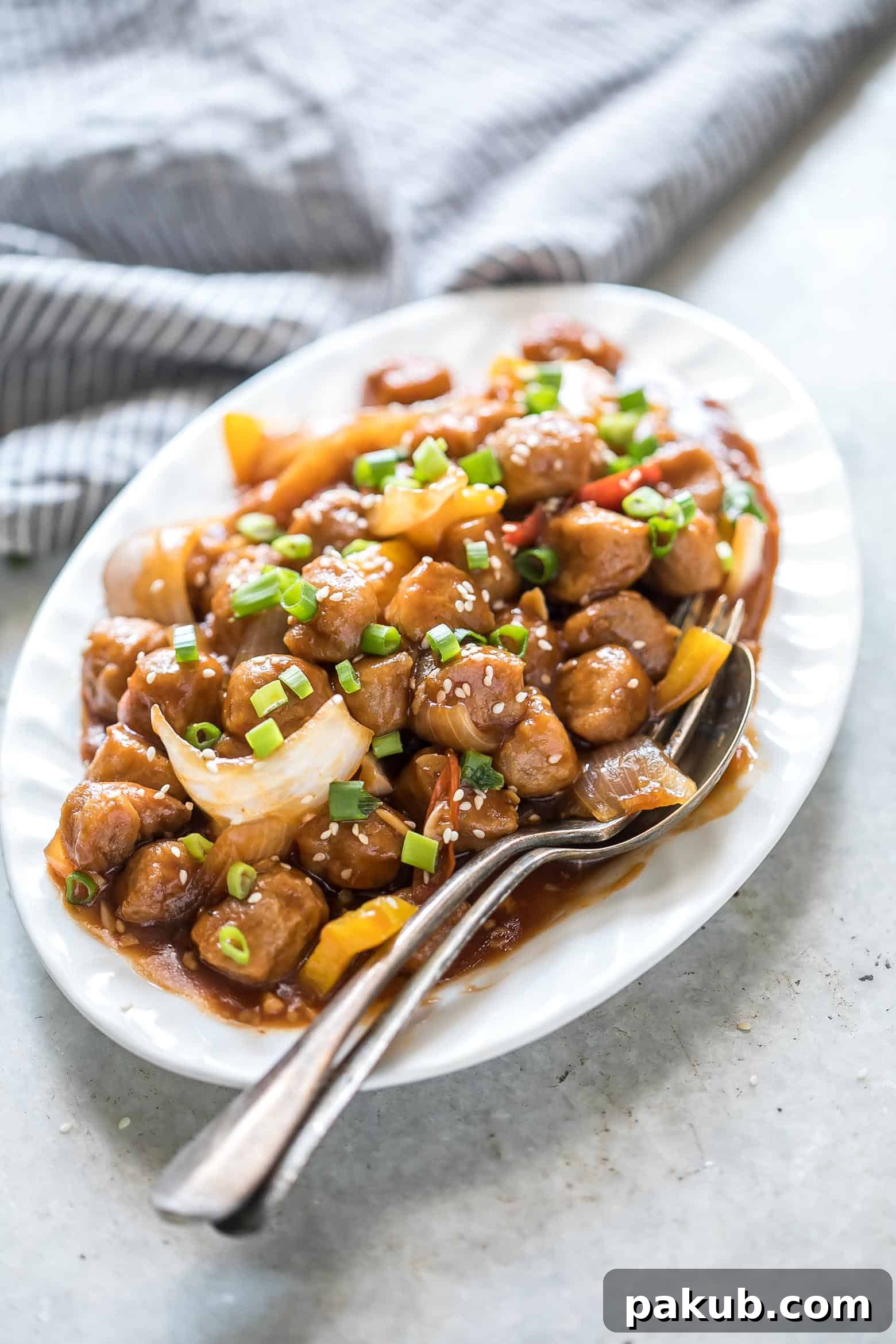
Soya Manchurian is an exquisite Asian recipe where tender soya chunks are stir-fried and then generously coated in a captivating sweet, spicy, and tangy Chinese sauce. This popular Indo-Chinese fusion dish pairs perfectly with Hakka noodles or delectable fried rice, making it an ideal choice for a satisfying meal.
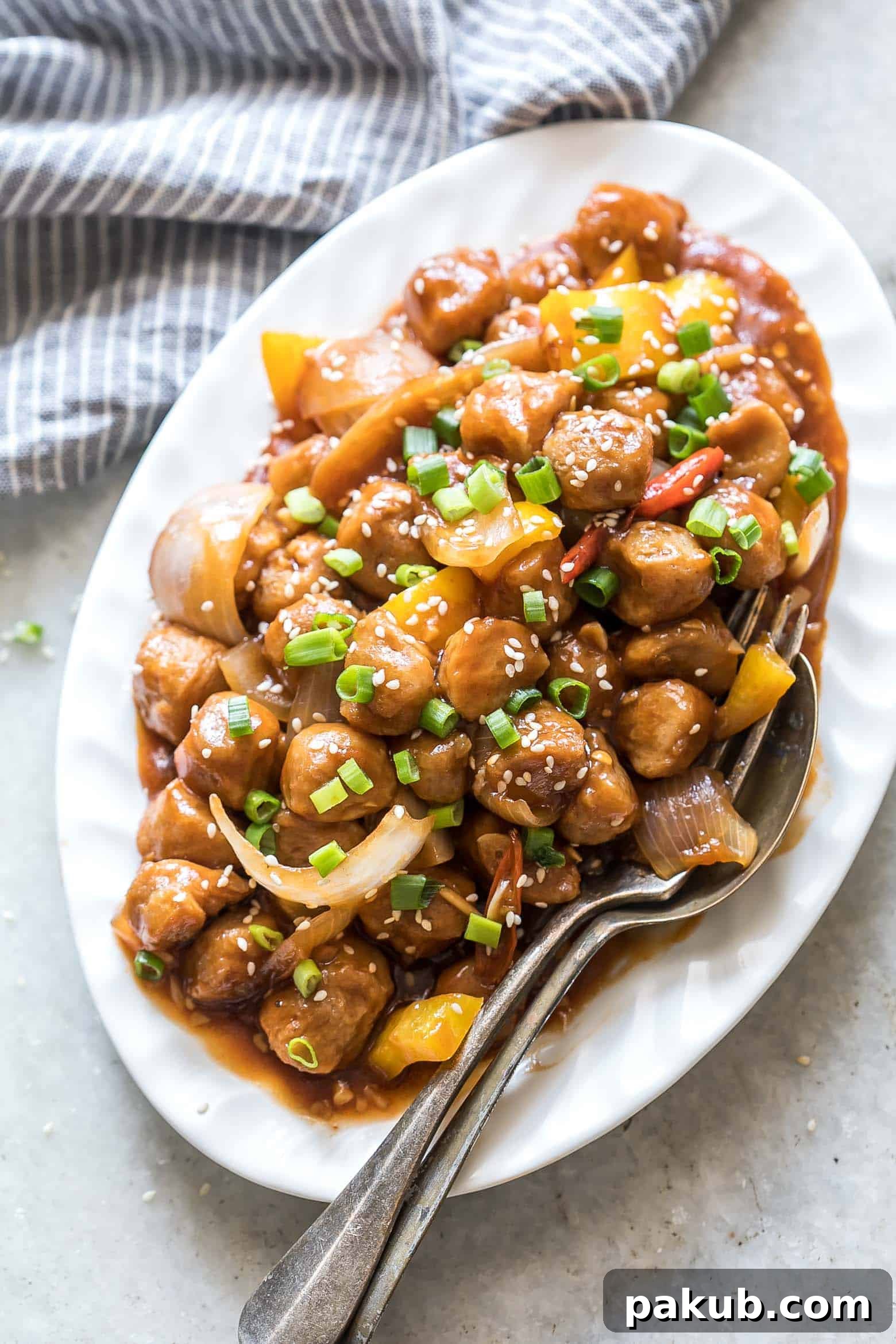
For many, the allure of Chinese cuisine is undeniable. Especially “Indian Chinese,” a unique culinary genre known for its bold flavors and tantalizing spices, offers a delightful twist on traditional Chinese dishes. It’s a cuisine that effortlessly fits into any meal of the day, from a hearty breakfast to a satisfying dinner. After the runaway success of our Soya Hara Bhara Kebabs, we’re thrilled to present another protein-packed marvel: Soya Manchurian. This incredible recipe transforms humble soya chunks into a dish so rich and flavorful, you might just forget it’s not meat!
What truly sets Soya Manchurian apart is the delightful textural experience offered by the soya chunks. When properly prepared, they absorb the vibrant flavors of the sauce and develop a satisfyingly meaty bite. This makes them an exceptional alternative to traditional Manchurian balls, often surprising even the most discerning palates with their versatility and ability to mimic the succulence typically associated with non-vegetarian options. It’s a culinary triumph that proves healthy eating can be incredibly delicious.
Quick Walk Through: Soya Manchurian
- Why You’ll Love This Soya Manchurian Dish
- The Nutritional Powerhouse: Benefits of Soya Chunks
- Frequently Asked Questions About Soya Manchurian
- Top Tips for Perfecting Your Soya Manchurian
- Delicious Variations and Serving Suggestions
- More Soya Dishes to Explore
Why You’ll Love This Soya Manchurian Dish
Soya Manchurian isn’t just another recipe; it’s a game-changer for anyone looking for a quick, flavorful, and nutritious meal. Here are compelling reasons why this dish deserves a permanent spot in your recipe repertoire:
- A Quick and Easy Vegetarian Starter or Main Course: Whether you’re planning an elaborate dinner party or simply seeking a satisfying weeknight meal, this Soya Manchurian fits the bill. It’s a delicious vegetarian option that serves equally well as an appetizer or a light main course, offering both incredible taste and healthy benefits. Its ease of preparation makes it accessible even for novice cooks.
- Perfect for a Protein-Packed Meal with Indo-Chinese Flair: In a world where protein intake is often overlooked, Soya Manchurian stands out. Soya chunks are a fantastic source of plant-based protein, making this dish an excellent way to boost your daily protein consumption without compromising on flavor. The bold and dynamic Indo-Chinese flavors ensure that healthy eating is an exciting culinary adventure.
- Minimal Prep Time, Maximum Flavor: One of the biggest advantages of using soya chunks is the significantly reduced preparation time. Unlike traditional Manchurian recipes that require chopping numerous vegetables and meticulously forming Manchurian balls, this dish leverages the convenience of ready-to-use soya chunks. This means less time in the kitchen and more time enjoying your meal, perfect for busy schedules.
- Ready in Under 30 Minutes: From start to finish, this entire dish can be on your table in less than half an hour. This speed makes it an ideal choice for spontaneous cravings or when you need a delicious meal whipped up quickly. The simple steps and efficient cooking process ensure a consistently delightful outcome every time.
The Nutritional Powerhouse: Benefits of Soya Chunks
Understanding your daily protein intake is crucial for overall health. Recent studies, like those from the Indian Dietician Association (IDA), highlight a significant protein deficiency in many diets. This is a critical concern, as inadequate protein can lead to various health issues, including muscle weakness, fatigue, and impaired immune function. Soya chunks emerge as a hero in this scenario, offering one of the highest plant-based protein sources, often surpassing eggs, lentils (dal), and paneer in protein content. Incorporating soya into your diet can significantly help you meet your nutritional needs. Let’s explore some of the remarkable benefits of soya chunks:
- Supports Heart Health: Soya chunks are a treasure trove of nutrients beneficial for cardiovascular well-being. Beyond their high protein content, they are rich in dietary fiber and beneficial Omega-6 fatty acids, while remaining commendably low in saturated fat. This unique nutritional profile helps in maintaining healthy cholesterol levels, reducing the risk of heart disease, and generally keeping your heart strong and vibrant for years to come.
- Aids Digestion: A healthy gut is the cornerstone of good health, and soya chunks contribute significantly to digestive wellness. They are an excellent source of dietary fiber, which is essential for a robust digestive system. Fiber promotes regular bowel movements, effectively reducing common issues like constipation. Furthermore, it acts as a prebiotic, fostering the growth of beneficial gut bacteria, which in turn enhances nutrient absorption and supports overall gut flora balance.
- Reduces Inflammation: Chronic inflammation is a root cause of many modern diseases. Soya chunks contain a powerful combination of high fiber content, Omega-6 fatty acids, calcium, and a spectrum of essential vitamins and nutrients. These components work synergistically to provide anti-inflammatory effects throughout the body, helping to mitigate cellular stress and promote healing. Regular consumption can contribute to reducing inflammation markers and supporting a balanced immune response.
- Aids in Weight Management: For those on a weight loss journey, soya chunks are an invaluable dietary ally. The high protein content promotes satiety, making you feel fuller for longer periods and thereby reducing overall calorie intake. Coupled with its abundant fiber, which boosts healthy digestion and stabilizes blood sugar levels, soya chunks can be a key component in a balanced weight loss or maintenance diet, helping you achieve your goals naturally and effectively.
Frequently Asked Questions About Soya Manchurian
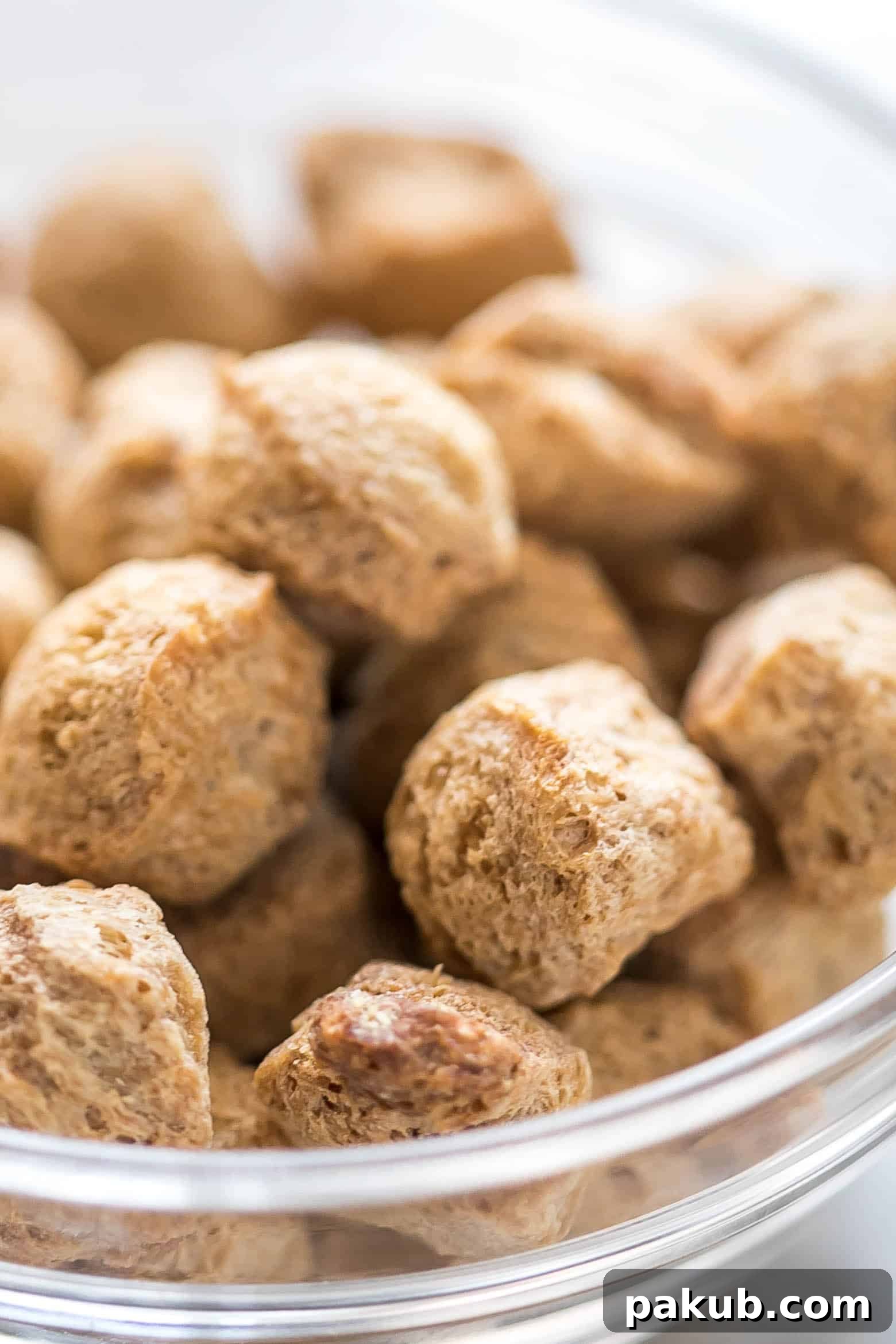
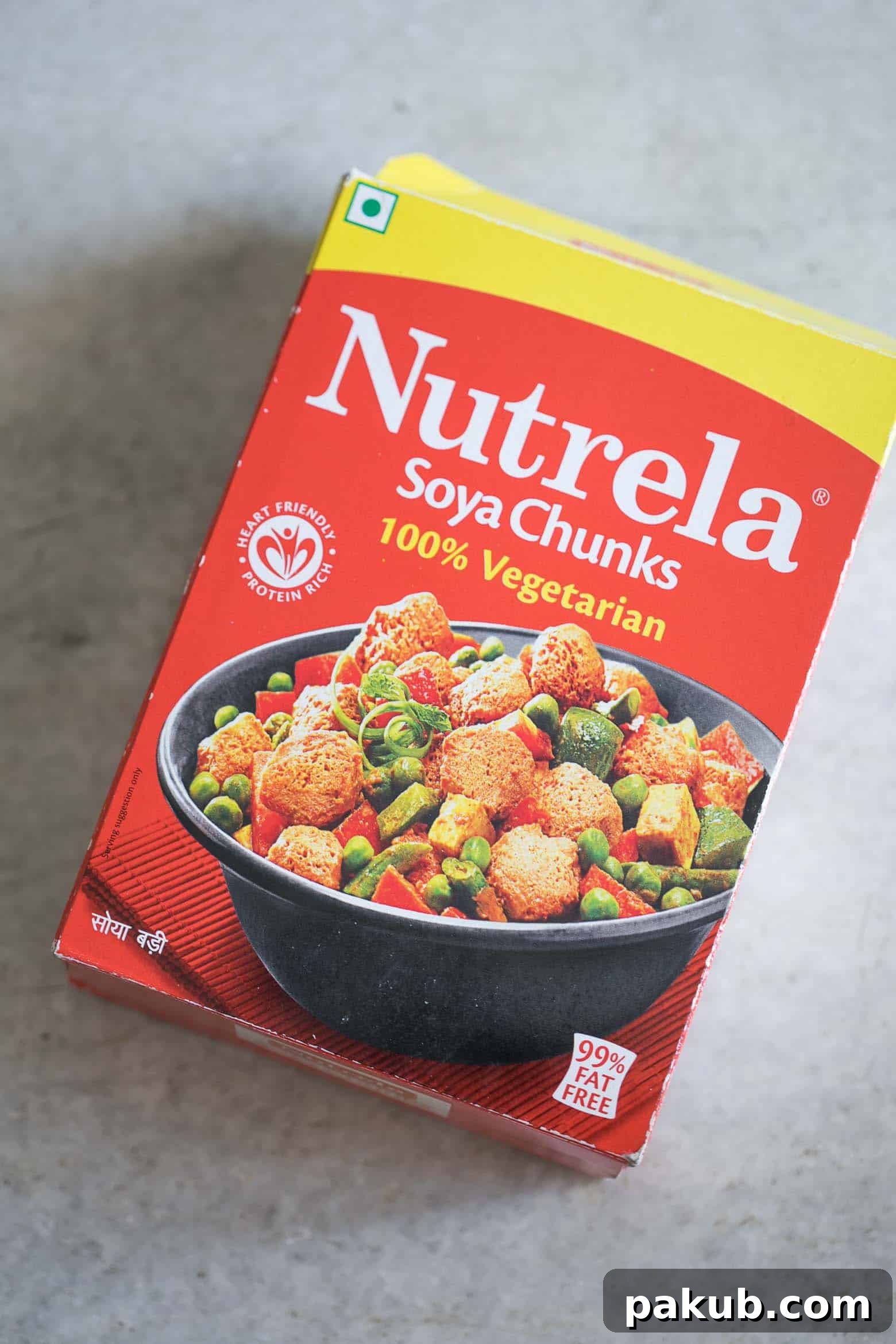
Soya chunks are primarily made from defatted soy flour, which is a byproduct of the soy oil extraction process. After the oil is extracted from soybeans, the remaining flour is processed under high pressure and temperature to create these porous, textured nuggets. They are celebrated for their remarkably high protein content and their slightly chewy, meat-like texture, making them an excellent and versatile source of vegetarian protein. This makes them ideal for absorbing flavors in dishes like Manchurian.
Soya Manchurian typically offers a balanced flavor profile that includes sweet, spicy, and tangy notes. The level of spiciness can be easily adjusted to your preference. If you enjoy a fiery kick, you can add more green chilies or chili sauce. For a milder taste, simply reduce the amount of spicy ingredients. The beauty of homemade Soya Manchurian is its adaptability to your family’s spice tolerance.
Yes, you absolutely can! To make Soya Manchurian gluten-free, ensure that your soy sauce is certified gluten-free (often labeled as Tamari). Also, replace corn flour with a gluten-free alternative like arrowroot powder or tapioca starch for thickening the sauce. Always double-check labels for any hidden gluten in other sauces or ingredients you might use.
For more delicious soya recipes, explore these options: Shepherd’s Pie, Chilli Corn Soya, Soya Stuffed Capsicum.
Top Tips To Make The Best Soya Manchurian
Achieving restaurant-quality Soya Manchurian at home is easier than you think with these expert tips:
- Enhance with More Vegetables: While delicious on its own, you can elevate the nutritional value and visual appeal of this dish by incorporating additional vegetables. Consider adding vibrant red and yellow bell peppers for sweetness and color, earthy mushrooms for umami depth, or crunchy shredded cabbage for extra texture. These additions not only make the dish more wholesome but also introduce a wider array of flavors and nutrients.
- Choose Your Ketchup Wisely: The quality of your tomato ketchup can significantly impact the final flavor profile of your Soya Manchurian. A good ketchup provides a balanced sweetness and tanginess. We often recommend using a homemade tomato ketchup for its fresh, preservative-free taste, which truly makes a difference. However, a good quality store-bought ketchup works perfectly fine. Just ensure it’s a brand you trust for its flavor.
- Thoroughly Squeeze Soya Chunks: This is perhaps the most crucial step for achieving the perfect texture. After soaking the soya chunks in hot water, it’s imperative to drain them thoroughly and then squeeze out every last drop of excess water. This step ensures that the soya chunks absorb the flavorful sauce effectively, preventing a watery final dish and allowing them to crisp up nicely when fried. Don’t be shy – squeeze them firmly!
- High Heat for Stir-Frying: Authentic Indo-Chinese cooking relies on high heat for stir-frying. When you add the ginger, garlic, chilies, and onions, make sure your pan is very hot. This high heat ensures quick cooking, preserving the vegetables’ crispness and releasing their intense aromas and flavors without making them soggy.
- Balance the Sauce: The Manchurian sauce is all about balance. Taste and adjust as you go. If you prefer more sweetness, add a touch more ketchup or a pinch of sugar. For extra tang, a splash of vinegar can work wonders. If it’s too thick, add a little water; too thin, a bit more cornflour slurry. Don’t be afraid to experiment to suit your palate.
While I have a deep-seated love for egg fried rice that often overshadows noodles, the versatility of Soya Manchurian means you can pair it with whatever your heart desires! Feel free to serve this with a generous portion of Hakka noodles, vegetable fried rice, or even plain steamed rice if that’s your preference. For those who enjoy a slightly drier Manchurian, simply adjust the amount of water in the sauce to achieve a thicker, less runny consistency. This recipe is a fantastic starting point; use it as a guide, and don’t hesitate to personalize your Soya Manchurian to truly make it your own signature dish!
Soya Manchurian Recipe
Richa
10 minutes
20 minutes
30 minutes
4
Portions
Print Recipe
Ingredients
- 2 cups Soya Chunks
- 2 tablespoons Oil
- 1 teaspoon Garlic, minced
- 1 teaspoon Ginger, minced
- 3 Green Chillies, slit in half
- 1 Onion, cubed (large)
- 1 Bell Pepper, cubed
- 3 tablespoons Corn Flour, divided
- 3 tablespoons Light Soy Sauce
- 1 tablespoon Chilli Sauce / hot sauce
- 2 tablespoons Tomato Ketchup
- Chopped green onions for topping
Instructions
-
Soak soya chunks in enough hot water to cover them completely and set aside for 15 minutes. This allows them to rehydrate and soften. Once soaked, drain the water thoroughly and squeeze out all excess water from the chunks. This step is crucial for good texture.
-
In a bowl, gently toss the squeezed soya chunks with one tablespoon of corn flour. This light coating will help them crisp up when fried and allow the sauce to adhere better.
-
Heat one tablespoon of oil in a large pan or wok over medium-high heat. Add the coated soya chunks and fry them on all sides for about 3-4 minutes until they turn lightly golden and slightly crispy. Remove the fried soya chunks from the pan and set aside. In the same pan, add the remaining oil (if needed) and stir-fry the minced garlic, ginger, green chillies, and cubed onion on high heat for 2-3 minutes. Cook until the onions are slightly translucent and fragrant.
-
Add the cubed bell peppers to the pan and continue to stir-fry for another 1-2 minutes until they are slightly tender-crisp. Return the fried soya chunks to the pan and toss everything well to combine the flavors.
-
In a separate small bowl, whisk together the light soy sauce, chili sauce (or hot sauce), tomato ketchup, the remaining two tablespoons of cornflour, and 3/4 cup of water until smooth. Pour this mixture into the pan with the soya chunks and vegetables. Keep stirring continuously until the sauce comes to a rolling boil and thickens to your desired consistency. This should take only a couple of minutes. Once the sauce is thick and glossy, turn off the flame. Garnish generously with freshly chopped green onions and serve hot.
Nutrition
Calories: 282kcal
,
Carbohydrates: 28g
,
Protein: 25g
,
Fat: 7g
,
Saturated Fat: 1g
,
Sodium: 1027mg
,
Potassium: 155mg
,
Fiber: 10g
,
Sugar: 11g
,
Vitamin A: 970IU
,
Vitamin C: 47mg
,
Calcium: 158mg
,
Iron: 6mg
Enjoyed this recipe? Share your thoughts and culinary creations in the comments below!
Delicious Variations and Serving Suggestions
One of the joys of Soya Manchurian is its incredible adaptability. Beyond the classic recipe, there are many ways to customize this dish to suit your taste and dietary preferences:
- Make it Vegan: The core recipe is already vegetarian. To make it strictly vegan, ensure your chili sauce and ketchup do not contain any animal-derived ingredients (though most standard brands are vegan-friendly). The soya chunks themselves are plant-based, making this an easy transition.
- Dry vs. Gravy: This recipe provides a luscious gravy, perfect for pairing with rice or noodles. If you prefer a “dry” Soya Manchurian, which makes for an excellent appetizer or snack, simply reduce the amount of water added to the sauce mixture. You can also cook it down longer until most of the liquid has evaporated and the sauce clings tightly to the soya chunks.
- Add More Heat: For spice lovers, don’t hesitate to increase the number of green chilies or add a dash of red chili flakes to the oil during stir-frying. A pinch of black pepper can also add a subtle heat.
- Sweetness Adjustment: If you find the dish too tangy or savory, a spoonful of sugar or honey can balance the flavors beautifully. Add it to the sauce mixture along with the other ingredients.
- Different Bell Peppers: While green bell peppers are standard, feel free to use red, yellow, or orange bell peppers for a sweeter taste and a more vibrant visual appeal.
As for serving, while egg fried rice is a personal favorite, here are more ideas:
- Hakka Noodles: A classic pairing, the savory noodles perfectly complement the sweet and spicy Manchurian.
- Vegetable Fried Rice: For a completely vegetarian meal, serve with a hearty vegetable fried rice.
- Plain Steamed Rice: Sometimes, simplicity is best. The rich gravy of Soya Manchurian is excellent absorbed by plain white or brown rice.
- As an Appetizer: Serve the drier version of Soya Manchurian with toothpicks as a crowd-pleasing party snack.
- In a Wrap: Stuff leftover Soya Manchurian into a tortilla or flatbread with some shredded cabbage for a quick and satisfying lunch.
More Soya Dishes to Explore
If you’ve enjoyed the versatility and nutritional benefits of soya in this Manchurian recipe, we encourage you to try these other fantastic soya-based dishes:
- Soya Shepherd’s Pie
- Chilli Corn Soya
- Soya Stuffed Capsicum
- Soya Hara Bhara Kebab