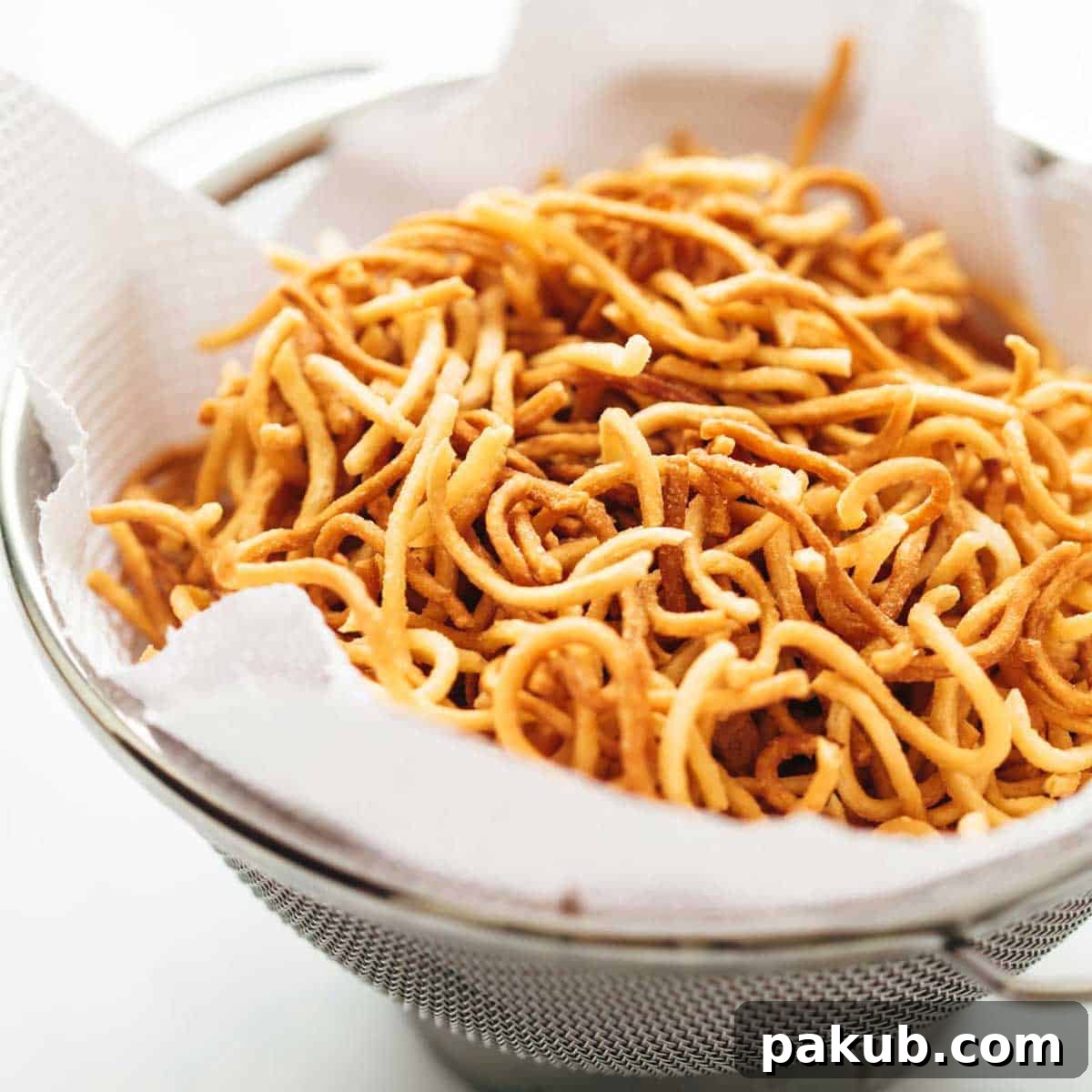
Are you unable to resist those irresistible golden, crunchy noodles served alongside your favorite Asian soups and salads at restaurants? Get ready to recreate that magical texture right in your own kitchen! This detailed guide will walk you through a simple, yet precise method to make your own authentic, wonderfully crispy fried noodles at home. In just a few easy steps, you can achieve perfectly airy, delightfully crunchy noodles to enjoy whenever a craving strikes.
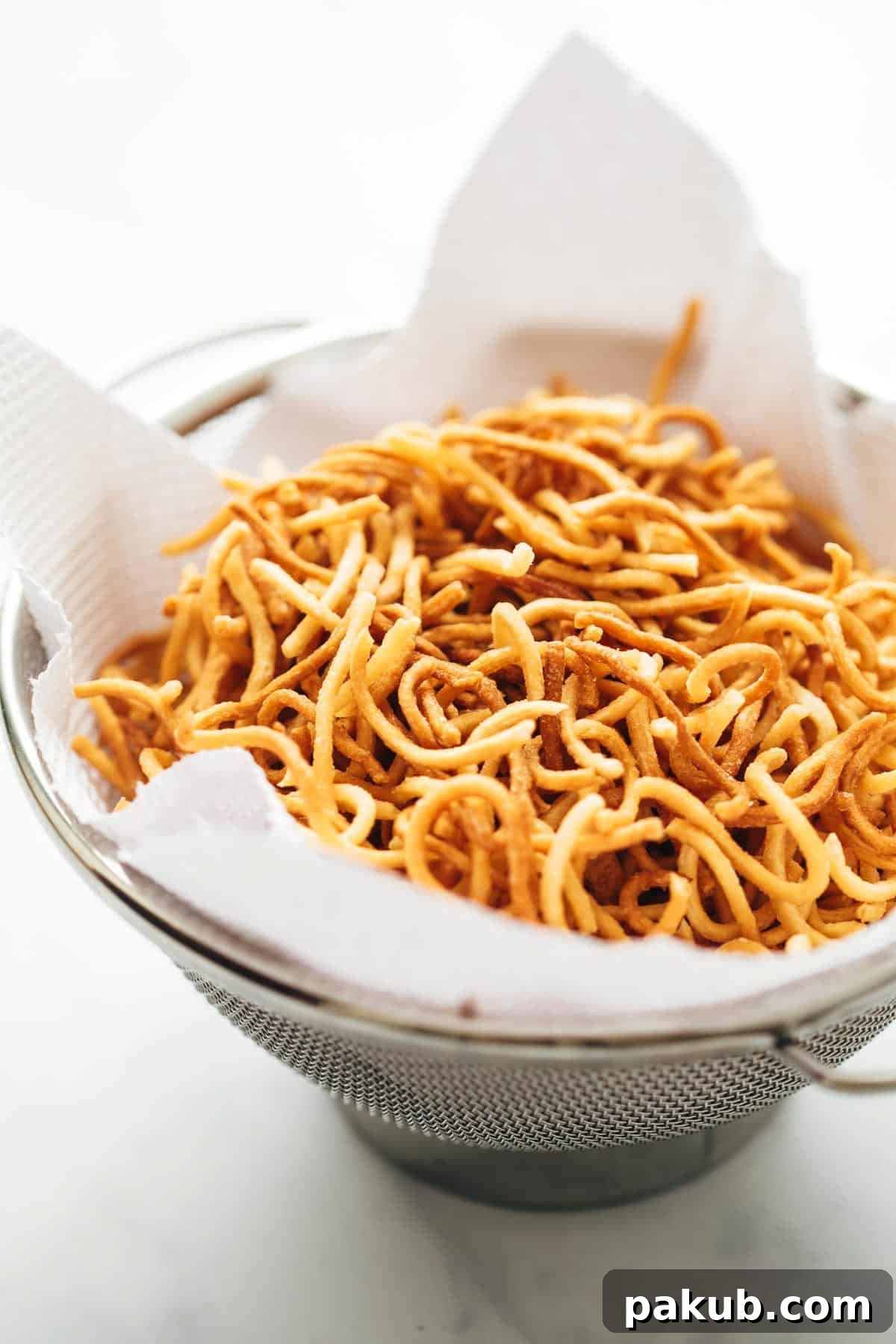
Be warned: these homemade crispy noodles are incredibly addictive! Once they emerge from the deep fryer, glistening and golden, they have a tendency to disappear within mere minutes. Their irresistible crunch makes them a favorite snack straight from the cooling rack, but their true magic unfolds when paired with other dishes.
The versatility of these crunchy strands is truly remarkable, making them an essential staple for any Asian-inspired meal. Use them as a game-changing crunchy topping on hearty Manchow Soup, a zesty Hot and Sour Soup, or even a comforting Wonton Soup. Beyond soups, they add an exquisite texture to salads, making them indispensable for tossing together a vibrant Crunchy Chinese Chicken Salad. For a creative twist, use them as a crisp base instead of traditional soft noodles for your favorite Chinese stir-fries or American chopsuey, adding an unexpected dimension to every bite.
Many home cooks might assume that making crispy fried noodles is as simple as boiling and then deep-frying. However, achieving that coveted restaurant-quality result—where each noodle is distinct, perfectly crunchy, and uniformly golden brown—requires more than just guesswork. There’s a specific, proven method to follow, a culinary secret that ensures your noodles are airy and crisp, never greasy or clumpy. We’re here to demystify the process and show you exactly how to achieve that perfect crunch every single time.
Step 1: Selecting the Ideal Noodles for Frying
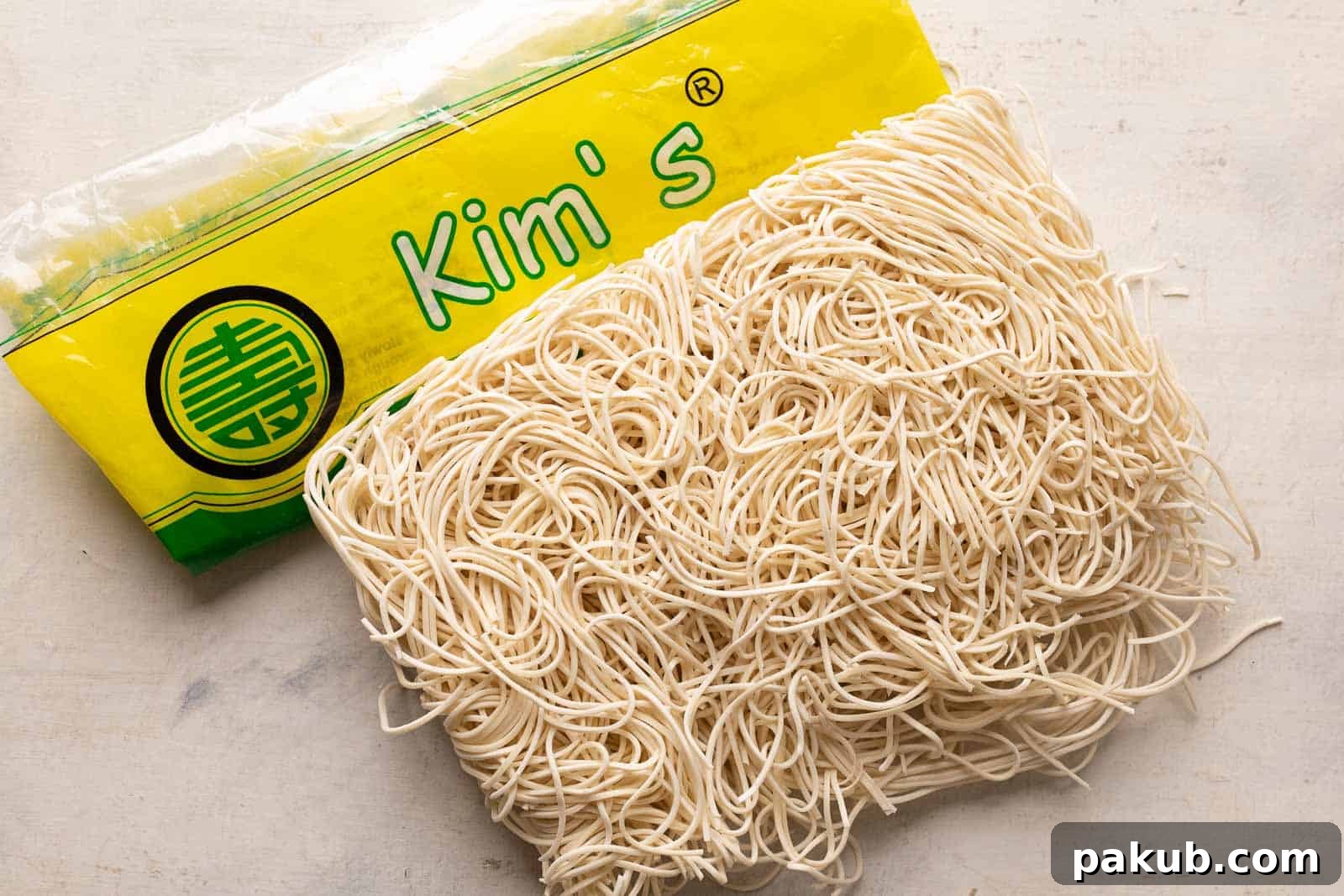
The journey to perfect crispy fried noodles begins with choosing the right type of noodle. While it might not be rocket science, this initial selection significantly impacts the final texture and success of your dish. We recommend opting for thin to medium-thickness egg or vegetarian Hakka noodles. These varieties are commonly available in most Asian grocery stores or the international food aisles of larger supermarkets. Lo Mein noodles also work exceptionally well, as do certain brands of ramen noodles (just remember to discard the seasoning packets).
The key characteristic to look for is a noodle that isn’t too thick or too delicate. Avoid robust, thicker varieties such as Udon noodles; their density means they absorb too much moisture and struggle to crisp up evenly. Similarly, delicate rice noodles, while wonderful in other applications, tend to become overly brittle or disintegrate during the deep-frying process, failing to achieve that satisfying, airy crunch we’re aiming for. Stick with wheat-based noodles that are designed to hold their structure and become beautifully crisp when fried.
Step 2: Mastering the Al Dente Boil
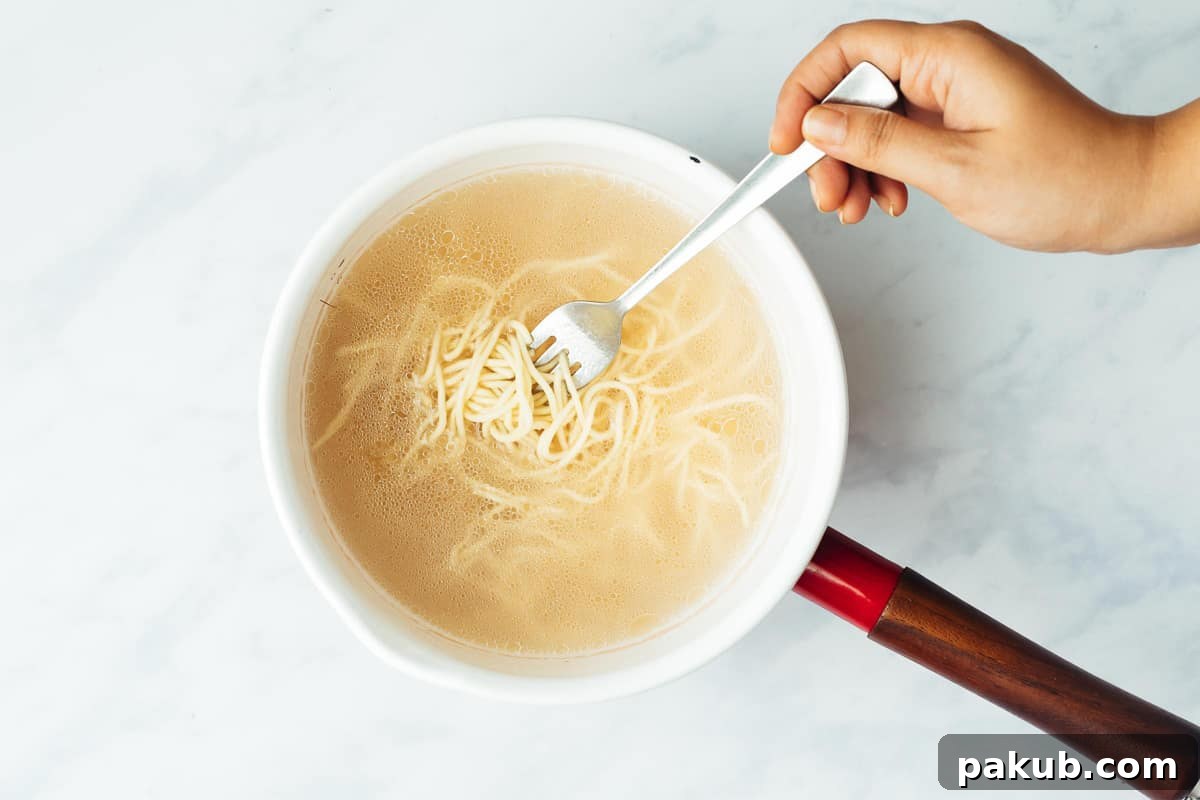
Boiling your noodles correctly is a pivotal precursor to deep-frying and is often where many go wrong. Begin by bringing a large pot of water to a rolling boil. Add a generous tablespoon of salt to the water, which seasons the noodles from within, and a teaspoon of neutral oil (like canola or vegetable oil) to help prevent them from sticking together during the boil. Once the water is vigorously boiling, add your chosen noodles.
The secret here is to cook the noodles until they are “al dente”—meaning they should be firm to the bite, cooked through but still retaining a slight chewiness, not soft or mushy. A reliable method to ensure this is to subtract approximately 60 to 90 seconds from the minimum cooking time indicated on the noodle package. For instance, if your noodle packet suggests a 3-minute boil, aim to cook them for just 2 minutes. This slight undercooking is absolutely crucial because the noodles will continue to cook and expand further once they hit the hot oil during deep-frying. Overcooked noodles, on the other hand, will become saturated with oil, turn soggy, and likely crumble instead of achieving that beautiful, separate crispness.
Step 3: Immediate Draining and Cold Rinse
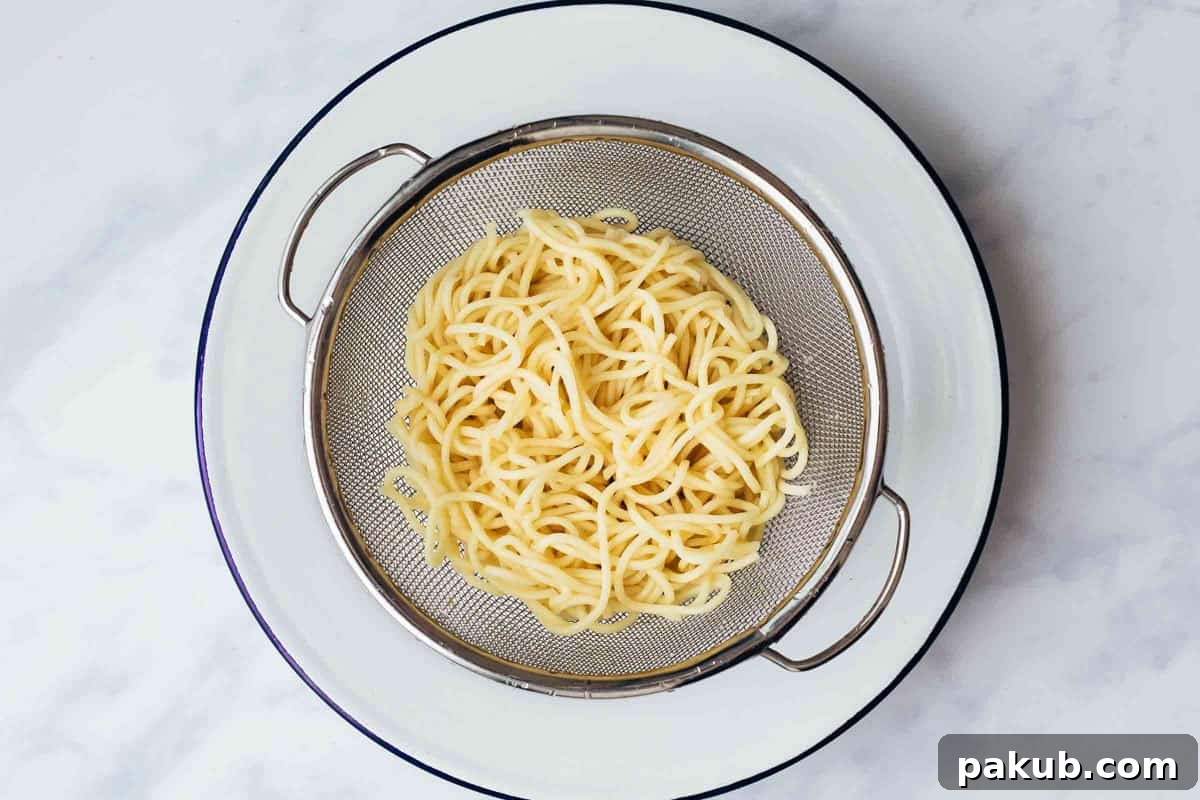
Once your noodles have reached their perfect al dente stage, speed is of the essence. Immediately drain them into a colander, shaking off as much hot water as possible. This immediate removal from the hot water is critical to halt the cooking process and prevent them from becoming overcooked and soft. However, draining alone isn’t enough.
The next, equally important step, is to rinse the drained noodles thoroughly under cold running water. This “cold shock” serves a dual purpose: it completely stops any residual cooking from the hot noodles, and more importantly, it washes away any excess surface starch. If left on, this starch can cause the noodles to stick together, resulting in clumps rather than individual, crispy strands when fried. The cold rinse ensures each noodle remains separate, making them far easier to air dry, coat, and ultimately fry to an even, individual crispness.
Step 4: Air Dry for Ultimate Crispness
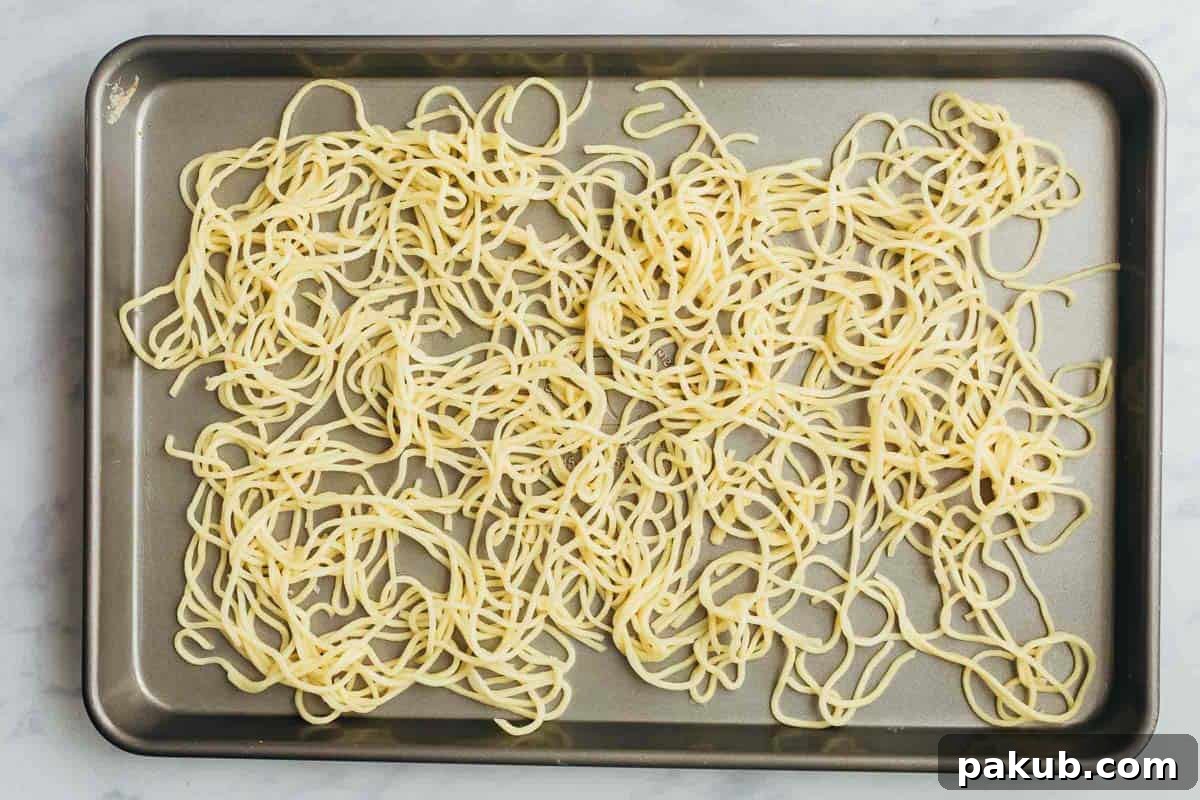
After the crucial draining and cold-rinsing steps, the next objective is to eliminate as much moisture from the noodles as possible. Excess water is the arch-nemesis of crispiness and poses a significant safety hazard, causing hot oil to splutter violently during frying. To achieve optimal dryness, spread the thoroughly drained and rinsed noodles in a single, thin, and even layer over a large baking sheet lined with parchment paper or a clean kitchen towel. It’s important to avoid piling them up, as this hinders air circulation and even drying.
Allow the noodles to air dry for a minimum of 30 minutes. In humid environments, or if you have the time, extending this drying period to an hour or more will yield even better results. You can also gently pat the noodles with another clean towel to absorb additional surface moisture, but be careful not to mash or tangle them. This dedicated drying time is absolutely essential: the less moisture the noodles retain, the less they will splutter in the hot oil, and the crisper, lighter, and less greasy your final fried noodles will be.
Step 5: Dust with Cornflour for Enhanced Texture
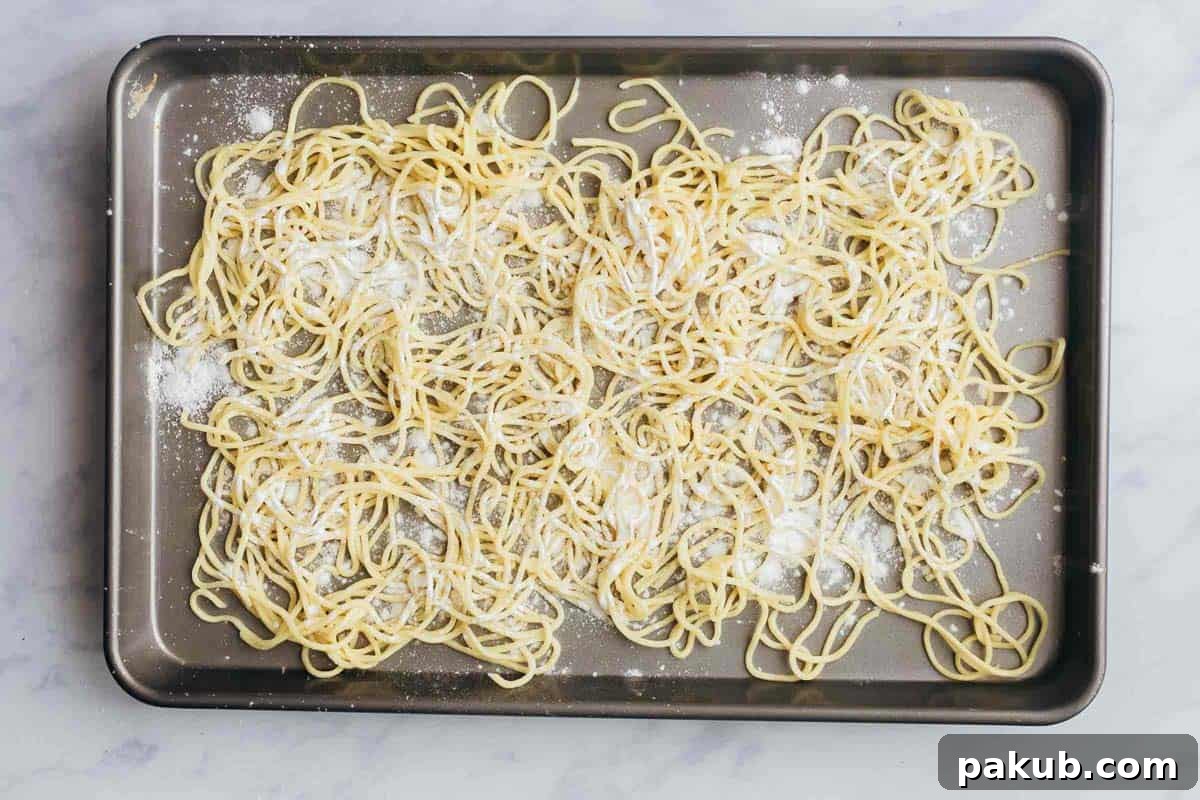
Once your noodles are adequately air-dried and feel almost dry to the touch, it’s time for another secret ingredient that guarantees maximum crispiness: cornflour, also known as cornstarch. Lightly sprinkle about two tablespoons of cornflour over the spread-out noodles. Then, gently toss them, ensuring each individual strand receives a light, even coating. The cornflour is a multi-tasking hero in this recipe.
Firstly, it acts as a final moisture absorber, soaking up any residual dampness that might have escaped the air-drying process. This is crucial for preventing oil spluttering and ensuring a perfectly dry surface for frying. Secondly, the cornflour creates a very thin, delicate starchy layer around each noodle. When this coating hits the hot oil, it fries up incredibly crisp, contributing significantly to that sought-after golden-brown color and delightfully airy texture. It also helps to prevent the noodles from clumping together in the hot oil, ensuring that you achieve those beautifully separated, crunchy strands every single time. Remember, a light, even dusting is key – don’t overcoat them.
Step 6: Deep Fry to Golden Perfection
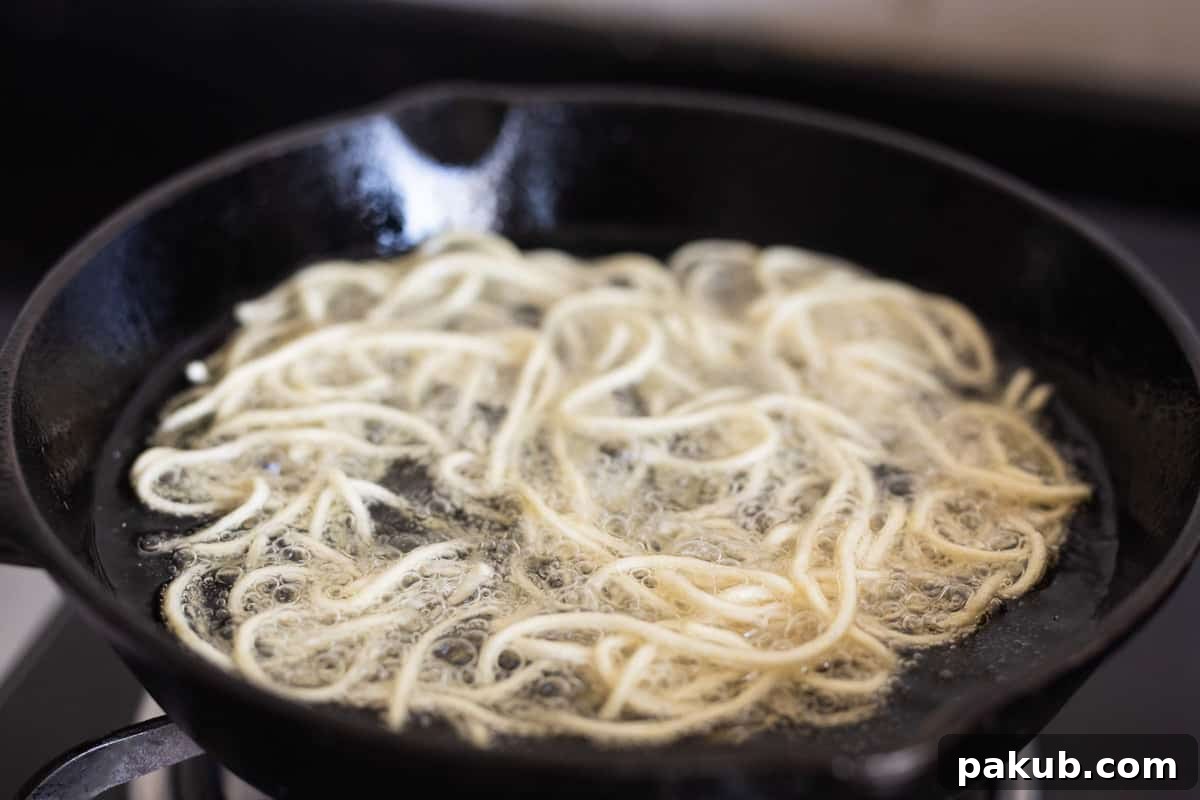
With your perfectly prepared noodles, it’s time for the final, most exciting step! Heat a generous amount of neutral-flavored oil—such as canola, vegetable, or peanut oil—in a wide, heavy-bottomed skillet, a Dutch oven, or a deep frying pan. A cast-iron skillet is highly recommended as it excels at retaining and distributing heat evenly, which is vital for consistent frying. Aim to heat the oil to an ideal temperature of approximately 350°F (175°C – 180°C).
If you don’t own a kitchen thermometer, you can easily test the oil’s readiness: insert a wooden chopstick or the handle of a wooden spoon into the oil. If small, steady bubbles immediately form and stream around the wood, your oil is at the correct temperature. Maintain the heat at a medium-high setting throughout the frying process. If the oil is too cool, the noodles will soak up too much fat and become greasy; if it’s too hot, they’ll burn on the exterior before crisping thoroughly on the inside.
Carefully add a handful of the cornflour-dusted noodles to the hot oil, gently spreading them out to form a thin, single layer. It is critically important to avoid overcrowding the pan, as this will drastically lower the oil’s temperature, leading to soggy, unevenly fried, and often clumpy noodles. Fry in small batches to ensure optimal results. Allow the noodles to fry for 2-3 minutes, gently turning them with tongs or a spider strainer, until they achieve a beautiful, deep golden-brown color and are visibly light and crispy. Once golden and perfectly crisp, promptly remove them from the oil and transfer them to a plate generously lined with several layers of paper towels to drain any excess oil. This final draining step is essential for maintaining their crispness and preventing greasiness.
Storage and Smart Serving Tips
After deep-frying, allow your crispy noodles to cool completely on the paper towel-lined plate. This crucial cooling period helps any residual oil drain away and further enhances their crisp texture. Once thoroughly cooled, transfer the noodles to an airtight container. When stored properly at room temperature, these delicious homemade crispy fried noodles will maintain their incredible crunch for up to 10 days, making them ideal for convenient meal prep or whenever an instant craving strikes.
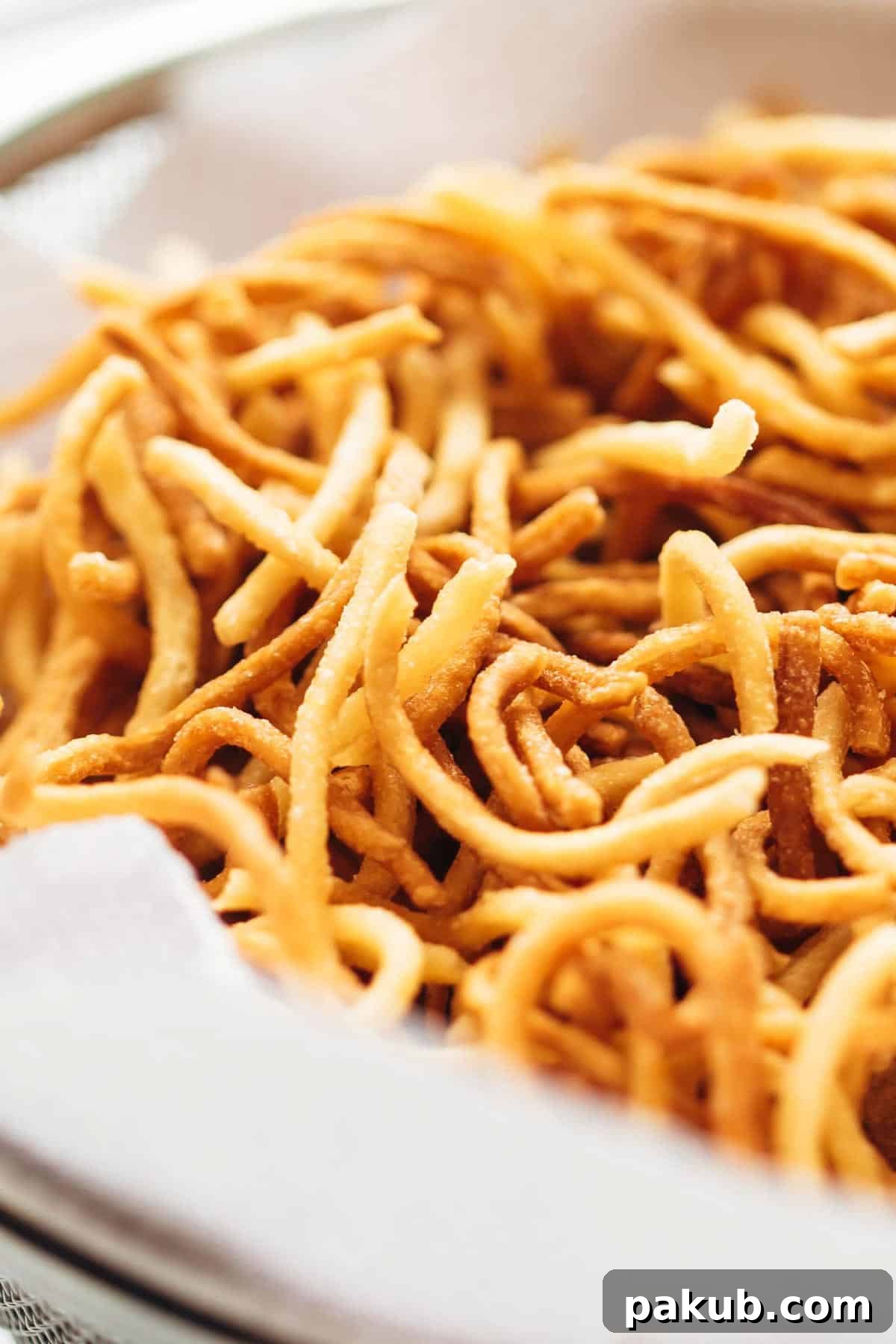
Congratulations! You have now mastered the art of making your very own batch of perfectly crispy fried noodles. This simple yet effective recipe yields results that are far superior in flavor and texture to any store-bought alternative. We encourage you to make a generous batch to keep on hand; they are an extraordinary addition to countless dishes. Whether you use them to add a delightful crunch to your favorite Chinese soups, elevate vibrant salads, or serve them as a textural contrast alongside various Chinese stir-fries, these homemade crispy noodles are sure to impress. Elevate your home cooking with this versatile and indispensable Asian pantry staple!
Elevate Your Meals: Serving Suggestions
Crispy fried noodles are far more than just a garnish; they are a versatile ingredient capable of transforming an ordinary meal into an extraordinary culinary experience. Their unique texture and subtle flavor complement a wide array of dishes. Here are some popular and creative ways to incorporate them into your daily cooking:
- Classic Asian Soups: This is arguably their most iconic pairing! Sprinkle these golden strands generously over your favorite Chinese Hot and Sour Soup with Ramen, a hearty Homemade Chicken Manchow Soup, or any other Asian-inspired broth-based soup. The contrast between the warm, savory broth and the cool, crispy noodles is truly irresistible.
- Crunchy Salads: Add an amazing textural element to various salads. They are an absolute must-have for the classic Crunchy Chinese Chicken Salad or any fresh green salad that features an Asian-inspired dressing. Their crunch provides a delightful counterpoint to softer greens and proteins.
- Stir-fries & Main Courses: Instead of serving your stir-fries with plain steamed rice or soft noodles, use crispy fried noodles as a unique and delicious crunchy base. The textural interplay between tender stir-fried vegetables and proteins and the crispy noodles is a delightful surprise. They also make a fantastic accompaniment to dishes like Crispy Tofu Broccoli Stir Fry.
- American Chopsuey: Traditionally, American Chopsuey is served over a generous bed of crispy noodles, which soak up the rich sauce while retaining a pleasant crunch.
- Quick Snack: Lightly seasoned with just a pinch of salt after frying, these noodles are delicious enough to be enjoyed entirely on their own as a simple, satisfyingly crunchy snack.
- Wraps, Rolls & Bowls: Crush them slightly and sprinkle them into your homemade wraps, fresh spring rolls, or vibrant Buddha bowls for an unexpected burst of texture and flavor.
- With Dips: Serve them as a unique dipping accompaniment alongside your favorite Asian-inspired sauces, such as sweet chili sauce, hoisin, or a creamy peanut sauce.
Pair Your Crispy Noodles with These Delicious Recipes:
Fast & Easy Dinners
Chinese Hot and Sour Soup with Ramen
Healthy Recipes
Homemade Chicken Manchow Soup
Chicken
Crunchy Chinese Chicken Salad
Vegetarian Recipes
Crispy Tofu Broccoli Stir Fry
LOVE THIS RECIPE? Don’t miss out on more delightful culinary creations and expert tips! Subscribe to our newsletter and be the first to receive all new recipes and exclusive content directly in your inbox!
How to Make Crispy Fried Noodles at Home
By: Richa
Unlock the secret to perfect restaurant-style crispy fried noodles with this easy, step-by-step recipe. These golden, crunchy noodles are fantastic as a topping for Chinese soups, a crunchy component in Asian salads, a delicious base for American chopsuey, or served simply alongside your favorite sweet and sour chicken.
Prep Time: 15 mins
Cook Time: 10 mins
Total Time: 25 mins
Yields: 6 portions
Pin Recipe |
Rate Recipe |
Print Recipe
Ingredients
- 150 grams Hakka Noodles or Lo Mein Noodles (thin to medium thickness for best results)
- 1 tablespoon Salt (for boiling water)
- 2 tablespoons Cornflour (cornstarch)
- 1.5 cups Canola Oil for frying, or any neutral flavored vegetable oil like peanut or sunflower oil
Instructions
- Boil Noodles to Al Dente: In a large pot, bring plenty of water to a rolling boil. Add 1 tablespoon of salt and a teaspoon of neutral oil. Add the noodles and boil until just al dente. A good rule of thumb is to cook them 60-90 seconds less than the package instructions. This ensures they don’t overcook during frying.
- Drain and Rinse Immediately: Promptly drain the cooked noodles in a colander. Immediately rinse them thoroughly under cold running water to stop the cooking process and wash away any excess starch, preventing them from sticking together.
- Air Dry Thoroughly: Spread the rinsed noodles in a single, even layer on a baking sheet lined with parchment paper or a clean kitchen towel. Allow them to air dry for at least 30 minutes (or longer in humid conditions) to remove as much moisture as possible. This step is crucial for crispiness and preventing oil spluttering.
- Dust with Cornflour: Once the noodles are adequately dry, sprinkle them evenly with 2 tablespoons of cornflour. Toss gently to ensure each strand is lightly coated. The cornflour absorbs any remaining moisture and creates a crisp coating during frying.
- Heat Oil to Proper Temperature: Heat 1.5 cups of canola oil (or your chosen neutral oil) in a wide, heavy-bottomed skillet or frying pan to 350°F (175°C – 180°C). If you don’t have a thermometer, test the oil by dropping a tiny piece of noodle; it should sizzle vigorously and float to the surface immediately.
- Deep Fry in Batches: Maintain the oil heat at medium-high. Carefully add a handful of the cornflour-dusted noodles to the hot oil, spreading them out evenly. Do not overcrowd the pan, as this will drop the oil temperature and lead to greasy, soggy noodles. Fry for 2-3 minutes, gently turning, until they are a beautiful deep golden brown and audibly crispy. Repeat with remaining noodles.
- Drain and Cool: Using a spider strainer or slotted spoon, remove the fried noodles from the oil and transfer them to a plate lined with several layers of paper towels to drain excess oil. Let them cool completely before using or storing. Once cooled, store in an airtight container at room temperature for up to 10 days.
Chef’s Notes for Perfect Crispy Noodles:
- It is critically important to undercook the noodles slightly when boiling. Overcooked noodles retain more moisture, which causes them to disintegrate during frying and results in a greasy, rather than crispy, texture.
- Always run the cooked noodles under cold water immediately after draining. This sudden temperature change (cold shock) effectively stops the cooking process and helps remove excess starch, preventing the noodles from sticking together.
- Spread out the noodles as much as possible over a clean kitchen towel or parchment paper for air drying. You can gently pat them dry with another towel, but avoid mashing them, which could break their structure.
- Do not skip the cornflour (cornstarch) dusting. This step is essential; the cornflour absorbs any remaining moisture and creates a delicate, extra-crispy exterior when the noodles are fried.
- Exercise extreme caution when adding noodles to hot oil. Even with thorough drying and cornflour, some residual moisture might be present, which will cause the oil to bubble vigorously. Use tongs and protective mitts if necessary to prevent burns.
- Always fry in small batches to prevent overcrowding and ensure the oil temperature remains consistent. Overloading the pan will significantly drop the oil temperature, leading to heavy, oily, and less crispy noodles.
Nutrition Information (per serving)
Calories: 136 kcal
Carbohydrates: 20g
Protein: 2g
Fat: 5g
Saturated Fat: 1g
Polyunsaturated Fat: 1g
Monounsaturated Fat: 3g
Trans Fat: 1g
Sodium: 1239mg
Potassium: 1mg
Fiber: 1g
Calcium: 1mg
Iron: 1mg