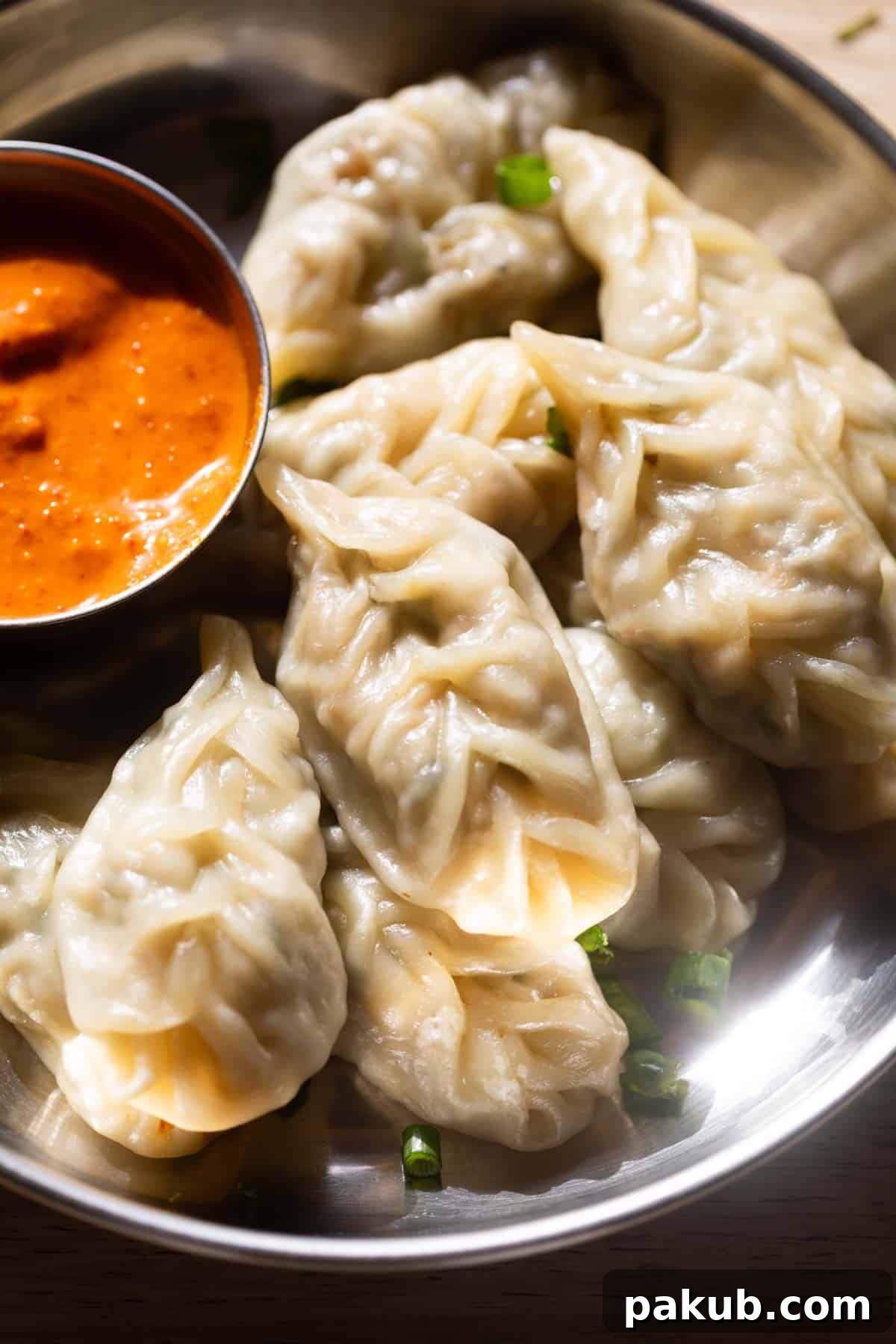
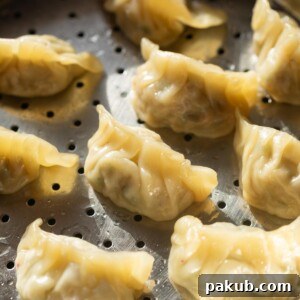
Prepare for a culinary revelation! These incredible veg momos, featuring a tender, juicy soya filling, are so irresistibly delicious that even the most dedicated meat-momo enthusiasts will fall head over heels for them ❤️🔥
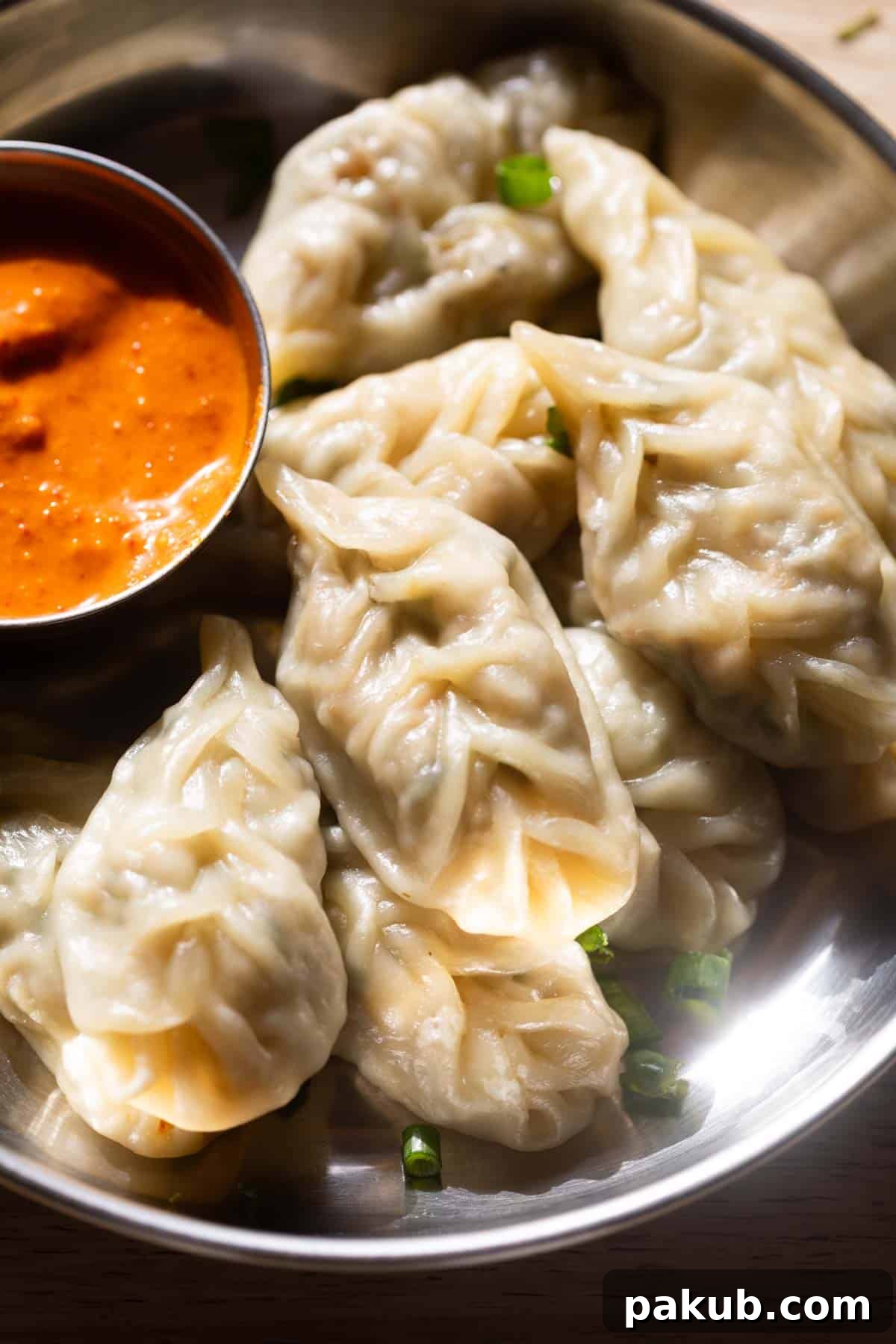
As a true admirer of momos in all their glorious forms, shapes, and preparations, I must confess that traditional cabbage-only vegetarian momos were never my favorite. There was always something missing – a certain depth of flavor, a satisfactory texture – that left me longing for more. For the longest time, I proudly declared myself a member of “Team Chicken Momos.” However, that all changed with this extraordinary recipe, which utterly transformed my perception of what a vegetarian momo could be.
This isn’t just another veg momo recipe; it’s a game-changer. What sets it apart is the ingenious use of a flavorful vegetable and soya granule filling. The soya granules are the secret ingredient, not only adding a wonderful texture and a significant protein boost but also ensuring the filling remains incredibly juicy and succulent with every single bite. The combination delivers an explosion of taste that truly satisfies. I love serving these delectable steamed dumplings with my homemade Schezwan sauce and chilli oil, providing that perfect spicy kick that elevates the entire experience. Trust me, once you experience vegetarian momos crafted this way, you’ll never look back at those plain veggie versions again!
Table of Contents: Homemade Soya Veg Momos
- The Allure of Momos
- Ingredients for Perfect Momos
- Crafting the Momo Dough
- Preparing the Juicy Soya Filling
- Mastering the Art of Momo Wrapping
- Steaming Your Momos to Perfection
- Richa’s Top Tips for Momo Success
- Storage and Reheating Tips
- Serving Suggestions for Your Veg Momos
- Full Recipe Card: Soya Veg Momos
- Watch Our Veg Momos Recipe Video
The Allure of Momos: A Culinary Journey
Momos are more than just dumplings; they are a cultural phenomenon, a beloved street food, and a comfort meal for millions across Nepal, Tibet, Bhutan, and various regions of India. Traditionally, momos are steamed dumplings filled with minced meat (often buffalo, pork, or chicken) or vegetables. Their charm lies in their delicate wrapper, savory filling, and the delightful burst of flavor with every bite, often enhanced by a fiery dipping sauce. While meat momos have long dominated the scene, the quest for a truly satisfying vegetarian alternative has led to many innovations. This soya-filled recipe is one such triumph, offering a rich, umami experience that rivals its meaty counterparts, making it a fantastic choice for vegetarians and meat-eaters alike.
Ingredients for Perfect Momos
Crafting these exquisite momos requires a few simple ingredients for both the wrapper and the filling. Here’s a detailed look at what you’ll need and why each component is crucial:
For the Dough (Momo Wrapper)
- All-Purpose Flour (Maida): This is the foundation of your momo wrappers. All-purpose flour is preferred over whole wheat flour because its higher gluten content contributes to a pliable, elastic dough that is easy to roll out incredibly thin. This thinness is key to achieving a delicate, non-doughy wrapper that enhances the filling.
- Oil: A small amount of neutral-flavored oil (like sunflower, canola, or rice bran) is essential. It helps keep the dough moist and flexible, preventing it from drying out and making it easier to handle during rolling and pleating.
- Lukewarm Water: This is a critical ingredient. Using lukewarm water, rather than cold or hot, helps activate the gluten in the flour without cooking it. This results in a soft, smooth, and very pliable dough that stretches easily without tearing, which is ideal for creating translucent momo wrappers.
- Salt: For seasoning the dough, adding a subtle flavor to the wrapper itself.
- Cornflour (for dusting): Used sparingly for dusting your work surface and dough if it becomes slightly tacky. This prevents sticking without adding excess flour that could make the wrappers tough.
For the Flavorful Soya & Veg Filling
- Assorted Vegetables: A medley of finely chopped carrots, mushrooms, onions, cabbage, and celery forms the vibrant, nutrient-rich base of our filling. These vegetables provide texture, natural sweetness, and essential nutrients.
- Soya Granules (Textured Vegetable Protein – TVP): The star of our vegetarian filling! Soya granules are fantastic for adding a meaty texture and absorbing flavors beautifully. Crucially, they retain moisture exceptionally well after hydration, ensuring your momos are incredibly juicy and never dry. They also pack a powerful protein punch, making these momos a satisfying and nutritious meal.
- Soy Sauce: Contributes a deep umami flavor and essential saltiness, balancing the sweetness of the vegetables.
- Other Flavor Enhancers: Salt, sugar, and freshly grated ginger and garlic are indispensable. Ginger and garlic provide an aromatic foundation and pungent warmth, while a touch of sugar balances the savory notes and enhances overall flavor. Pepper adds a gentle heat.
Crafting the Momo Dough
A perfect momo begins with a perfect wrapper. Making the dough is simpler than you might think, but attention to detail ensures a pliable, thin casing that holds its shape and cooks beautifully.
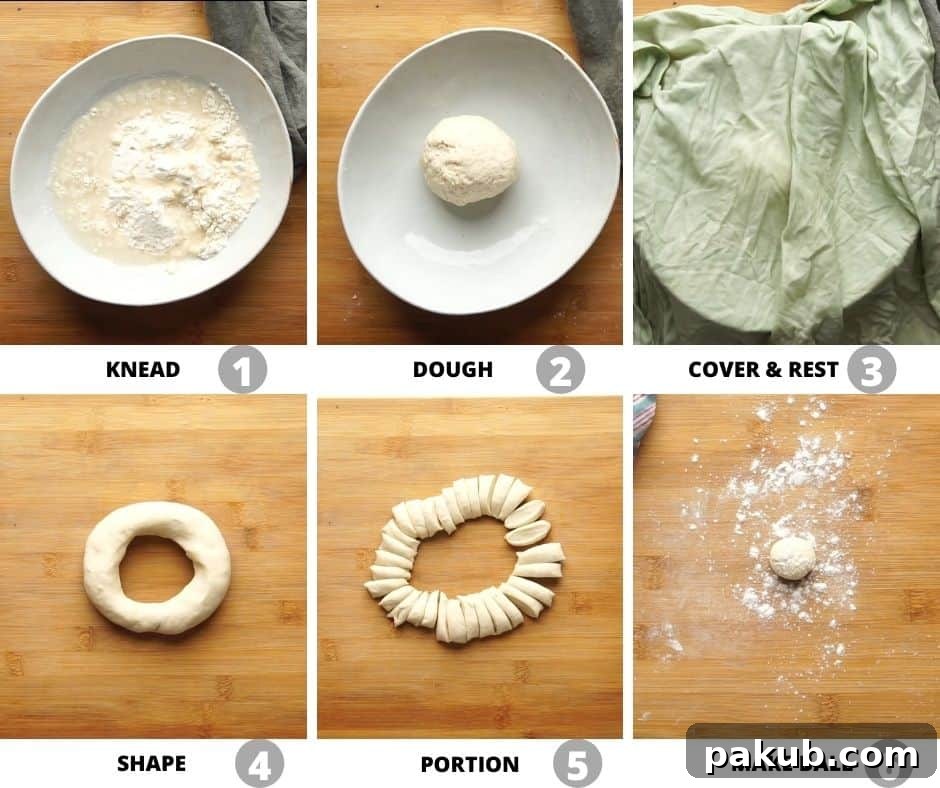
- In a large mixing bowl, combine the all-purpose flour, salt, and oil. Begin to incorporate the lukewarm water gradually, stirring with a wooden spoon or your hands. The goal is to bring the dough together until no dry spots of flour remain. Avoid over-kneading at this initial stage.
- Once the dough forms a shaggy ball, cover the bowl with a damp towel and let it rest for 5 minutes. This brief rest allows the gluten to start relaxing.
- After the initial rest, transfer the dough to a clean counter. Knead it gently for about 2 to 3 minutes until it becomes smooth and elastic. The dough should be slightly tacky but not sticky enough to cling to your hands. You typically won’t need to dust the surface with flour unless it’s excessively sticky.
- Return the smooth dough to the bowl, cover it again with a damp towel, and allow it to rest for another 10 minutes. This second rest is crucial as it further develops the gluten, making the dough incredibly pliable and easy to roll out very thinly – a hallmark of excellent momos.
Preparing the Juicy Soya Filling
The heart of these momos lies in their incredibly flavorful and moist filling. The combination of finely chopped vegetables and rehydrated soya granules creates a texture and taste sensation that is simply unmatched.
- First, prepare your soya granules: Soak ½ cup of soya granules in 1 cup of boiling water for 10-15 minutes until fully hydrated and plump. Once soft, drain them thoroughly and squeeze out as much excess water as possible. This step is vital to prevent a watery filling.
- Heat 1 tablespoon of oil in a wok or a heavy-bottomed pan over high heat. Once shimmering, add the finely chopped ginger, garlic, celery, and onions. Sauté briskly until the onions become translucent and fragrant.
- Reduce the flame to medium-high and add the finely chopped cabbage, carrots, and mushrooms. Sauté for about 3 minutes, allowing the vegetables to soften slightly but still retain a bit of their crunch.
- Stir in the rehydrated soya granules and sauté for another minute, ensuring they are well combined with the vegetables.
- Add the soy sauce and a pinch of sugar, stirring well to distribute the flavors. Season the mixture with salt and pepper to taste.
- Remove the filling from the flame and spread it out on a plate to cool completely. It’s crucial for the filling to be cool before stuffing the momos, as warm filling can make the dough difficult to handle and prone to tearing.
Mastering the Art of Momo Wrapping
Wrapping momos can seem intimidating at first, but with a little practice, you’ll be creating beautifully pleated dumplings in no time. The key is to keep the wrappers thin and the edges well-sealed.
- Once your dough has rested, divide it into two equal portions. Roll one portion into a long, even cylinder on a lightly floured countertop. Cut this cylinder into small pieces, each weighing approximately 9 grams, or about ½ tablespoon of dough. These small pieces will ensure uniform momo size.
- Prepare your workspace: have a lightly greased plate or a sheet of parchment paper ready to place your stuffed momos, along with a damp towel to cover them. This prevents them from drying out.
- Take each small piece of dough and roll it into a smooth ball. Using the fleshy part of your palm, gently flatten each ball into a disc. Then, using a rolling pin, roll out each disc into a very thin, round wrapper. Aim for wrappers that are thin enough to be slightly translucent; thicker wrappers can result in a doughy taste. Roll them as thinly as you comfortably can.
- Place about a tablespoon of the cooled vegetable and soya filling in the center of the rolled-out wrapper.
- Now for the shaping: bring the edges of the wrapper together, creating small pleats with your thumb and forefinger around the circumference, gradually sealing the filling inside. Pinch the pleats firmly to create a secure seal. If the edges seem dry, dampen your fingertip with a tiny bit of water and apply it along the edges to help them stick. You can refer to the video for a visual guide on various pleating techniques.
- As you finish each momo, place it on your greased plate or parchment paper, ensuring they don’t touch each other, and immediately cover them with the damp cloth to prevent drying. Repeat this process until all the dough and filling are used.
Steaming Your Momos to Perfection
Steaming is the traditional and most common way to cook momos, ensuring they are tender and moist. Proper steaming technique is crucial for achieving that perfect texture.
- Fill the bottom pot of your steamer with water and bring it to a rolling boil over medium-high heat.
- Lightly grease the steamer plates or baskets with a little oil to prevent the momos from sticking.
- Carefully arrange the stuffed momos on the greased steamer plate, ensuring there is enough space between each momo. They will expand slightly during steaming, and overcrowding will cause them to stick together, making them difficult to remove without tearing.
- Brush the top of each momo with a tiny bit of oil. This helps keep the wrappers soft and prevents them from drying out during steaming.
- Cover the steamer with its lid and steam the momos for approximately 14 minutes over medium heat. The cooking time may vary slightly depending on the size of your momos and the efficiency of your steamer.
- To check for doneness, the momo skin should appear slightly transparent and feel non-sticky to the touch. If they still feel sticky or look opaque, steam for another minute or two.
- Once cooked, remove the steamer from the heat and let the momos rest, covered, for about 5 minutes. This allows them to firm up slightly and makes them easier to handle. Serve immediately while hot!
Richa’s Top Tips for Momo Success
- Thin Wrappers are Key: Always aim to roll your momo dough as thinly as possible. This prevents them from tasting overly doughy and ensures a delicate, pleasant texture. Think translucent!
- Customize Your Stuffing Wisely: Feel free to experiment with the vegetables in your filling based on what you love or have on hand. However, steer clear of high-water content vegetables like cucumbers or tomatoes in the raw filling, as they can release too much moisture during steaming and cause the momos to break.
- Avoid Overcrowding the Steamer: Give your momos space! They expand when cooked, and if they’re packed too closely, they will stick together, making removal difficult and potentially tearing the delicate wrappers. Steam in batches if necessary.
- Check for Doneness: A perfectly steamed momo will have a slightly transparent, non-sticky skin. If they feel tacky, give them another minute or two in the steamer.
- Work Smart, Not Hard: It’s generally best to roll one wrapper, stuff it, and then move on to the next. If you roll all the wrappers at once, they tend to dry out quickly, making them difficult to seal and prone to cracking. Keep unused dough covered with a damp cloth.
Storage and Reheating Tips
Momos are always best fresh, but here’s how to store and reheat them:
- Cooked Momos (Fridge): If you have leftover cooked momos, allow them to cool completely to room temperature. Store them in an airtight container in the refrigerator for up to one day. Cooked momos can dry out quickly, so it’s best to consume them as soon as possible.
- Reheating Cooked Momos: To refresh cooked momos, steam them for 3-5 minutes until they are soft and heated through. Avoid microwaving, as this tends to make the wrappers chewy and rubbery.
- Uncooked Momos (Freezer): Wrapped but uncooked momos can be frozen for longer storage. Arrange them in a single layer on a parchment-lined tray and freeze until solid. Once frozen, transfer them to an airtight container or freezer bag, separating layers with parchment paper, and store for up to 2 weeks. Steam from frozen, adding a few extra minutes to the cooking time.
Serving Suggestions for Your Veg Momos
Momos are incredibly versatile and pair wonderfully with a variety of dips and accompaniments. Here are some of my favorite ways to serve them:
- Classic Dips: Enhance your momos with bold dipping sauces. Sweet Chili Sauce offers a delightful balance of sweet and spicy, while Schezwan Chutney delivers an intense, fiery kick. For those who love a rich, garlicky heat, a good quality Chilli Oil is always an excellent choice.
- Hearty Soups: For a more substantial and comforting meal, serve your momos alongside a warming bowl of soup. Options like Eight Treasure Soup, a spicy and tangy Hot & Sour Soup, or a rustic Thukpa (Tibetan noodle soup) create a complete and satisfying experience, especially on a chilly day.
- Fresh Salads: For a lighter, refreshing contrast, pair your steamed momos with a crisp salad. This Three Bean Salad, with its vibrant flavors and textures, would make a fantastic accompaniment.
- Beyond Steamed: While steaming is traditional, you can also enjoy your momos pan-fried (known as Kothey), deep-fried for extra crispiness, or even submerged in a rich, savory broth to make Jhol Momos. Each method offers a unique textural experience.
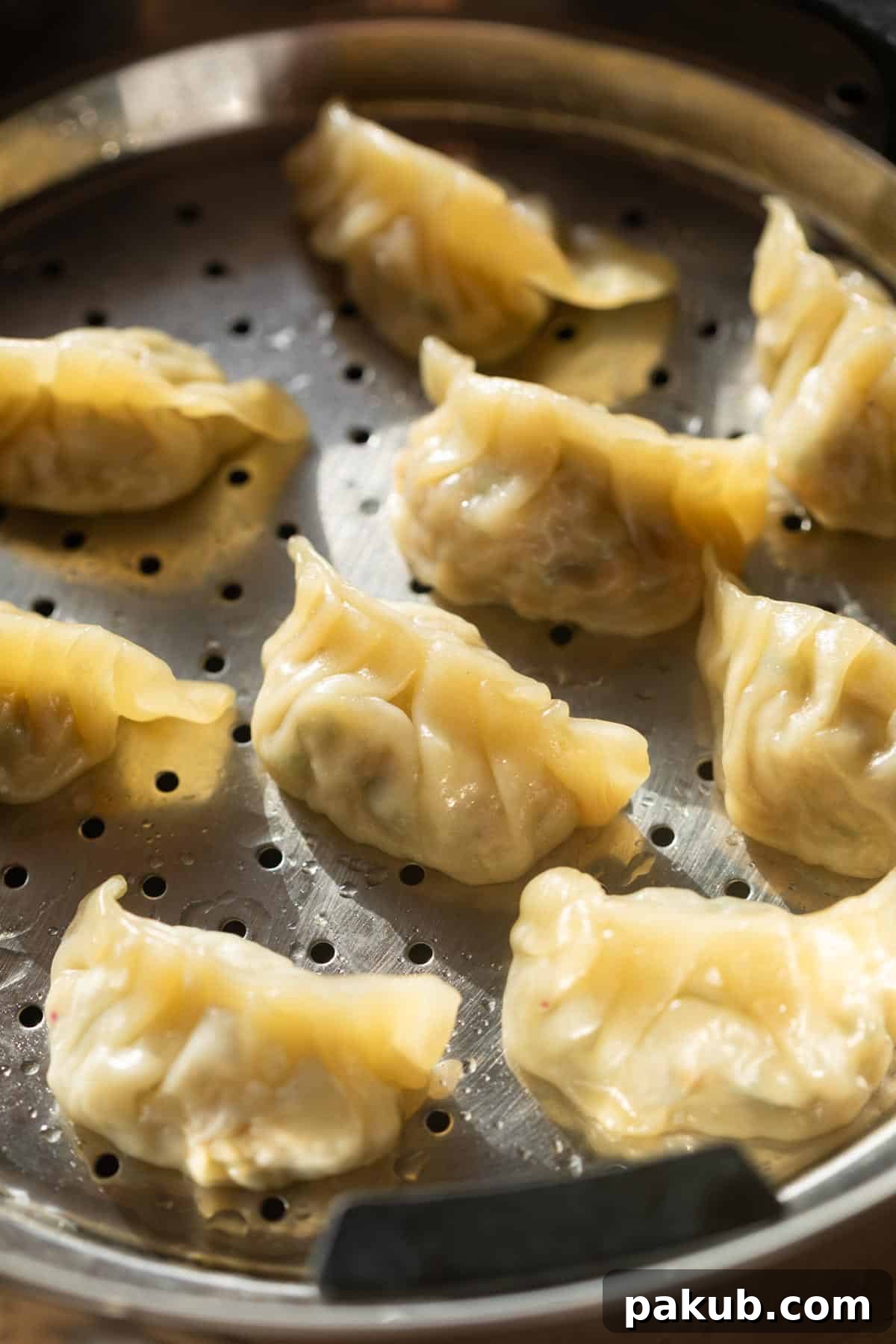
Imagine the delight on everyone’s faces when you present a platter of these homemade momos, tasting just like your favorite street-style treat! They’re perfect for family dinners, gatherings, or simply a comforting meal on a cozy evening.
If you embark on this culinary adventure and make these fantastic veg momos at home, I would absolutely love to see your creations! Do share your pictures with me over on Instagram @my_foodstory. Hearing from you and seeing your delicious results is always a joy! ❤️
Watch Our Veg Momos Recipe Video
For a visual guide to perfecting your momos, from dough preparation to wrapping and steaming, watch our detailed video:
Soya Veg Momos
By: Richa
These veg momos with a savory soya filling are easy to make, incredibly delicious, and guaranteed to impress. They’ll give your favorite restaurant’s momos a serious run for their money!
Prep Time: 15 minutes
Cook Time: 25 minutes
Rest Time: 20 minutes
Total Time: 1 hour
Yields: Approximately 22 momos
Equipment
- 1 steamer
Ingredients
Momo Wrapper
- 1 cup all-purpose flour (maida)
- ½ teaspoon salt
- 2 teaspoons sunflower oil (or any neutral-flavored oil like canola or rice bran)
- ¼ cup + 4 teaspoons lukewarm water (please stick to this accurate measurement for best results)
- 1-2 tablespoons cornflour for dusting (if needed)
Vegetarian Filling
- 1 tablespoon oil
- 2 teaspoons finely chopped garlic
- 1 teaspoon finely chopped ginger
- 2 tablespoons finely chopped celery
- ½ cup finely chopped onion
- ½ cup finely chopped cabbage
- ½ cup finely chopped carrot
- ¼ cup finely chopped mushrooms
- ½ cup hydrated soya granules (see note 1 below for hydration instructions)
- 1 teaspoon soy sauce
- ¼ teaspoon sugar
- ½ teaspoon salt
- ¼ teaspoon pepper
Instructions
Momo Wrapper Preparation
- Add the flour, salt, and oil to a mixing bowl. Gradually add lukewarm water and stir using a wooden spoon or your hands to combine until no dry spots remain. Do not over-knead at this stage; just bring the dough together. Cover with a damp towel and set aside for 5 minutes.
- After 5 minutes, place the dough on a counter and knead for 2 to 3 minutes until smooth and elastic. The dough should be slightly tacky but not sticky. Dust with cornflour only if necessary.
- Place the dough back into the bowl and cover with a damp towel to rest for another 10 minutes. This rest is essential for a pliable dough.
Vegetarian Filling Preparation
- Heat 1 tablespoon of oil in a wok or heavy-bottomed pan over high heat. Add ginger, garlic, celery, and onions, and sauté until the onions turn translucent and fragrant.
- Add cabbage, carrot, and mushrooms. Reduce the flame to medium-high and sauté for 3 minutes until softened slightly.
- Stir in the hydrated soya granules and sauté for another minute, ensuring they are well mixed with the vegetables.
- Add soy sauce and sugar, stirring to combine. Season with salt and pepper to taste.
- Remove the filling from the flame and set it aside to cool completely before using it to stuff the momos.
Wrapping and Pleating Momos
- Once the dough has rested, divide it into 2 parts. Roll one portion into a long cylinder on your countertop. Cut out small pieces of dough, each weighing approximately 9 grams (about ½ tablespoon).
- Prepare a greased plate or parchment paper to place the stuffed momos, and have a damp towel ready to cover them.
- Take each dough piece, roll it into a ball, and flatten it into a disc using your palm. Using a rolling pin, roll each disc into a very thin, round wrapper. Aim for slight translucency, as thicker wrappers will taste doughy.
- Place about a tablespoon of the cooled filling in the center of the rolled-out wrapper. Shape and seal the wrappers by creating pleats (refer to the video for various techniques). To ensure a proper seal, apply a little water along the edges with your fingertip.
- Place each stuffed momo on the greased plate and cover immediately with the damp cloth to prevent drying.
Steaming Momos
- Bring water to a boil in your steamer. Lightly grease the steamer plate.
- Arrange the stuffed momos on the greased steamer plate, ensuring they do not touch each other to prevent sticking. Brush each momo lightly with oil to ensure they cook to be soft.
- Cover the steamer with its lid and cook for 14 minutes over medium flame.
- Rest the steamed momos for 5 minutes, then carefully remove them from the steamer and serve immediately with your favorite dipping sauce.
Video
Notes
- To hydrate soya granules: Soak ½ cup of soya granules in 1 cup of boiling water for 10-15 minutes. Drain thoroughly and squeeze out all excess water before using them in the filling.
- Let the dough rest for at least 10 minutes after kneading for the best pliable texture.
- It’s most effective to roll each momo wrapper individually, stuff it with filling, and then roll the next wrapper.
- If you roll all the wrappers at once, they can dry out very quickly, making them challenging to shape and seal properly.
- Uncooked, wrapped momos can be stored frozen for up to 2 weeks in an airtight container, with parchment paper separating each layer. Steam directly from frozen, adding a few extra minutes to the cooking time.
Nutrition
Per Momo (approximate values):
- Calories: 42 kcal
- Carbohydrates: 6g
- Protein: 2g
- Fat: 1g
- Saturated Fat: 0.1g
- Polyunsaturated Fat: 0.2g
- Monounsaturated Fat: 1g
- Trans Fat: 0.003g
- Sodium: 117mg
- Potassium: 32mg
- Fiber: 1g
- Sugar: 1g
- Vitamin A: 491 IU
- Vitamin C: 1mg
- Calcium: 12mg
- Iron: 1mg
This article was researched and written by Urvi Dalal.