Unlock the full potential of your kitchen with the ultimate guide to air frying! If you’ve been wondering why air fryers are creating such a buzz, you’re in the right place. We’re diving deep into the world of air frying, answering all your burning questions to help you make an informed decision and master this versatile appliance.
In recent years, the air fryer has soared in popularity, transforming kitchens and cooking habits worldwide. What started as a niche appliance for “frying” without excessive oil has evolved into a versatile culinary workhorse capable of much more. Whether you’re a seasoned chef or a beginner cook, the promise of healthier, faster, and crispier meals makes the air fryer an incredibly appealing addition to any home. The sheer volume of chatter about air fryers – from enthusiastic home cooks to professional food bloggers – proves that this isn’t just a fleeting trend.
As a passionate advocate and true Air Fryer convert myself, I’ve experienced firsthand the incredible convenience and delicious results this appliance offers. My journey with air frying began with curiosity, evolved into extensive experimentation, and culminated in creating an entire Air Fryer Series and even a dedicated Air Fryer Recipes E-Book. Before all that, however, I was just like many of you – wondering which model to buy and if it was truly worth the investment. This article is designed to share those insights, helping you navigate the world of air fryers with confidence. We’ll cover everything from selection to cleaning, ensuring you get the most out of this revolutionary kitchen gadget.
Jump to Section: Air Fryer Mastery – Your Comprehensive FAQ
- Air Fryer – Frequently Asked Questions
- The Unique Advantages of Air Fryers
- Mastering Air Fryer Cooking Times and Temperatures
- Essential Air Fryer Maintenance for Longevity
- Achieving Perfectly Juicy Meats in Your Air Fryer
- Air Fryer Safety and Health Benefits
- Troubleshooting Common Air Fryer Issues
- Optimizing Flavor and Texture with the Right Oils
Air Fryer – Frequently Asked Questions
Let’s dive into the most common inquiries about air fryers, addressing concerns and providing practical advice based on real-world experience.
- Should we get an air fryer if we already have a convection microwave?
While a convection microwave can certainly brown and crisp food using circulating hot air, an air fryer offers distinct advantages that often make it a worthwhile addition, even if you own a convection microwave. Air fryers are specifically engineered for maximum airflow and rapid heating. This specialized design means they generally heat up much faster and cook food more evenly, delivering significantly crispier results with less effort. The powerful, focused air circulation in an air fryer is optimized for achieving that desirable golden-brown exterior and tender interior, mimicking deep-frying textures without the oil. Furthermore, air fryers are typically more compact and energy-efficient for smaller batches, making them ideal for quick weeknight meals or snacks. If you value speed, superior crispiness, and dedicated functionality for “fried” foods, an air fryer offers a noticeable upgrade.
The Unique Advantages of Air Fryers
Beyond the crispiness, air fryers bring several compelling benefits to your kitchen. They promote healthier eating by significantly reducing the need for oil, cutting down on calories and unhealthy fats. This makes your favorite “fried” foods, like chicken wings or french fries, a guilt-free pleasure. Their speed and convenience are unparalleled; preheating is often instantaneous, and cooking times are remarkably short compared to traditional ovens. Air fryers are also incredibly versatile, capable of baking, roasting, grilling, and even reheating leftovers to perfection, often restoring their original texture. Finally, the design of most air fryers facilitates easy cleanup, with many baskets being dishwasher-safe, saving you valuable time and effort after meals.
- If I’m making frozen food in the air fryer, how do I adjust baking time to air fryer times?
Adjusting cooking times and temperatures for frozen foods in an air fryer requires a general rule of thumb and a bit of watchful monitoring. I typically recommend reducing the oven-specified temperature by about 15 degrees Celsius (or 25-30 degrees Fahrenheit) and decreasing the cooking time by 20-30%. For example, if a package of frozen chicken nuggets suggests 20 minutes at 200°C (400°F) in a conventional oven, you would start by air frying them at around 185°C (365°F) for approximately 14-16 minutes. Crucially, always preheat your air fryer for a few minutes before adding food. Additionally, remember to shake the basket or flip the food midway through the cooking process to ensure even crisping and thorough heating. Air frying often involves a slight learning curve, so don’t be afraid to check your food regularly and adjust as needed.
Mastering Air Fryer Cooking Times and Temperatures
Achieving perfectly cooked results in your air fryer goes beyond simple time adjustments. Understanding the factors that influence cooking is key. Food density, the amount of food in the basket, and whether the food is starting from frozen or fresh will all affect the cook time. For denser items like potatoes or thick cuts of meat, you might need slightly longer. Avoid overcrowding the basket, as this restricts airflow and prevents even cooking – cook in batches if necessary. For proteins, using a meat thermometer to ensure safe internal temperatures is highly recommended. Many air fryers also come with preset functions for common foods like fries or chicken, which can be a great starting point for beginners. Always remember to monitor your food, especially during the first few uses, to calibrate your appliance’s performance with your specific preferences.
- How do I clean my air fryer?
Proper cleaning is essential for maintaining your air fryer’s performance and longevity. The best practice is to clean your air fryer after every use, once it has completely cooled down. Begin by wiping the basket and drawer with a damp cloth or washing them with warm, soapy water. For stubborn food residue or grease that has accumulated, especially on the rims or crevices, simply soak the basket in warm, soapy water for 10-15 minutes. This will loosen any stuck-on bits, allowing you to gently scrub them away with a non-abrasive sponge or brush. For a deeper clean, a paste of baking soda and water can work wonders on tough stains. Always ensure all parts are thoroughly dry before reassembling and storing your air fryer. Regular cleaning prevents odors, maintains hygiene, and ensures efficient cooking every time.
Essential Air Fryer Maintenance for Longevity
Beyond daily cleaning, understanding how to properly maintain your air fryer will extend its lifespan. Pay attention to the non-stick coating; use only silicone or wooden utensils to prevent scratches. Avoid abrasive cleaners or harsh scouring pads, which can damage the surface. Occasionally, after unplugging the unit and ensuring it’s completely cool, gently wipe down the heating element (located at the top interior) with a damp cloth to remove any accumulated grease or crumbs, as this can affect performance and potentially cause smoking. If your air fryer components are dishwasher-safe, check your manual, but handwashing is often recommended to preserve the non-stick coating. With consistent care, your air fryer will continue to deliver delicious results for years to come.
- How do you cook meat in an air fryer without having it go dry?
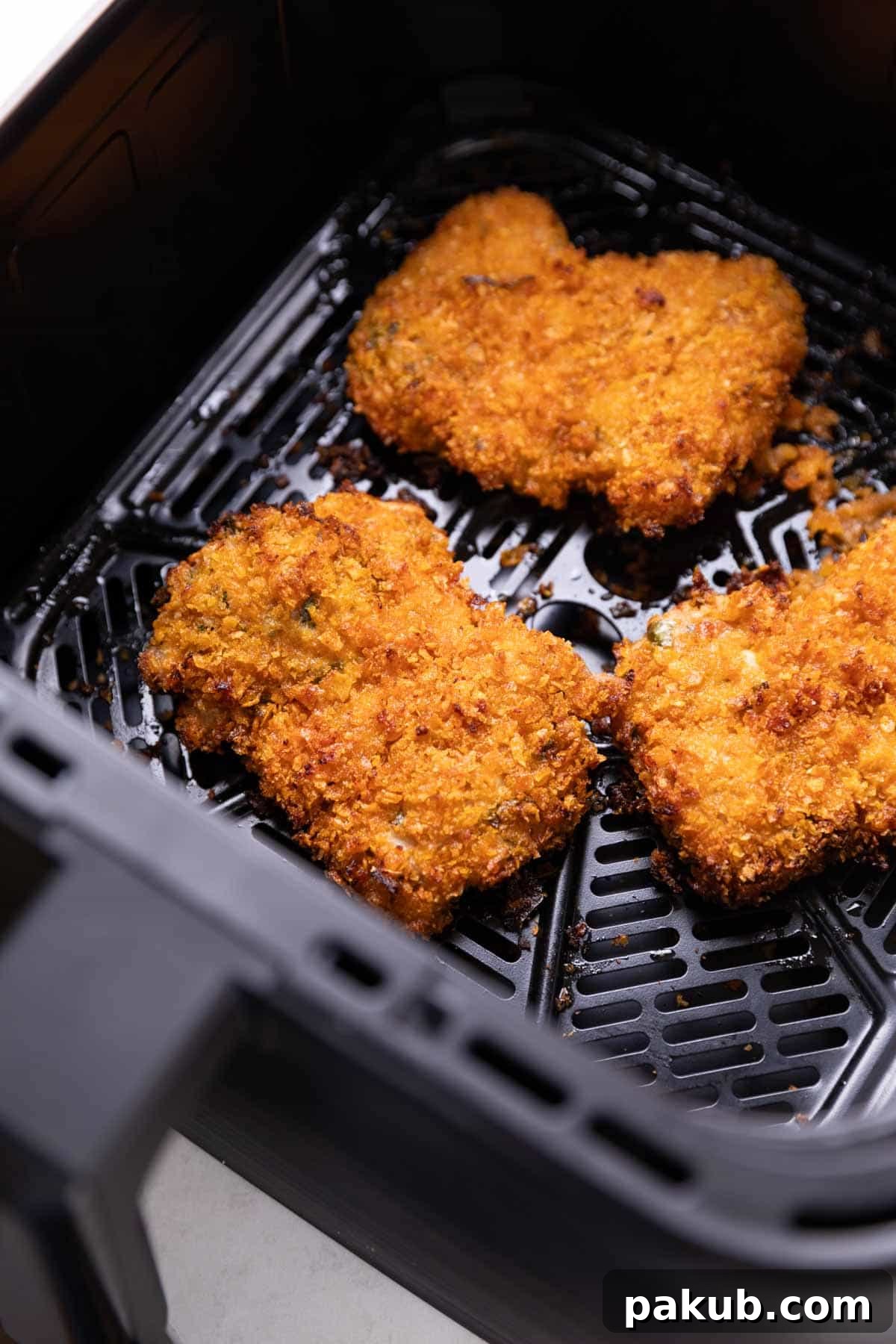
Cooking meat in an air fryer to achieve a juicy interior while still getting a beautiful, crispy exterior is entirely possible with a few key techniques. Marination is one step I never skip, as it infuses flavor and helps retain moisture. A good marinade creates a barrier that prevents the meat from drying out during the high-heat cooking process. Secondly, it’s crucial not to overcrowd the air fryer basket. When too much food is packed in, air circulation is hampered, leading to steaming instead of crisping, and uneven cooking. Always cook meat in batches, allowing ample space around each piece for the hot air to circulate freely. Patting the surface of the meat dry before placing it in the air fryer can also promote crispier skin. For specific meat recipes and detailed tips on achieving optimal juiciness and flavor, I encourage you to check the “Top Tips” sections within my Air Fryer Recipes – they are tailored to each cut and type of protein.
Achieving Perfectly Juicy Meats in Your Air Fryer
To consistently get succulent, flavorful meats from your air fryer, consider these advanced tips. Beyond marination, brine solutions can significantly enhance moisture retention, especially for poultry. Always ensure your meat is at room temperature before air frying for more even cooking. Use a reliable meat thermometer to check internal temperatures; this is the most accurate way to prevent overcooking and guarantee food safety. Once cooked, allow the meat to rest for 5-10 minutes before slicing. This allows the juices to redistribute, resulting in a more tender and flavorful bite. Experiment with different seasonings and rubs to create a delicious crust, and remember that even delicate cuts like fish can be perfectly cooked with careful attention to temperature and time.
- Which air fryer is the best one to buy?
Choosing the “best” air fryer depends largely on your household size and cooking habits. For a single person or a couple, a 4-quart (or 3-liter) air fryer is generally perfect. This size is ideal for cooking a single chicken breast with a side of vegetables, reheating leftovers, or preparing quick snacks. It’s compact and doesn’t take up much counter space. However, if you’re frequently cooking for a family of four or more, or if you plan to prepare full meals like a whole roasted chicken, then a larger capacity model – typically 6 quarts (5 liters) or more – would be much more suitable. Many brands now offer extra-large models, including oven-style air fryers that resemble mini convection ovens and can accommodate even larger dishes or multiple racks. When looking for a brand, consider well-regarded names like Hamilton Beach, Philips, and Inalsa, which are known for their reliability and performance. I personally use and absolutely love my 5.5 L Air Fryer from Hamilton Beach, which strikes a great balance for my needs. Other popular and reliable brands include Ninja, Instant Pot, and Cosori, each offering a range of features and sizes.
- Some say it’s harmful. Is it so?
The notion that air fryers are harmful is largely a misconception, often stemming from concerns about deep-frying or non-stick coatings. In reality, air fryers are widely considered a healthier cooking method. By significantly reducing the amount of oil needed – often by 70-80% compared to traditional deep frying – they drastically cut down on fat and calories, making your meals much lighter. This reduction in oil also means fewer harmful compounds associated with deep-frying are produced. Regarding non-stick coatings, while it’s true that older non-stick surfaces might have contained chemicals like PFOA or PFAS, reputable modern air fryers from quality brands are typically manufactured with PFOA-free coatings, ceramic options, or even stainless steel baskets, mitigating these concerns. Always choose a well-known, high-quality air fryer brand to ensure you’re getting a product that meets contemporary safety standards. With proper use and maintenance, air frying is a safe and beneficial way to prepare food.
Air Fryer Safety and Health Benefits
Beyond simply reducing oil, air fryers contribute to a healthier lifestyle in several ways. The high-heat, rapid circulation cooking method locks in nutrients effectively. By avoiding submerging food in oil, you also minimize the risk of acrolein formation, a harmful compound that can occur when oils are overheated. To ensure safety, always use your air fryer on a stable, heat-resistant surface, and ensure proper ventilation. Never block the air vents. When selecting an air fryer, look for certifications from recognized safety organizations. Prioritize models with PFOA-free non-stick coatings or opt for stainless steel baskets if you have concerns about non-stick materials. The overwhelming consensus is that air frying, when done correctly, is a vastly healthier alternative to deep-frying and a beneficial cooking method in its own right.
- Should I get a round basket or a square one?
When it comes to basket shape, I am unequivocally team square! The primary reason is surface area. A square basket inherently offers more usable cooking space compared to a round basket of the same stated volume. This extra surface area allows you to spread out your food more effectively, preventing overcrowding. Better food distribution means the hot air can circulate more uniformly around each piece, leading to more even cooking and superior crisping. Whether you’re arranging chicken wings, French fries, or larger items like fish fillets, a square basket simply makes it easier to maximize the cooking capacity and achieve consistent results. While round baskets might fit better in some compact spaces, the practical benefits of a square basket for cooking performance are undeniable.
- How can we prevent food from sticking to the bottom of the container?
Preventing food from sticking in your air fryer is crucial for easy cleanup and intact, beautifully cooked results. The simplest method is to lightly coat the basket with cooking spray or a small amount of oil before adding your food. Ensure you use an oil or spray specifically designed for high-heat cooking and avoid aerosol sprays that can contain propellants that damage non-stick coatings over time. Alternatively, you can use parchment paper liners designed for air fryers or silicone liners that fit your basket. These create a non-stick barrier between the food and the basket, making removal and cleanup a breeze. Always ensure the liner doesn’t block too much of the airflow, especially if it extends too high up the sides. Another tip is to preheat your air fryer before adding food, as this can help create a seasoned surface that is less prone to sticking.
Troubleshooting Common Air Fryer Issues
Beyond sticking, other issues can arise. If food is cooking unevenly, ensure you’re not overcrowding the basket and remember to shake or flip items regularly. For smoking, excessive oil, fatty foods, or food particles trapped on the heating element are common culprits. Use parchment liners for very greasy foods, and clean your heating element periodically. If your air fryer isn’t crisping food, verify the temperature setting, ensure it’s preheated, and avoid overcrowding. Sometimes, a light spritz of oil partway through cooking can help achieve that desired crisp. Understanding these common challenges and their solutions will help you master your air fryer and enjoy perfectly cooked meals every time.
- What all vessels are safe to use in the air fryer?
The air fryer operates much like a small convection oven, so generally, any oven-safe bakeware is suitable for use inside your air fryer basket. This includes vessels made from glass (like Pyrex), ceramic dishes, and oven-safe metals such as aluminum foil pans, stainless steel, or cast iron ramekins. Silicone bakeware is also an excellent choice due to its flexibility and heat resistance. Always ensure that any vessel you use fits comfortably within the air fryer basket, leaving enough space for air to circulate freely around it. Avoid using plastic containers or any materials not explicitly labeled as oven-safe, as they can melt or release harmful chemicals at high temperatures. When in doubt, always refer to your air fryer’s user manual for specific recommendations and limitations on internal accessories.
- What are the best oils to use in the air fryer?
When cooking with an air fryer, which operates at high temperatures, selecting an oil with a high smoke point is paramount. The smoke point is the temperature at which an oil begins to burn and smoke, imparting a bitter taste to your food and potentially releasing harmful compounds. Oils with a high smoke point can withstand the intense heat of the air fryer without breaking down. Excellent choices include sunflower oil, ghee (clarified butter), groundnut oil (peanut oil), canola oil, grapeseed oil, and avocado oil. Olive oil, particularly extra virgin olive oil, has a lower smoke point and is generally better reserved for finishing dishes or lower-temperature cooking. Always apply oil sparingly – a light coating or a quick spray is usually all that’s needed to achieve that desired crispiness, rather than submerging the food.
Optimizing Flavor and Texture with the Right Oils
The choice and application of oil can significantly impact the final texture and flavor of your air-fried dishes. High smoke point oils ensure that your food crisps up beautifully without tasting burnt or greasy. For best results, use a spray bottle to lightly mist your food or the air fryer basket evenly. This provides just enough oil for browning and crisping without overdoing it. Consider flavored oils for an extra dimension – a garlic-infused oil can elevate roasted vegetables, while a chili oil might add a kick to chicken. Remember, the goal of air frying is to reduce oil, so less is often more. A minimal, even application is key to achieving that perfect golden-brown finish and irresistible crunch without excess fat.
In conclusion, the air fryer is far more than just a passing kitchen fad; it’s a revolutionary appliance that offers incredible versatility, health benefits, and unparalleled convenience. From quick weeknight dinners and healthier versions of your favorite comfort foods to unexpected baking triumphs, there’s truly a world of culinary possibilities waiting for you. Over the years, I’ve used a total of three different air fryers, and each experience has solidified my conviction in their value. My air fryer is now my go-to appliance, used almost 90% of the time for various cooking tasks, replacing my oven and microwave for many daily needs. Its efficiency, speed, and ability to deliver consistently delicious results make it an indispensable tool in my kitchen.
I sincerely hope this comprehensive guide has addressed all your questions and perhaps even inspired you to embrace the air fryer revolution. If you have any further questions or need more personalized advice, please don’t hesitate to reach out to me directly via DM on my Instagram @my_foodstory – I’m always happy to share my insights!
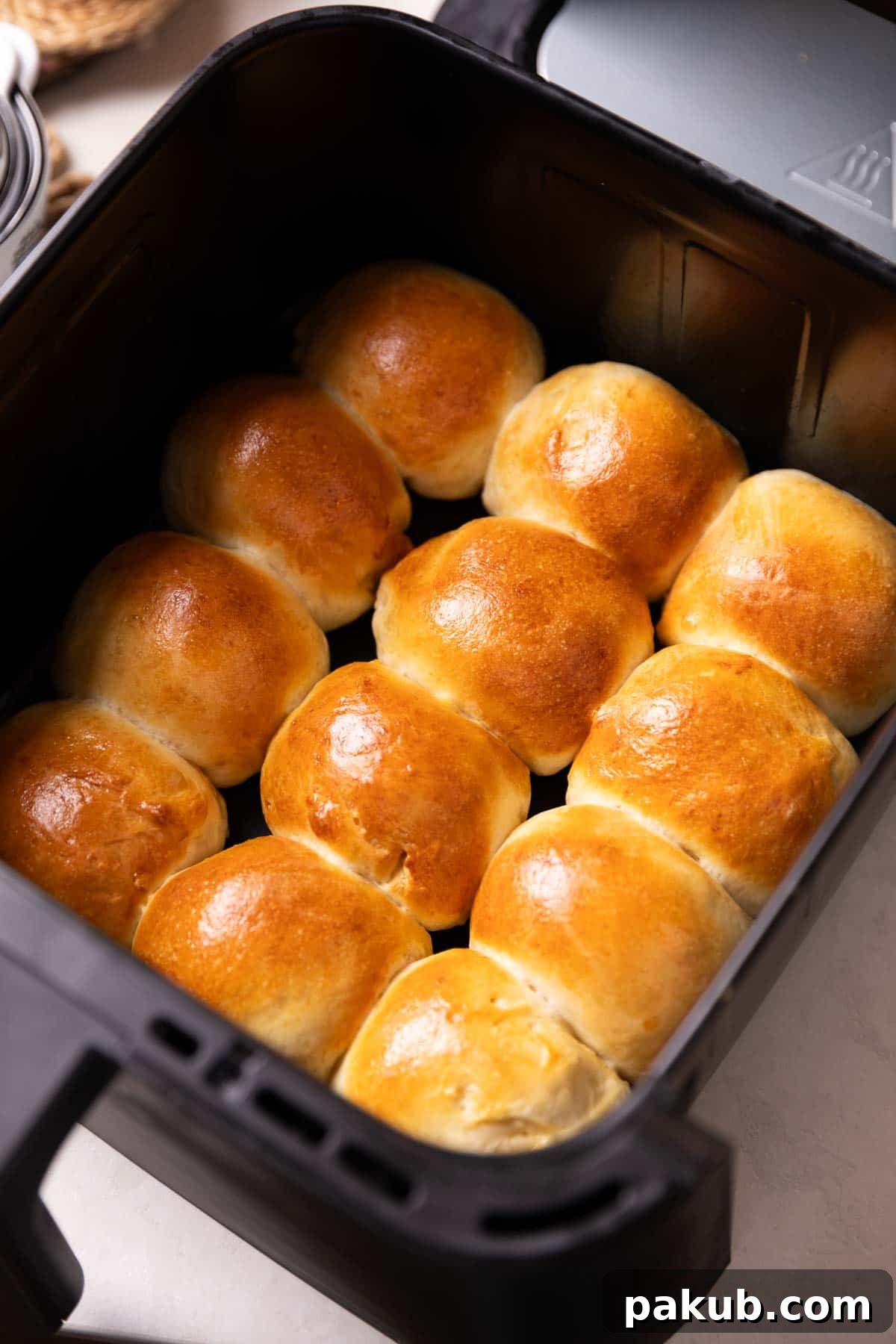
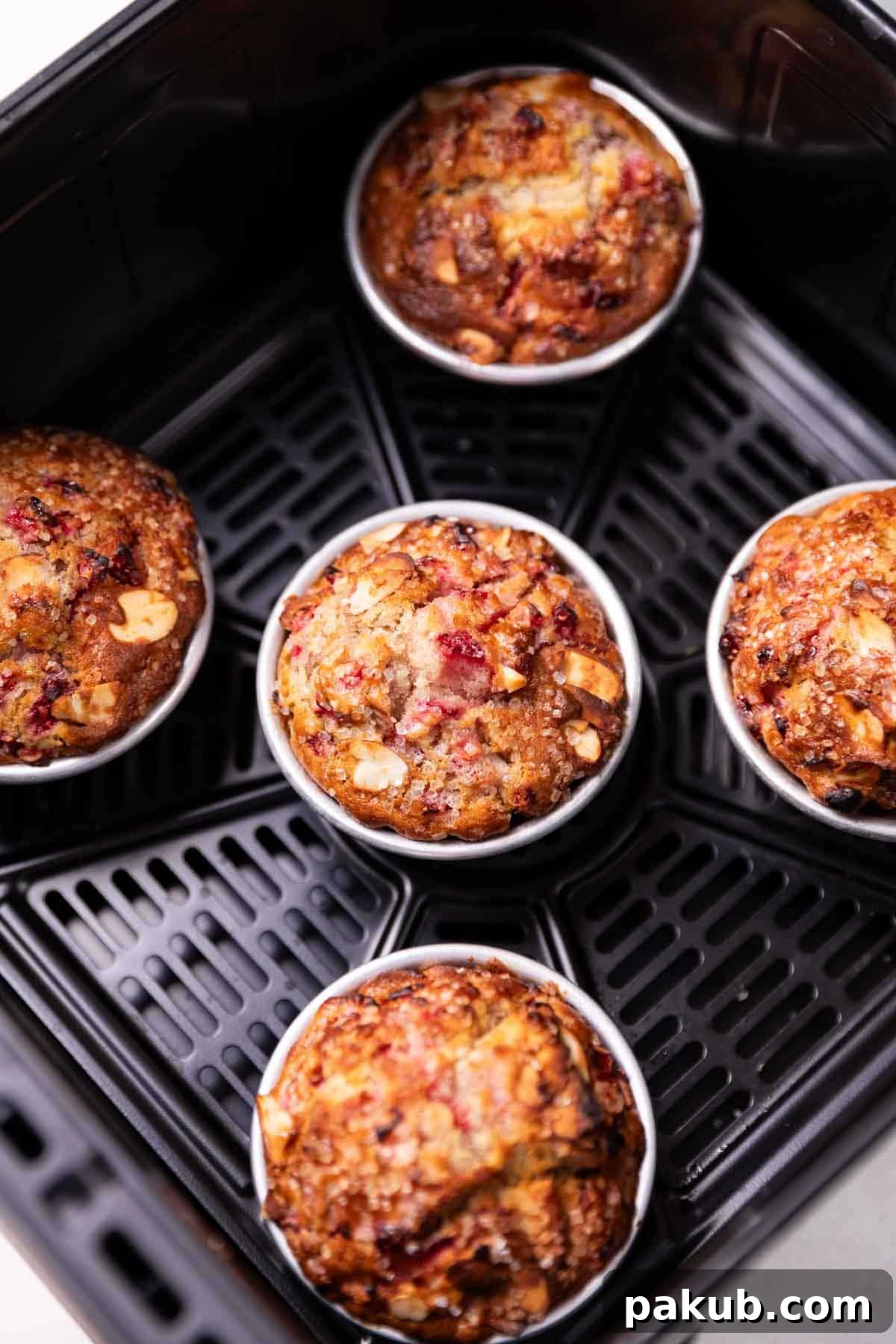
If this article has convinced you of the air fryer’s immense potential, then your next step is to unlock a treasure trove of exciting recipes. Be sure to check out my Air Fryer Recipes E-Book, packed with creative and delicious ideas. From delightful bread rolls and authentic tandoori chicken to scrumptious muffins and even pasta, you’ll find innovative ways to make the most of your new kitchen gadget and impress your family and friends with healthy, flavorful meals!
This article was researched and written by Navya Khetarpal, with editorial enhancements by our culinary team.