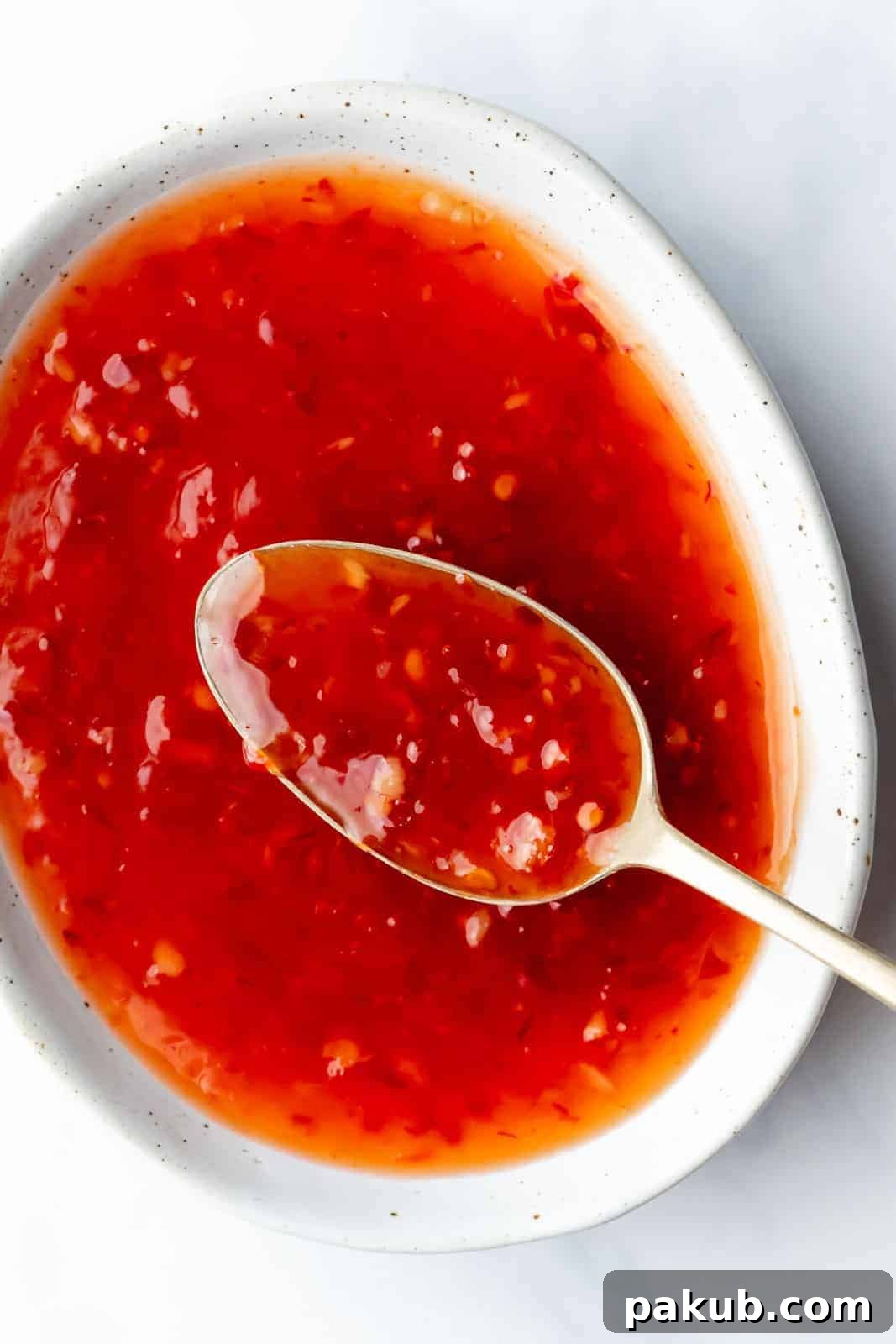
Homemade Thai Sweet Chili Sauce: Your Ultimate Sweet Heat Obsession
If you crave that perfect harmony of sweet, tangy, and spicy flavors, then this homemade Thai Sweet Chili Sauce is about to become your new culinary obsession! Forget bland, store-bought alternatives; this recipe delivers a vibrant, glossy, and irresistibly sticky sauce that will elevate any meal. Whether you’re dunking crispy spring rolls, drizzling it over succulent grilled meats, or adding an exciting zing to your everyday sandwiches and wraps, this versatile condiment is truly a game-changer.
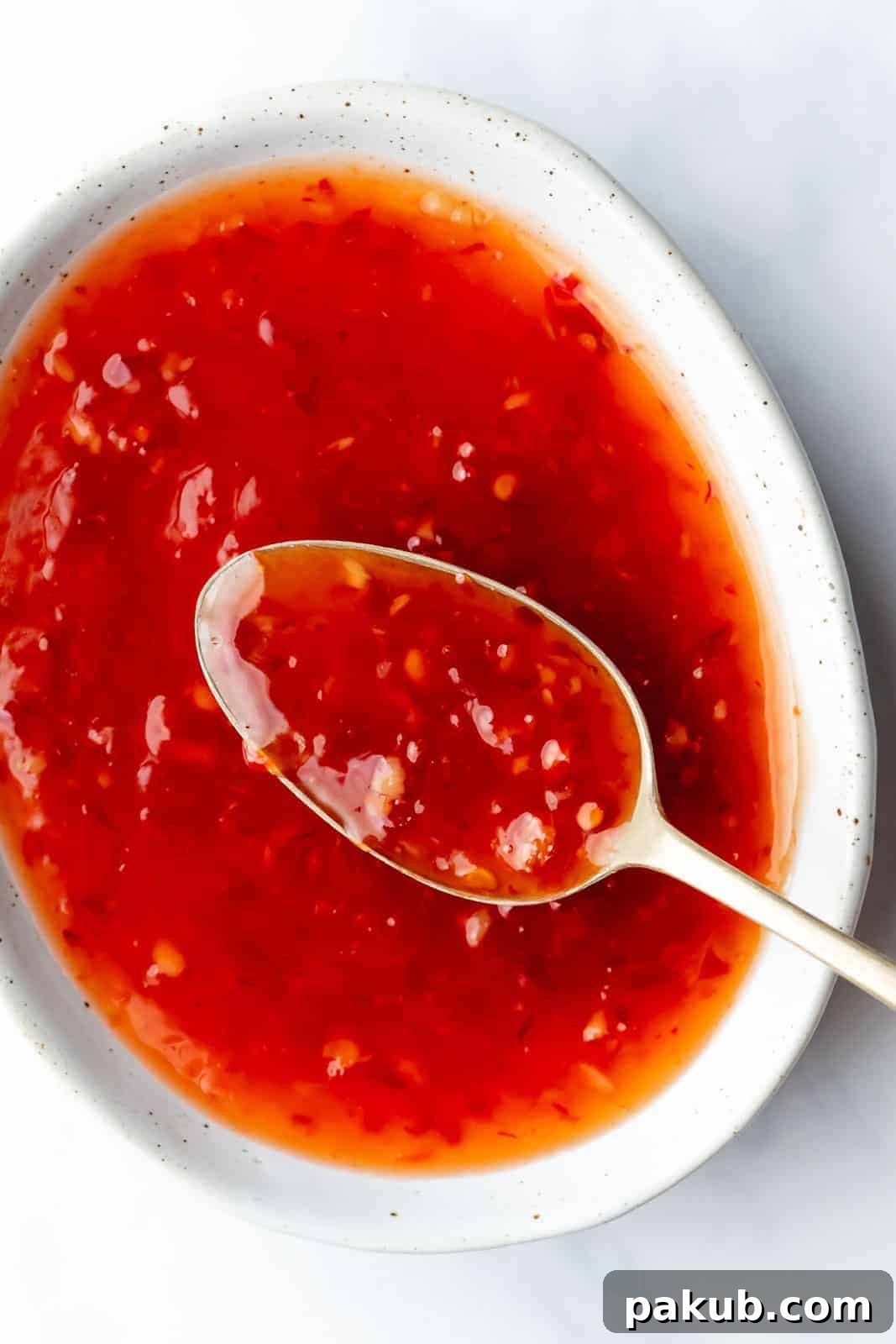
This Thai Sweet Chili Sauce, traditionally known as Nam Chim Kai, is the quintessential accompaniment to Asian finger foods and so much more. Its sticky texture, delightful sweetness, invigorating tang, and just the right amount of spice make it an absolute essential in any kitchen. In our household, where Spring Rolls are a beloved staple, we always ensure we have jars upon jars of this delectable sauce ready for any occasion. It’s not just a sauce; it’s an experience.
Crafting this incredible sauce at home is surprisingly straightforward, requiring only a handful of pantry staples. Ingredients like granulated sugar, aromatic garlic, versatile vinegar, and a generous kick of chili paste combine to create that signature fiery touch. The magic unfolds as these simple components gently simmer together, transforming into a thick, glossy, and perfectly sticky sauce. The most appealing aspect? It boasts an excellent shelf life, staying fresh in your refrigerator for weeks, ensuring you’re always prepared to infuse your dishes with incredible flavor. Trust us, once you experience the superior taste and texture of this homemade version, you’ll find store-bought options simply won’t measure up.
Jump to section: Homemade Thai Sweet Chili Sauce
- Homemade vs Store-bought
- Thai Sweet Chilli Sauce Ingredients
- Why Use Fresh Red Chillies
- How to Make Thai Sweet Chilli Sauce
- Troubleshooting Common Issues
- Serving Suggestions
- Storage Tips
- Frequently Asked Questions
- Recipe Video
Homemade vs. Store-bought: The Undeniable Advantages
While the ease of making this sauce at home is a major draw, there are several compelling reasons why a homemade batch always triumphs over its store-bought counterparts:
- Superior Taste and Purer Flavor Profile: Homemade sweet chili sauce offers a clean, vibrant taste that you simply can’t replicate with commercial brands. You’ll notice the absence of that unpleasant sticky mouthfeel or strange aftertaste often associated with processed sauces, allowing the authentic flavors of sweet, tangy, and spicy to truly shine.
- Transparent Ingredients, No Hidden Nasties: With just a handful of straightforward ingredients, you have complete control over what goes into your sauce. This means no unidentifiable chemicals, artificial stabilizers, excessive preservatives, or high-fructose corn syrup that are common in mass-produced products. Enjoy peace of mind knowing you’re serving a wholesome condiment.
- Fully Customizable to Your Palate: This is arguably the biggest advantage. Want it spicier? Add more chili. Prefer it sweeter or tangier? Adjust the sugar or vinegar. Love garlic? Go wild! You can fine-tune every aspect of the flavor profile to perfectly match your personal preference or the dish you’re pairing it with. This level of customization is impossible with bottled versions.
- Economical and Convenient: You likely already possess most, if not all, of the necessary ingredients in your pantry. This eliminates the need for a special grocery run, making it a budget-friendly option. Plus, once you have the staples, you can whip up a batch anytime the craving strikes.
- Batch Cooking for Future Enjoyment: Making a large batch is incredibly efficient. Store it in the fridge, and you’ll have a versatile sauce on hand for weeks, saving you time and effort on busy weeknights. It’s always there, ready to elevate an impromptu snack or a planned family dinner.
- Freshness You Can Taste: The difference fresh ingredients make is palpable. Freshly minced garlic and chili paste contribute a depth of flavor that dried or pre-processed ingredients simply cannot achieve. This freshness translates directly into a more aromatic and delicious sauce.
Crafting Your Perfect Sauce: Key Ingredients Explained
The beauty of this Thai sweet chili sauce lies in its simplicity and the powerful flavor each ingredient contributes. Here’s a closer look at the essential components:
- Granulated Sugar: This is the backbone of the “sweet” in sweet chili sauce. It creates that signature sticky, luscious base and, through simmering, helps achieve a beautiful caramelization that enhances the depth of flavor. You can experiment with brown sugar for a slightly molasses-like undertone.
- Cayenne or Kashmiri Red Chilli Powder: These powders contribute a lovely reddish hue and a gentle, manageable heat. Kashmiri red chili powder is particularly favored for its vibrant color and milder spice, making it perfect for those who enjoy flavor without overwhelming heat.
- Fresh Garlic: Absolutely crucial for savory depth. Freshly minced garlic infuses the sauce with an irresistible aromatic punch that forms the foundation of its complex flavor profile. Do not substitute with garlic powder if you can help it!
- Soy Sauce: A splash of soy sauce brings umami richness, adding a layer of savory complexity that perfectly balances the sweetness and tang. Use a light soy sauce for the best balance.
- Salt: Essential for seasoning, salt brightens all the other flavors and ties them together, ensuring the sauce isn’t one-dimensionally sweet or spicy.
- Vinegar (Rice or Apple Cider): This is where the “tangy” element comes in. Rice vinegar is traditional and offers a clean, mild acidity. Apple cider vinegar can be used as a readily available alternative, providing a slightly fruitier tang. It also acts as a natural preservative, extending the sauce’s shelf life.
- Water: Used to thin the sauce to the right consistency initially and to help blend all the flavors together during the simmering process.
- Chilli Paste: The star of the show for heat! This is where you control your spice level. For the most authentic and vibrant flavor, make your own by grinding fresh Thai red chillies into a coarse paste. Alternatively, rehydrated dried red chillies work wonderfully. In a pinch, a good quality Sambal Oelek or even red chili flakes can be substituted, though the flavor profile might differ slightly.
- Cornflour Slurry (Cornflour + Water): This is the secret to achieving that perfectly glossy, thick, and pourable consistency. Cornflour (or cornstarch) mixed with a small amount of water forms a slurry that, when added to the simmering sauce, thickens it beautifully. Tapioca starch or potato starch are excellent gluten-free alternatives.
The Heart of the Heat: Choosing Your Chillies
For an authentic Thai sweet chili sauce experience, we strongly recommend seeking out fresh Thai red chillies, particularly the smaller, fiery variety. These chillies are responsible for the sauce’s vibrant flaming red color and impart that distinctive spicy tingle on the tongue that is synonymous with beloved Asian sweet chili sauces. Be mindful, however, that Thai red chillies pack a significant punch, so handle them with care.
Tip for Heat Control: If you prefer a milder sauce, a simple trick is to carefully slit the fresh chillies open lengthwise and remove the seeds. The seeds and the white pith (placenta) contain the highest concentration of capsaicin, the compound responsible for heat. Once deseeded, mince the chillies finely or pulse them in a food processor. Importantly, avoid processing them into a very fine, smooth paste. Keep it slightly chunky for a more appealing texture and visual appeal in the final sauce.
If fresh Thai red chillies are unavailable, don’t despair! Dried red chillies are a fantastic alternative. Simply soak them in warm water for about 10-15 minutes to rehydrate, then proceed to grind them into a paste. This method still yields excellent flavor and color. For a quick substitute, a good quality Sambal Oelek or even basic red chili flakes can provide the necessary heat, though the fresh chili flavor will be more nuanced.
Step-by-Step Guide to Your Best Sweet Chili Sauce
Making this incredible sauce is simpler than you think. Follow these detailed steps for a perfect batch every time:
- Combine and Simmer Base Ingredients: In a medium saucepan, combine the sugar, cayenne pepper (or Kashmiri red chili powder), finely minced garlic, soy sauce, salt, vinegar (rice or apple cider), and water. Place the saucepan over medium heat. Stir occasionally, allowing the mixture to come to a gentle simmer. Continue to simmer for about 3-4 minutes, or until the sugar has completely dissolved and the liquid has slightly reduced. This step ensures all base flavors are well integrated.
- Add the Chili Kick: Once the base is simmering and the sugar is dissolved, add your prepared chili paste. Stir it in thoroughly until it is fully incorporated into the sauce. Continue to simmer for another 2-3 minutes, allowing the chili flavor to bloom and meld with the other ingredients. The aroma will be incredible!
- Thicken to Perfection: In a separate small bowl, whisk together the cornflour (or cornstarch) and the additional 2 tablespoons of water to create a smooth, lump-free cornflour slurry. Slowly pour this slurry into the simmering sauce in the saucepan, stirring continuously. This constant stirring is crucial to prevent lumps and ensure even thickening. Bring the sauce back to a boil, then immediately reduce the heat to low and continue to simmer gently for another 3-4 minutes. The sauce will visibly thicken, become translucent, and develop a beautiful, shiny sheen. Once it reaches this desired consistency, remove the saucepan from the heat.
- Cool and Store: Your homemade Thai sweet chili sauce is now ready! You can serve it immediately if desired, but for best flavor and storage, allow the sauce to cool completely to room temperature. Once cool, transfer the sauce into a clean, airtight jar. This ensures maximum longevity. Refrigerate for up to 4 weeks.
Troubleshooting Common Issues
- Sauce Too Thick? If your sauce becomes too thick after cooling, simply thin it out with a small splash of hot water, stirring until it reaches your desired consistency.
- Sauce Too Thin? If it’s not thickening enough, create a small additional cornflour slurry (1 teaspoon cornflour mixed with 2 teaspoons water) and slowly whisk it into the simmering sauce. Continue to cook for a minute or two until it thickens. Alternatively, simmer it longer without adding more cornflour, though this can intensify flavors.
- Not Spicy Enough? For an extra kick, you can stir in a pinch more chili powder or finely minced fresh chili at the end, or serve with a side of chili flakes for individual customization.
- Too Spicy? To mellow out the heat, you can add a little more sugar or a tiny bit more vinegar. Simmering for an extra minute or two might also help distribute the heat more evenly.
Unleashing Flavor: Creative Serving Suggestions
The versatility of homemade Thai sweet chili sauce is truly remarkable. Beyond just dipping, here are some creative ways to incorporate this vibrant condiment into your meals:
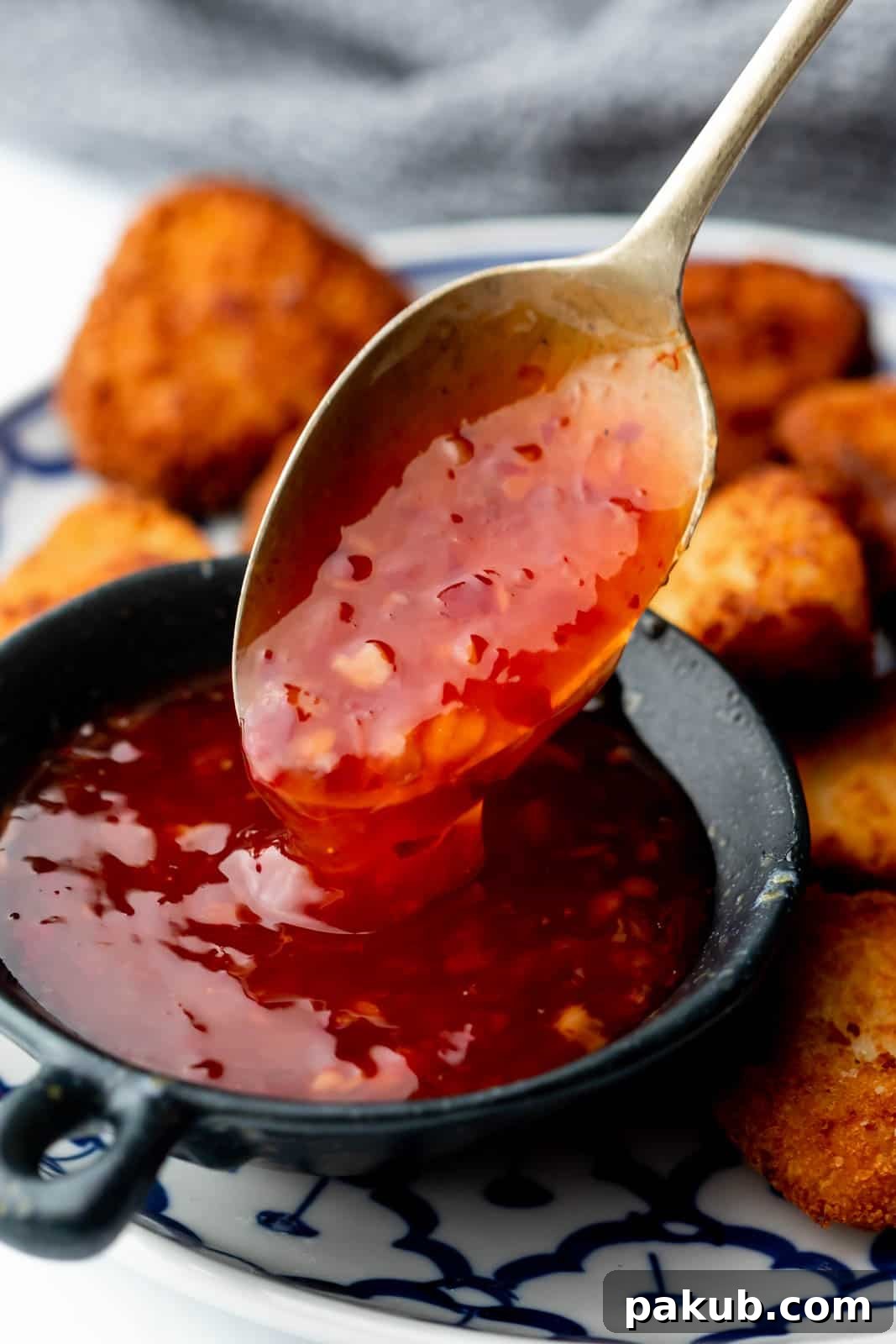
- Classic Dipping Sauce: The most popular use! Perfect with spring rolls, momos, crispy wontons like our favorite potli wontons, and even everyday snacks like French fries, potato wedges, or chicken nuggets. Its sweet and spicy profile provides a fantastic contrast to savory fried foods.
- Glaze for Grilled & Roasted Foods: Brush this sauce over grilled chicken, pork, shrimp, or tofu during the last few minutes of cooking. It caramelizes beautifully, creating a sticky, flavorful glaze that adds incredible depth. It’s especially fantastic with Grilled Sambal Chicken Skewers.
- Stir-Fry & Noodle Enhancer: Toss a generous amount into your favorite noodles, fried rice, or vegetable stir-fries. It coats every ingredient, infusing the entire dish with its irresistible sweet, tangy, and spicy notes, transforming a simple meal into something extraordinary.
- Sandwiches, Wraps & Burgers: Spread a thin layer on your sandwiches, burgers, or wraps instead of traditional mayonnaise or mustard. It adds an unexpected burst of flavor that pairs wonderfully with chicken, turkey, or even vegetarian fillings. Try it in our Cucumber Rolls or Rice Paper Pancakes!
- Marinade Base: Use it as a base for marinades, especially for chicken, fish, or paneer. Its acidic and sweet components tenderize and flavor the protein, ready for grilling, baking, or pan-frying.
- Salad Dressing Booster: Whisk a tablespoon or two into a simple vinaigrette for an Asian-inspired salad dressing. It adds a vibrant kick to green salads or noodle salads.
Storage & Longevity: Keeping Your Sauce Fresh
Proper storage is key to enjoying your homemade Thai sweet chili sauce for weeks. Once prepared, allow the sauce to cool down completely to room temperature before transferring it to a storage container. This prevents condensation from forming inside the jar, which can lead to premature spoilage.
Store the sauce in a clean, airtight glass jar or container in the refrigerator. When stored correctly, your delicious homemade sweet chili sauce will remain fresh and flavorful for up to 4 weeks. Always use a clean spoon when scooping out the sauce to prevent introducing contaminants that could shorten its shelf life. If you notice any unusual smells, discoloration, or mold, it’s best to discard the batch.
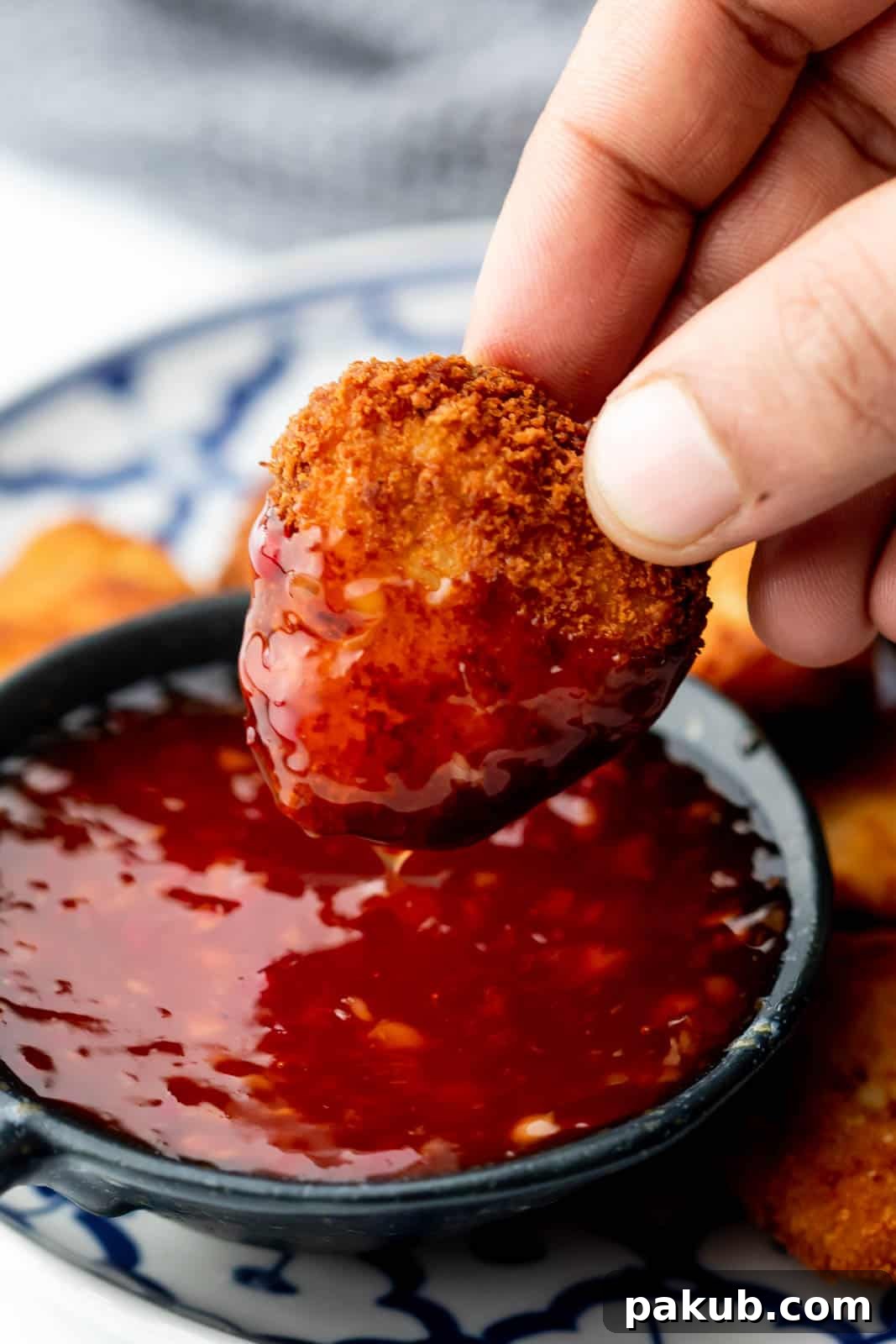
This homemade Thai sweet chili sauce is so good and so easy to make, it’s bound to earn a permanent spot in your fridge, just like it has in ours. Get ready to experience a whole new level of flavor in your culinary adventures!
Frequently Asked Questions (FAQs)
- 1. I can’t find fresh red chillies, what can I use instead?
- No problem! If fresh red chillies are unavailable, you can easily use dried red chillies. Simply soak the dried chillies in warm water for about 10-15 minutes to rehydrate them, then drain and grind them into a paste. Alternatively, Sambal Oelek (an Indonesian chili paste) or even red chili flakes can serve as suitable substitutes for the heat component, though the flavor profile might vary slightly.
- 2. How do I thicken the sauce if it’s too thin?
- The primary thickening agent in this sauce is a cornflour (cornstarch) slurry. The mixture may appear watery at first, but once the slurry (equal parts cornflour and water, whisked until smooth) is added and the sauce simmers, it will develop a thick, glossy consistency. If your sauce is still too thin, you can either simmer it for a few more minutes to reduce naturally, or prepare a small additional slurry (e.g., 1 teaspoon cornflour with 2 teaspoons water) and whisk it in slowly while the sauce is simmering until it reaches your desired thickness. Potato starch or tapioca starch can also be used as alternatives.
- 3. What is sweet chili sauce commonly used for?
- This sauce is incredibly versatile! It serves as a perfect dipping sauce for appetizers like spring rolls, dumplings, chicken wings, and samosas. You can also drizzle it over grilled or roasted meats and seafood, toss it into stir-fries or noodle dishes, or even spread it in sandwiches and wraps for an added kick. It’s fantastic with our Cucumber Rolls, Rice Paper Pancakes, and Grilled Sambal Chicken Skewers.
- 4. Is sweet chili sauce very spicy?
- Homemade sweet chili sauce typically offers a mild-to-medium heat level. The significant amount of sugar and vinegar helps to balance out the spiciness from the chillies, making it more sweet and tangy than overtly fiery. You have full control over the spice level; simply adjust the amount of chili paste you add, or remove the seeds from fresh red chillies when preparing the paste to reduce the heat significantly.
- 5. How long does homemade sweet chili sauce last in the fridge?
- When stored correctly in a clean, airtight jar in the refrigerator, your homemade sweet chili sauce will stay fresh and delicious for up to 4 weeks. Always ensure it’s completely cooled before jarring.
- 6. Can I make this recipe without cornflour?
- Yes, you can. If you prefer not to use cornflour, simply simmer the sauce for a longer duration until it naturally reduces and thickens to your desired consistency. Be aware that without a thickening agent, it might be slightly looser and less glossy than the version made with cornflour. You’ll also need to stir more frequently to prevent sticking or burning.
- 7. Is this recipe gluten-free or vegan?
- This recipe is naturally vegan if you ensure your sugar is vegan-certified (some sugars are processed with bone char). To make it gluten-free, simply use a gluten-free soy sauce (such as Tamari) and ensure your chili paste, if store-bought, is also gluten-free. All other ingredients are typically naturally gluten-free.
- 8. Can I freeze sweet chili sauce?
- Yes, sweet chili sauce freezes well! Pour cooled sauce into freezer-safe containers or ice cube trays. Once frozen, transfer cubes to a freezer bag. It can be stored for up to 3 months. Thaw in the refrigerator overnight before use.
Watch Thai Sweet Chili Sauce Recipe Video
Thai Sweet Chili Sauce Recipe
By: Richa
Make Thai sweet chili sauce at home easily with this recipe. Just 9 ingredients and about 30 minutes total time. Stores well for up to a month. Known as Nam Chim Kai, use this dipping sauce for appetizers, snacks, finger food, or stir-fries and barbecues.
Prep Time: 10 minutes
Cook Time: 20 minutes
Total Time: 30 minutes
Servings: 10 Portions
Ingredients
- 1 1/2 cups Sugar
- 1 teaspoon Cayenne Pepper or Kashmiri Red Chilli Powder
- 3 tablespoon Garlic, finely minced
- 1 tablespoon Soy Sauce
- 1 1/2 teaspoons Salt
- 1/2 cup Vinegar (Rice or Apple Cider)
- 1 cup Water
- 3 tablespoon Chilli Paste (See Note 1 & 2 – or Sambal Oelek or Red Chili flakes)
- 1 tablespoon Corn Flour (or Cornstarch, See Note 3)
- 2 tablespoon Water (for cornflour slurry)
Instructions
- Add sugar, cayenne pepper, minced garlic, soy sauce, salt, vinegar, and 1 cup of water to a saucepan. Let it simmer over medium heat, stirring occasionally for about 3-4 minutes, until the sugar dissolves completely and the mixture slightly reduces.
- Add the chili paste to the saucepan and mix thoroughly. Continue to simmer for another 2-3 minutes, allowing the flavors to meld.
- In a small bowl, mix together 1 tablespoon of cornflour and 2 tablespoons of water until no lumps remain, creating a smooth cornflour slurry. Stir this slurry continuously into the sauce in the saucepan. Bring the sauce to a boil, then reduce the heat to low and simmer for 3-4 minutes until the sauce becomes thick, translucent, and shiny. Turn off the heat.
- Serve immediately or allow the sauce to cool completely before transferring to a clean, airtight jar. Refrigerate for up to 4 weeks.
Notes
- Chilli Paste: For the best flavor, make your own chili paste by grinding fresh Thai red chillies in a food processor to a coarse paste. If using dried red chillies, rehydrate them in hot water for 10 minutes before grinding. Sambal Oelek or red chili flakes can be used as convenient substitutes.
- Reducing Heat: To reduce the spiciness of the sauce, carefully remove the seeds from the fresh red chillies before grinding them into a paste.
- Cornflour Substitute: Cornflour (cornstarch) can be successfully substituted with potato starch or tapioca starch for thickening.
- Storage: Ensure the sauce is completely cooled before storing it in a clean, airtight jar in the refrigerator. It will keep well for up to 4 weeks.
Nutrition (per serving)
Calories: 129 kcal, Carbohydrates: 32g, Protein: 1g, Fat: 1g, Saturated Fat: 1g, Sodium: 452mg, Potassium: 32mg, Fiber: 1g, Sugar: 30g, Vitamin A: 125 IU, Vitamin C: 7mg, Calcium: 4mg, Iron: 1mg
This article was researched and written by Navya Khetarpal.