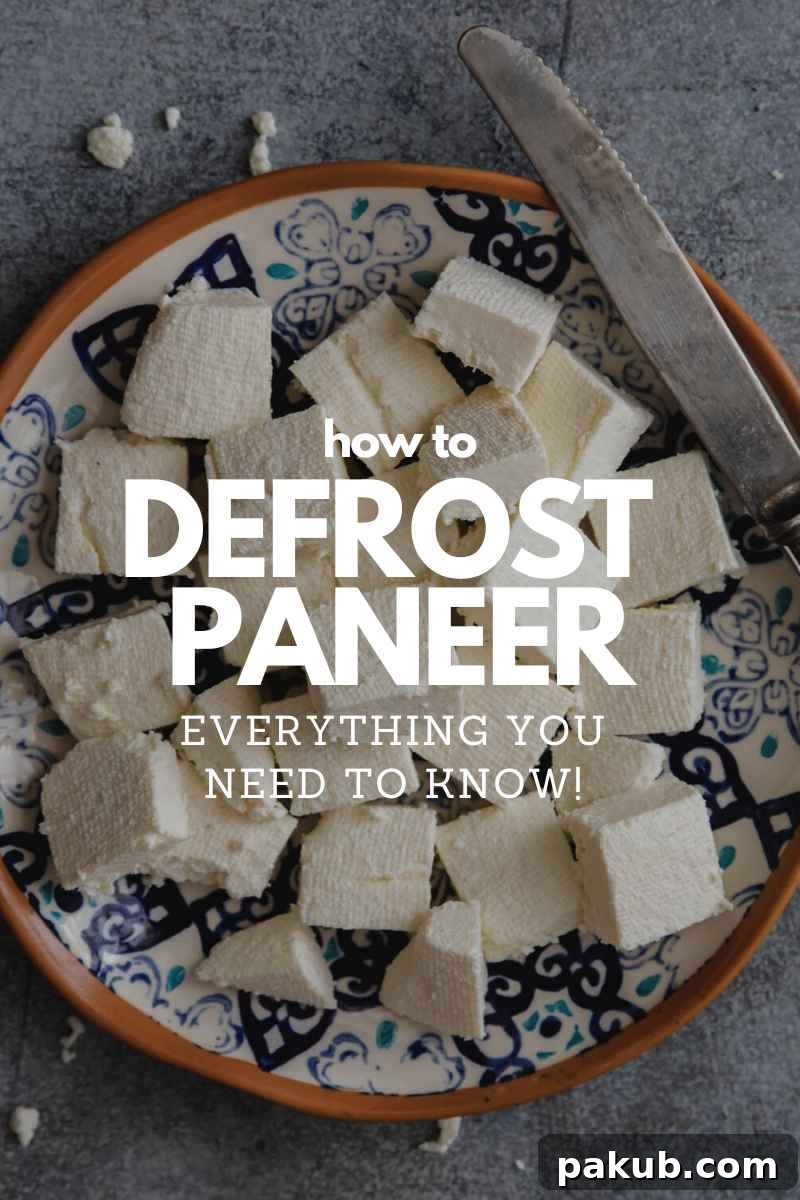
Ever found yourself craving a delicious paneer curry, only to realize your paneer is still rock-solid in the freezer? Don’t fret! We’ve all been there. This comprehensive guide will walk you through the easiest and most effective ways to defrost paneer, ensuring your favorite Indian cheese is always perfectly tender and ready for your culinary creations. Whether you’re short on time or prefer a gentle thaw, we have a method for you!
Paneer, a versatile and beloved fresh cheese, is a staple in Indian cuisine. From rich, creamy Paneer Butter Masala to vibrant Palak Paneer, its mild flavor and firm texture make it a perfect canvas for countless dishes. Keeping a supply of paneer in the freezer is a smart way to ensure you’re always ready for a spontaneous cooking session. However, the biggest challenge often lies in defrosting it properly to maintain its desirable soft and spongy texture. A quick, improper thaw can turn your paneer rubbery or crumbly, ruining your dish before it even begins.
But what if you forgot to take it out in time? No worries! I’ve gathered the best techniques to help you gently bring your frozen paneer back to life, no matter how much time you have. With these trusted methods, you’ll never have to compromise on the quality of your paneer dishes again.
Jump to Section: How to Defrost Paneer Perfectly
- The Best Way to Freeze Paneer
- Method #1: The Gentle Countertop Thaw (Slow & Safe)
- Pro Tip for Overnight Thawing
- Method #2: The Quick Warm Water Soak (Fast & Effective)
- Method #3: Steaming for Tender Paneer (Gentle & Speedy)
- Tips for Using Defrosted Paneer
- Frequently Asked Questions About Paneer
- Popular Paneer Favorites 🫶
Before we dive into the defrosting techniques, let’s start at the beginning: understanding how to properly freeze paneer to ensure it stays fresh and delicious when you’re ready to use it.
The Best Way to Freeze Paneer for Lasting Freshness
Freezing paneer is an excellent strategy for extending its shelf life, allowing you to enjoy your favorite Indian dishes whenever a craving strikes. Proper freezing techniques are crucial to prevent common issues like freezer burn, which can lead to dry, crumbly, or flavorless paneer. Whether you’re freezing store-bought blocks or your own homemade paneer, follow these simple steps to ensure optimal quality upon thawing.
Freezing Store-Bought Paneer
- Unopened Packaging: If your paneer block is still in its original, unopened vacuum-sealed packaging, you can freeze it directly as is. The airtight seal provides excellent protection against freezer burn.
- Opened Packaging: If you’ve opened the package or only used a portion of the paneer, it’s essential to re-wrap it properly. Tightly wrap the remaining paneer in plastic wrap, ensuring no air pockets. For an extra layer of protection, especially for longer storage, wrap it again in aluminum foil or place it in a freezer-safe, airtight container. This double-layer approach significantly reduces the risk of ice crystal formation and moisture loss.
Freezing Homemade Paneer
Making paneer at home is incredibly rewarding and surprisingly easy, especially with a recipe like my 15-minute homemade paneer recipe. If you plan to freeze your homemade paneer, ensure it’s completely cooled and pressed to remove excess moisture before packaging. You can freeze it as a whole block or cut it into cubes, depending on how you anticipate using it. Store it in airtight containers or vacuum-sealed bags to prevent freezer burn and maintain its delicate texture. Properly stored, frozen paneer can last for up to 3-6 months.
A Quick Note on Convenience: While defrosting is usually necessary for most recipes, sometimes you can skip it! If you’re planning to add paneer directly to a simmering curry or gravy, you can often toss in the frozen cubes without thawing. The heat and moisture from the sauce will gently soften the paneer as it cooks, allowing it to rehydrate and absorb the flavors. This method works particularly well for curries where the paneer will be cooked for an extended period, making it wonderfully tender and infused with taste.
Method #1: The Gentle Countertop Thaw (Slow & Safe)
For the best possible texture, one that closely mimics fresh paneer, a slow and gradual thaw is highly recommended. This method minimizes the shock to the paneer’s delicate dairy structure, preventing it from becoming rubbery or overly firm. While it requires a bit of foresight, it’s virtually hands-off and yields superior results.
The Process:
- Remove Packaging: Take the frozen paneer out of its freezer-safe packaging (plastic wrap, foil, or airtight container).
- Place on a Plate: Place the block or cubes of paneer on a clean plate or cutting board. You might want to cover it loosely with a kitchen towel or paper towel to protect it from dust and absorb any condensation.
- Room Temperature: Leave the paneer at room temperature, away from direct sunlight or heat sources.
- Thawing Time: A small block of paneer (around 200-250g) will typically take about 3-4 hours to thaw completely. Larger blocks might require 4-6 hours or even longer. The exact time will depend on the size of the paneer and the ambient room temperature.
- Check for Softness: The paneer is ready when it feels soft and pliable to the touch, much like fresh paneer.
Why This Method Works Best: Paneer, being a dairy product, is sensitive to sudden temperature changes. A slow thaw allows the ice crystals within the paneer to melt gradually, rehydrating the cheese evenly. This gentle process helps preserve the moisture content and the natural, tender consistency that we all love. It’s the ideal method when you want your defrosted paneer to perform as closely as possible to its fresh counterpart.
Important Food Safety Note: While this method is excellent for texture, it’s crucial not to leave paneer at room temperature for too long, especially in warm environments. Dairy products can spoil if left in the “danger zone” (between 40°F and 140°F or 4°C and 60°C) for more than two hours. If your kitchen is particularly warm, or if you anticipate a longer thawing time, consider using the refrigerator method mentioned in the tip below.
Pro Tip: Overnight Thawing in the Refrigerator
If you remember the night before, the absolute safest and most gentle way to defrost paneer is in the refrigerator. Simply transfer the frozen paneer (still in its packaging or re-wrapped) to the fridge and let it thaw overnight. This method takes longer (typically 8-12 hours for a standard block) but ensures the paneer stays at a safe, cool temperature throughout the entire process, yielding perfectly tender results without any food safety concerns.
Method #2: The Quick Warm Water Soak (Fast & Effective)
When time is of the essence and you need defrosted paneer quickly, the warm water soak is your go-to method. This technique leverages the gentle warmth of water to speed up the thawing process while simultaneously rehydrating the paneer, helping it regain its original softness.
The Process:
- Prepare the Paneer: If the paneer is not already in a sealed, waterproof bag, transfer it into a heavy-duty freezer bag or a vacuum-seal bag. This prevents the paneer from becoming waterlogged and diluting its flavor. If your paneer came in sealed, store-bought packaging, you can often submerge it directly.
- Warm Water Bath: Fill a large bowl with warm (not hot or boiling) tap water. The water should feel warm to the touch but not so hot that you can’t comfortably keep your hand in it. Aim for a temperature around 100-110°F (38-43°C).
- Submerge: Place the bag of frozen paneer into the bowl, ensuring it is fully submerged. You might need to place a small plate or weight on top to keep it under the water.
- Soak and Rehydrate: Let the paneer soak for approximately 15-20 minutes. As the paneer thaws, it will absorb moisture, becoming soft and pliable again. For larger blocks, you might need to change the water once or twice if it cools down significantly, replacing it with fresh warm water.
- Check for Softness: Gently squeeze the paneer through the bag to check if it has softened throughout.
- Drain and Pat Dry: Once defrosted, remove the paneer from the bag, drain any excess water, and gently pat it dry with paper towels before cutting or using in your recipe.
Why This Method Works: The warm water provides a consistent and efficient heat transfer, speeding up the thawing process. Crucially, by keeping the paneer sealed, you prevent it from directly absorbing water, which could make it mushy and bland. Instead, the trapped moisture within the paneer is re-distributed as it thaws, restoring its natural texture.
Crucial Warning: Do Not Over-Soak! It’s tempting to leave the paneer in warm water for longer, especially if it’s still a bit firm. However, over-soaking, particularly in water that is too hot, can have detrimental effects. The paneer can start to break down, becoming crumbly, mushy, or losing its structural integrity. Always adhere to the recommended soaking time and ensure the water is warm, not boiling hot, to achieve perfectly soft, intact paneer.
Method #3: Steaming for Tender Paneer (Gentle & Speedy)
Steaming is another excellent method for quickly yet gently defrosting paneer, especially if you want to avoid direct water contact. This technique uses moist heat to slowly bring the paneer back to a soft, supple state, making it ideal for cubes that will be added to gravies or used in stir-fries.
The Process:
- Set Up Your Steamer: Fill a pot with about an inch or two of water. Place a steamer basket or colander inside, ensuring the water level is below the bottom of the basket.
- Boil the Water: Bring the water in the pot to a rolling boil over medium-high heat.
- Add Paneer: Once the water is boiling, turn off the heat. Carefully place the frozen paneer (either a block or pre-cut cubes) onto the steamer tray.
- Cover and Steam: Cover the pot with a tight-fitting lid. The residual heat from the boiling water and the steam trapped inside will gently thaw the paneer.
- Thawing Time: Let the paneer sit in the steamer for about 10-15 minutes. Smaller cubes will thaw faster, while a larger block may need closer to 15-20 minutes.
- Check for Softness: The paneer is ready when it feels soft and tender.
- Pat Dry: Remove the defrosted paneer from the steamer and gently pat dry with a paper towel to remove any surface moisture before using.
Why This Method Works: Steaming provides a very gentle and even heat distribution. Unlike direct boiling or microwaving, which can cook the paneer and alter its texture, steaming slowly rehydrates the cheese using moist warmth. This process helps maintain the paneer’s soft, almost springy texture without making it rubbery or tough.
Best for Cubed Paneer: While this method can work for a whole block, it’s particularly effective for pre-cut frozen paneer cubes. The smaller surface area allows for quicker and more uniform thawing. For a whole block, you might need to increase the steaming time slightly, but always keep an eye on it to prevent over-steaming.
Tips for Using Defrosted Paneer
Once your paneer is perfectly defrosted, a few extra steps can ensure it integrates beautifully into your chosen dish:
- Pat Dry: Regardless of the defrosting method, always pat the paneer dry with paper towels before using it. Excess moisture can prevent it from browning nicely if you’re frying it, or it can water down your curry.
- Rehydrate for Extra Softness: For an exceptionally soft texture, especially if your paneer feels a little firm after defrosting, you can soak it in a bowl of warm (not hot) water or milk for 10-15 minutes before adding it to your dish. This often revitalizes its texture.
- Pan-Frying: If your recipe calls for pan-frying or shallow-frying paneer, ensure it’s completely dry to get that beautiful golden crust. You can even lightly toss the cubes in a pinch of cornstarch or all-purpose flour before frying for extra crispiness.
- Add Towards the End: To prevent defrosted paneer from becoming chewy, particularly in curries, it’s often best to add it towards the end of the cooking process. Allow it to simmer in the gravy for just 5-10 minutes to absorb flavors without overcooking.
Frequently Asked Questions About Paneer
Chewy or rubbery paneer is a common issue, often stemming from one of several factors. Firstly, abrupt temperature changes, such as moving directly from the freezer to boiling hot water, can shock the paneer’s protein structure, causing it to seize up. Secondly, overcooking is a frequent culprit; paneer cooks very quickly, and extended simmering in a hot gravy can extract its moisture, leading to a tough texture. High heat during frying can also make it rubbery. Lastly, leaving paneer in a simmering gravy for too long allows it to absorb too much liquid and break down, affecting its texture. To keep paneer soft, avoid extreme temperature shifts and cook it minimally. If pan-frying, cook quickly until golden; if adding to curry, introduce it in the final few minutes of simmering.
Identifying spoiled paneer is crucial for food safety. Always trust your senses. Here are the key signs to look out for:
- Sour Smell: Fresh paneer has a very mild, milky scent. If it smells distinctly sour, tangy, or otherwise off-putting, it’s likely spoiled.
- Visual Changes: Look for any discoloration, such as greenish, yellowish, or dark spots, which indicate mold growth.
- Texture Alterations: Good paneer is firm yet slightly crumbly and moist. If it feels excessively slimy, mushy, or unusually hard and dry, it’s a bad sign. It might also crumble excessively upon touch, indicating a breakdown in its structure.
- Taste: If all other signs seem okay but you’re still unsure, a tiny taste test can confirm. Spoiled paneer will have a sour or bitter taste. However, if there are strong visual or olfactory cues, it’s best not to taste it at all.
If you notice any of these signs, it’s safer to discard the paneer to prevent any health risks.
Maintaining paneer’s softness is key to an enjoyable dish. My favorite trick is to soak the paneer in warm water (not boiling) for about 10-15 minutes just before adding it to a curry or frying it. This rehydrates it and makes it incredibly tender. After cooking, avoid over-simmering paneer in gravies; adding it in the last 5-10 minutes allows it to warm through and absorb flavors without becoming tough. If you’re frying paneer, don’t overcook it; just a few minutes until light golden will suffice. Some also recommend soaking fried paneer cubes briefly in warm water after frying to maintain their softness.
Generally, it is not recommended to refreeze paneer that has been fully defrosted. Freezing and thawing can alter the texture of dairy products, and refreezing can further degrade the quality, making the paneer crumbly, mushy, or rubbery. It can also increase the risk of bacterial growth if the paneer was left at room temperature for an extended period during the initial thaw. For best results and food safety, defrost only the amount of paneer you intend to use.
While technically possible, defrosting paneer in the microwave is generally not recommended for optimal results. Microwaves heat unevenly and rapidly, which can cause parts of the paneer to cook while other parts remain frozen. This leads to a rubbery, tough, or chewy texture. If you must use a microwave in an absolute pinch, use the lowest defrost setting for very short intervals (e.g., 30 seconds), checking and flipping frequently. However, for a consistently soft and palatable texture, one of the other methods mentioned above is always preferable.
Once paneer has been defrosted, it should be treated like fresh paneer in terms of storage. It’s best to use defrosted paneer within 24-48 hours. Store it in an airtight container in the coldest part of your refrigerator. The sooner you use it after thawing, the better its texture and flavor will be.
Now that your paneer is perfectly thawed and ready, it’s time to transform it into a delectable meal. Dive into some of my most cherished paneer recipes for inspiration:
Popular Paneer Favorites 🫶
Vegetarian Recipes
Restaurant Style Paneer Butter Masala
Appetizers
Tandoori Paneer Tikka in the Oven
Vegetarian Recipes
Creamy Matar Paneer Curry
Vegetarian Recipes
Easy Palak Paneer – Restaurant Style
This article was thoroughly researched and written by Navya Khetarpal, a culinary enthusiast with a passion for perfect paneer.