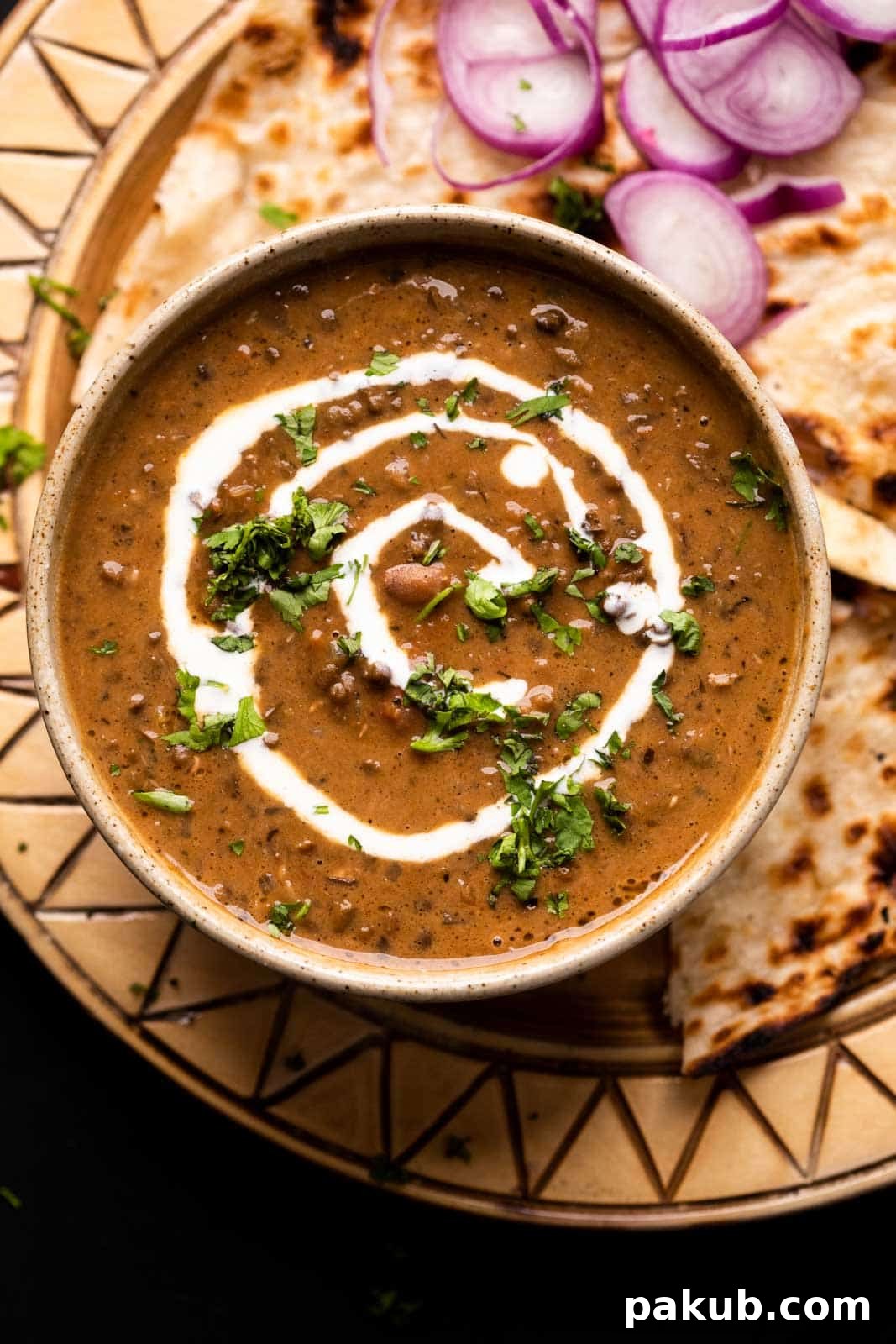
The Ultimate Dal Makhani Recipe: A Culinary Journey to Creamy Perfection
Discover the definitive guide to crafting the most luxurious and buttery Dal Makhani in your own kitchen. This iconic Indian black lentil and kidney bean curry, celebrated for its deep, smoky flavors and velvety texture, can be perfected using a stovetop, traditional pressure cooker, or modern Instant Pot. We’ll walk you through each method, ensuring a flawless, restaurant-quality result that will impress every time!
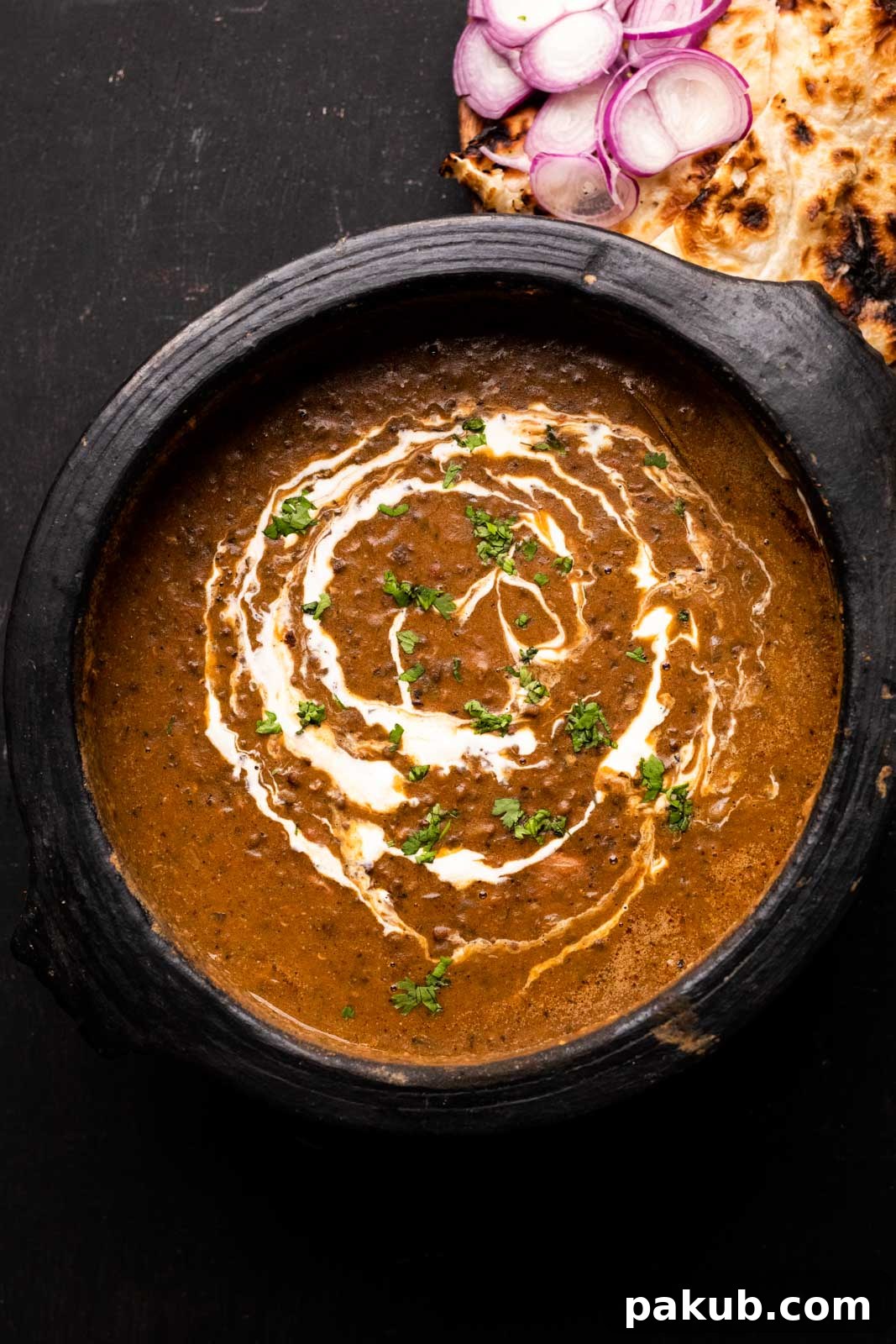
Dal Makhani is far more than just a lentil dish; it is a true culinary masterpiece, a symbol of North Indian hospitality, and a celebration of robust, comforting flavors. Traditionally, this iconic curry embodies a genuine labor of love, requiring meticulous slow cooking for many hours, often overnight, on smoldering coals. This patient, time-honored process allows the whole black urad dal and rajma (kidney beans) to completely break down, merging seamlessly with aromatic spices and generous amounts of dairy to create an unparalleled buttery, creamy, and deeply satisfying consistency. The deep umami, coupled with a subtle smoky undertone, makes it a star dish in any Indian feast.
However, in our increasingly fast-paced modern lives, dedicating an entire night to perfecting a single dish remains a luxury few can consistently afford. Juggling work commitments, family responsibilities, and carving out precious moments for relaxation often means we need efficient yet equally delicious culinary solutions. That’s precisely why we’ve embarked on an extensive journey of testing and refining this Dal Makhani recipe. Our goal was to deliver the same authentic flavors and the signature luxurious texture in a fraction of the traditional time. While this recipe still requires a modest investment of approximately two hours for the lentils to cook perfectly and the myriad flavors to harmoniously meld, the majority of this process is reassuringly hands-off. We recommend embracing this recipe as a delightful weekend project – a rewarding culinary endeavor that culminates in a truly unforgettable meal, providing ample, delicious leftovers to savor for several days to come.
Table of Contents: Your Comprehensive Guide to Perfect Dal Makhani
- Picking the Right Lentils for Authentic Dal Makhani
- The Allure of Dal Makhani: A Beloved Indian Icon
- Key Ingredients: What Makes Dal Makhani Truly Shine?
- Mastering the Cook: Stovetop, Pressure Cooker & Instant Pot Techniques
- Frequently Asked Questions About Dal Makhani
- Achieving Restaurant-Style Smoky Flavor (The Dhungar Method)
- Top Tips for Crafting the Best Dal Makhani Ever
- Ideal Serving Suggestions for Your Delicious Dal Makhani
- Storage and Reheating Tips for Leftovers
- Full Dal Makhani Recipe (Stovetop, Pressure Cooker, Instant Pot)
- Watch Our Dal Makhani Recipe Video Tutorial
- Explore More Indulgent Indian Recipes
Picking the Right Lentils for Authentic Dal Makhani
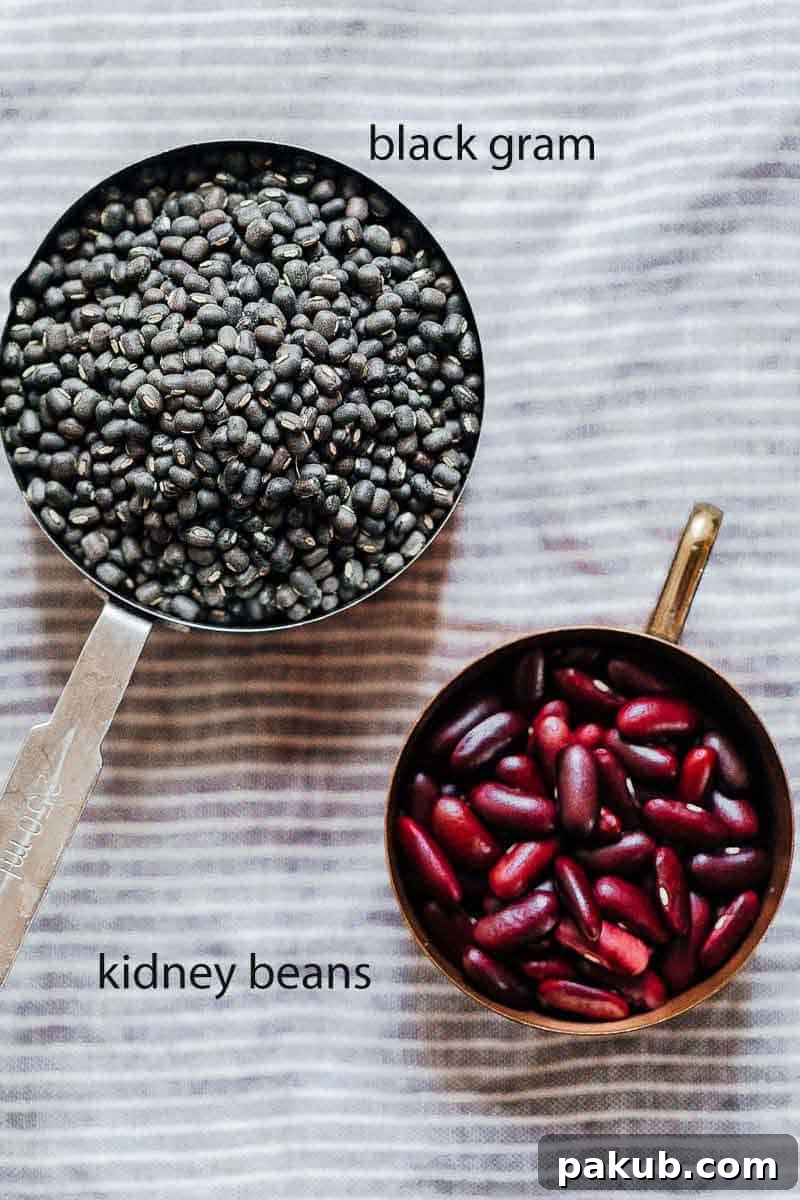
The very soul of an authentic Dal Makhani recipe lies in its selection of specific, high-quality lentils: primarily whole black urad dal (black gram lentils) and rajma (kidney beans). While some recipes might suggest using alternative lentils, adhering to these traditional ingredients is absolutely paramount for achieving the characteristic deep flavor profile and the signature velvety texture that truly defines genuine Dal Makhani. The rich, earthy notes inherent in black urad dal, perfectly complemented by the hearty, subtly sweet profile of kidney beans, together forge a complex and robust base that simply cannot be replicated with other lentil varieties.
Making the slight extra effort to source these specific lentils is genuinely worthwhile and will significantly impact the final dish. If you reside outside of India, there’s good news – most well-stocked Indian grocery stores, particularly across the U.S. and Europe, readily carry both whole black urad dal and rajma. These essential ingredients are generally affordable and widely accessible, making your culinary quest for an authentic homemade Dal Makhani both easy and rewarding. Their availability ensures that you won’t have to compromise on taste or texture, bringing the true essence of this beloved curry right to your dining table.
The Allure of Dal Makhani: A Beloved Indian Icon
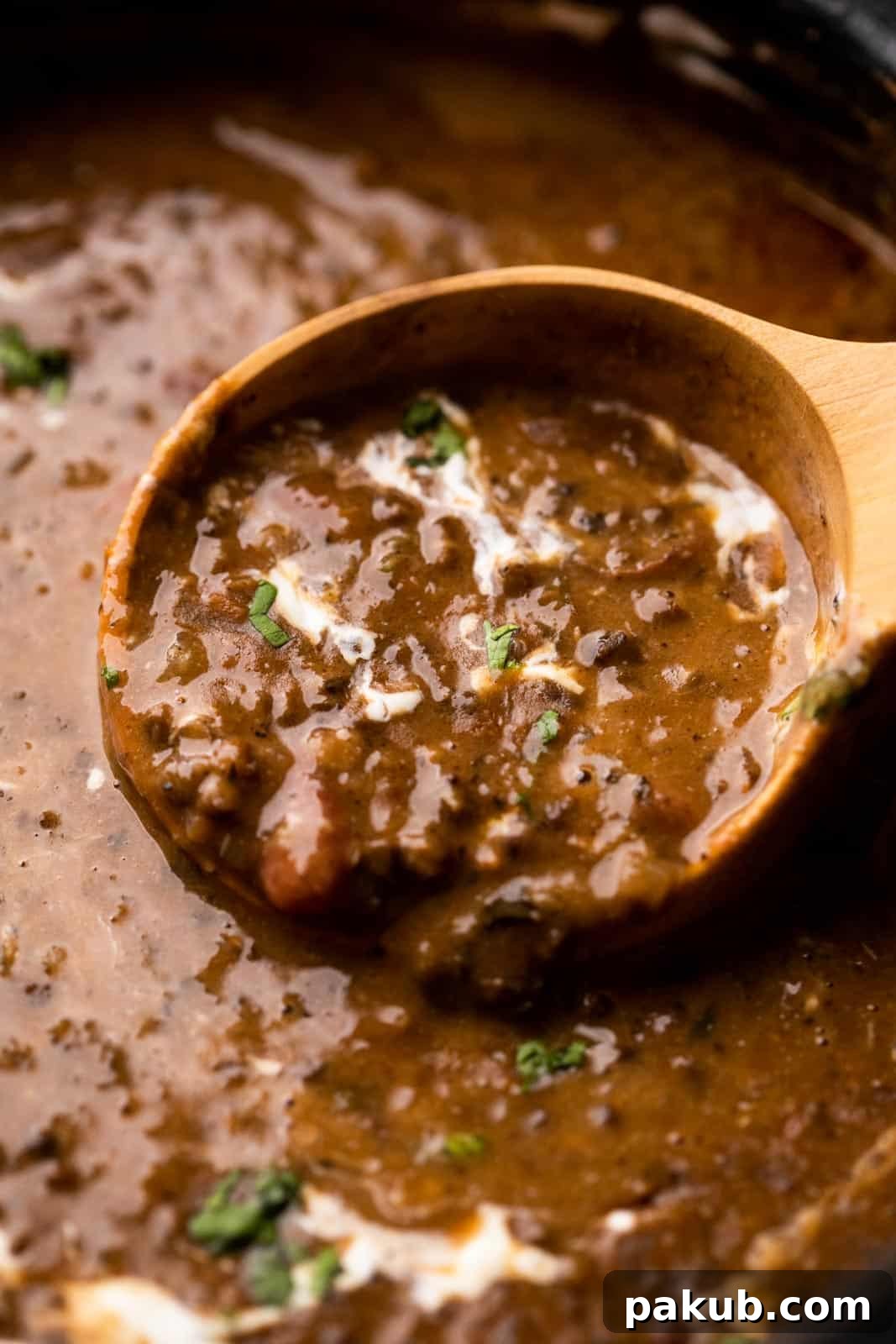
Dal Makhani holds a distinguished place within the vast and diverse tapestry of Indian cuisine, celebrated for its unique richness, profound depth of flavor, and irresistibly creamy texture. It is often the star dish at special occasions, festive gatherings, and a cherished highlight on restaurant menus, revered for its velvety consistency meticulously achieved through prolonged simmering and the lavish incorporation of butter and cream. This dish transcends mere nutrition; it embodies indulgence, offers profound comfort, and serves as a vibrant celebration of robust Indian spices. The harmonious combination of patiently slow-cooked black lentils and kidney beans, a richly aromatic tomato-onion base, and a luxurious creamy finish creates a symphony of textures and tastes that tantalizes the palate and lingers delightfully. Mastering this recipe at home not only empowers you to control the quality of every ingredient but also allows you to savor a truly fresh, wholesome, and deeply satisfying version of this universally beloved classic.
Key Ingredients: What Makes Dal Makhani Truly Shine?
Beyond the foundational lentils, a carefully selected array of ingredients plays crucial roles in defining Dal Makhani’s signature taste and aromatic profile:
- Ghee (Clarified Butter): Ghee is an indispensable element, primarily used for sautéing the whole spices and tempering the curry. Its distinct nutty, rich aroma and flavor form the foundational aromatic backbone of the entire dish, setting the stage for subsequent flavors.
- Whole Spices: A fragrant blend of whole spices including bay leaf, cinnamon stick, cloves, and green cardamom pods is gently infused into the hot ghee. This initial step releases their complex, earthy, and warm fragrances, building layers of authentic Indian flavor from the very beginning.
- Ginger-Garlic Paste & Green Chillies: These fresh aromatics contribute a pungent heat, a vibrant freshness, and a crucial aromatic depth. The quantity of green chillies can be easily adjusted to align with your personal preference for spice level, offering versatility.
- Onions & Tomatoes: Forming the classic base of nearly any exquisite Indian curry, finely chopped onions and smoothly blended tomatoes together create a rich, tangy, and slightly sweet gravy that beautifully coats and complements the tender lentils.
- Ground Spices (Red Chilli Powder & Garam Masala): These finely ground spices are vital for imparting warmth, vibrant color, and the quintessential Indian flavor profile that defines the dish. Paprika can be used as a milder alternative to red chilli powder if you prefer less heat but still desire the appealing color.
- Heavy Cream & Butter: The very name “Makhani,” meaning “buttery,” prominently highlights the critical importance of these dairy components. They are not mere optional additions but fundamental to achieving the signature creaminess, luxurious mouthfeel, and rich finish that characterizes authentic Dal Makhani. For an authentic experience, it is strongly advised not to skimp on these ingredients.
- Kasuri Methi (Dried Fenugreek Leaves): Often an overlooked secret ingredient, Kasuri Methi is an absolute game-changer in Dal Makhani. When lightly roasted and then crushed between your palms just before adding, it imparts a distinctive slightly bitter, earthy, and intensely aromatic note that magically rounds out the complex flavors and bestows that coveted restaurant-style finish. It is widely available in most Indian grocery stores and can also be found online, making it a valuable addition to your spice pantry.
Frequently Asked Questions About Dal Makhani
While you might be able to find canned kidney beans, whole black urad dal is rarely available in canned form and must be cooked from its dried state. More importantly, cooking both kidney beans and black urad dal together from their dried, soaked state is highly recommended. This simultaneous cooking process allows their individual flavors to meld and intertwine more effectively, resulting in a more cohesive, authentic, and deeply flavored profile for your Dal Makhani. Furthermore, using dried lentils is generally more cost-effective and, contrary to popular belief, may not significantly reduce the overall cooking time given that the urad dal will still require considerable attention to achieve its desired tenderness. Therefore, we advise sticking to dried lentils for the best results.
Absolutely! The traditional Dal Makhani recipe is undeniably rich with butter and ghee, which contribute significantly to its characteristic creamy texture and decadent flavor. However, if you adhere to a vegan diet or are lactose intolerant, you can still relish a wonderfully delicious version of this beloved dal. To begin, substitute ghee with a neutral-flavored oil (such as canola, sunflower, or avocado oil) or a high-quality vegan butter substitute. For the essential creaminess, incorporate approximately 1/4 cup of smooth cashew cream during the simmering phase, and, if desired, another 1/4 cup of full-fat coconut milk (or additional cashew cream) towards the very end of the cooking process. While coconut milk may impart a subtle coconut flavor, the small quantity used typically ensures it will be barely noticeable, if at all, allowing the core flavors of the dal to shine.
Soaking the whole black urad dal and kidney beans for a minimum of 8-10 hours, or preferably overnight, is an absolutely crucial step. This pre-preparation hydrates the lentils thoroughly, which not only significantly reduces their actual cooking time but also ensures they cook evenly and become incredibly tender and creamy. Beyond cooking efficiency, soaking also plays a vital role in nutrition and digestibility. It helps to break down complex carbohydrates and phytic acid present in legumes, making the lentils easier for your digestive system to process and minimizing common issues like bloating or indigestion often associated with unsoaked beans.
The ideal consistency for Dal Makhani is thick, luxuriously creamy, and easily pourable. If you find your dal has become too thick after cooking, you can easily rectify this by gradually adding warm water or a splash of warm milk or cream while gently simmering and stirring until it achieves your desired consistency. Conversely, if your dal is too thin, simply continue to simmer it uncovered over low heat, stirring frequently. This will allow some of the excess liquid to evaporate, causing it to naturally thicken. The partial mashing step, as detailed in our instructions, also significantly contributes to achieving that perfect thicker, creamier texture.
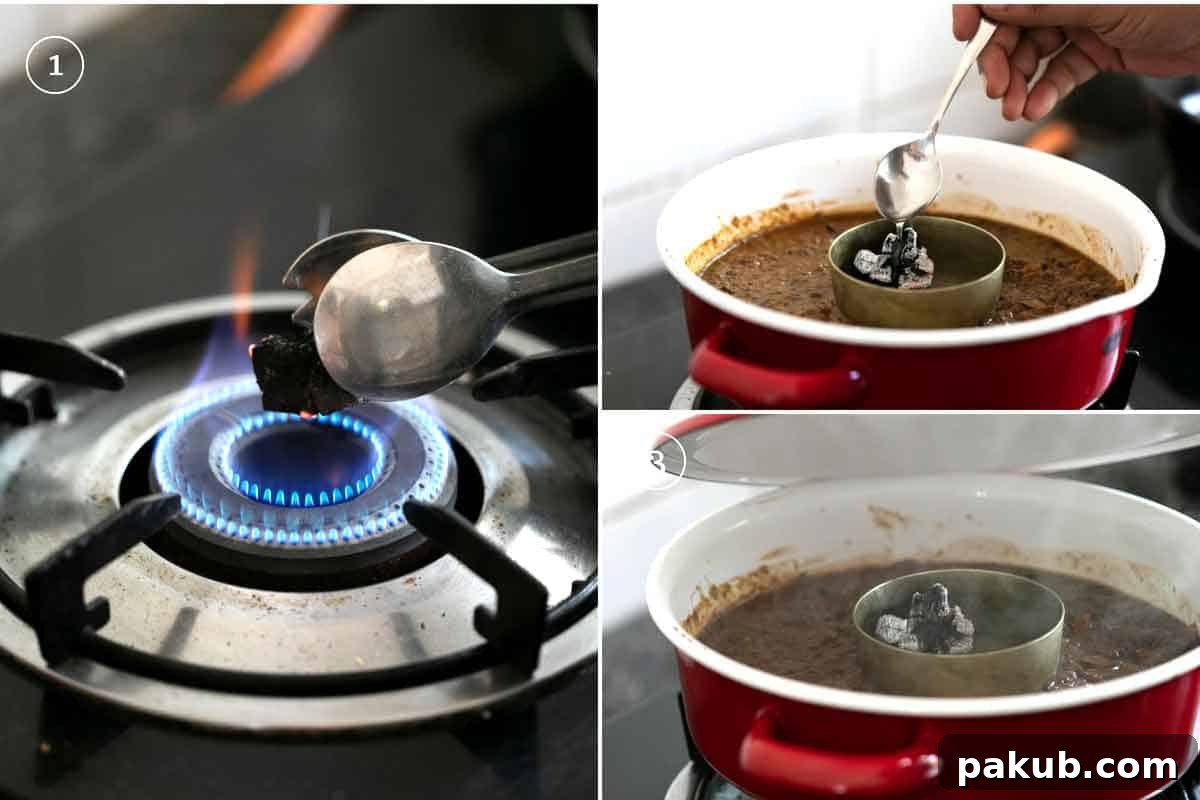
Achieving Restaurant-Style Smoky Flavor (The Dhungar Method)
One of the most captivating and distinguishing characteristics of restaurant-style Dal Makhani is its alluring, deep smoky aroma. This exquisite depth of flavor, traditionally achieved by patiently slow cooking the dal over an open fire or smoldering coals, can now be effortlessly replicated in your own home using a brilliant technique known as “Dhungar.” It’s a simple yet incredibly effective method that will undeniably elevate your homemade dal to a truly professional, gourmet level. All you require is a small, manageable piece of charcoal (often referred to as lump charcoal in many regions) and a little oil or ghee.
Execute this technique towards the very end of the cooking process, once your Dal Makhani is fully prepared, its flavors have melded, and it’s gently resting. Carefully heat a piece of charcoal directly over an open flame on your stovetop or on a small grill until it begins to glow red and appears thoroughly heated. With caution, place this hot, glowing charcoal into a small, heat-proof bowl. Position this bowl directly in the center of your pot of freshly cooked dal. Immediately, pour approximately a tablespoon of ghee or a neutral oil directly over the scorching charcoal. You will instantly hear a satisfying sizzle and observe a plume of fragrant smoke beginning to rise. Swiftly cover the pot with a tight-fitting lid, effectively trapping all the aromatic smoke within. Allow the dal to infuse with this smoky essence for about 5-10 minutes. The rich, earthy smoke emanating from the charcoal will permeate the entire dish, imparting that deep, distinctive, and utterly unmistakable smoky flavor that truly makes Dal Makhani sing and transports you to a gourmet Indian restaurant!
Top Tips To Make The Best Dal Makhani Ever
- Soak Your Pulses Thoroughly: Always ensure the whole black urad dal and rajma are soaked for a minimum of 8 to 10 hours, or ideally, overnight. This step is non-negotiable for tender, easily digestible lentils and significantly reduces cooking time, preventing indigestion and bloating.
- Don’t Skimp on the Dairy: The name “Dal Makhani” literally means “Buttery Dal.” Butter, ghee, and heavy cream are not just garnishes; they are integral to the dish’s signature richness, luxurious texture, and depth of flavor. Embrace them for an authentic experience.
- The Art of Slow Simmering: After the initial cooking of the lentils, allowing the dal to simmer gently for an extended period (at least 20-30 minutes, or even longer if time permits) is profoundly crucial. This slow simmer facilitates the deep melding and development of flavors from the spices, tomato-onion base, and lentils, transforming individual ingredients into a harmonious, complex, and incredibly flavorful curry. Remember to stir occasionally to prevent the dal from sticking to the bottom of the pot.
- Partial Mashing is Key: Once the lentils are thoroughly cooked and tender, lightly mash a portion of them with a potato masher or the back of a sturdy ladle. This strategic step helps to release starches, significantly contributing to the overall creamy, thick consistency of the dal without completely turning the entire dish into a smooth, uniform paste. You want to retain some whole lentils for an appealing textural contrast and bite.
- The Magic of Kasuri Methi: Absolutely do not skip the addition of Kasuri Methi (dried fenugreek leaves). For optimal flavor, lightly roast them in a dry pan for just a few seconds until they become fragrant, then crush them between your palms before stirring into the dal. This simple technique intensifies their unique, slightly bitter, and highly aromatic flavor, providing an authentic, nuanced finish reminiscent of restaurant-quality Dal Makhani.
- Resting Period Enhances Flavor: Much like many stews and curries, Dal Makhani benefits immensely from a dedicated resting period before serving. Allowing it to sit off the heat for 15-30 minutes helps the complex flavors to settle, deepen, and fully develop, and allows the texture to become even more perfect and integrated. Many connoisseurs even find that Dal Makhani tastes significantly better the next day!
- Adjust Spice Levels to Your Palate: While Dal Makhani is renowned for its rich and bold flavor profile, you have complete control over its spice level. You can easily adjust the amount of green chillies, reducing or even omitting them for a milder version, or adding a touch more red chilli powder if you prefer a spicier kick.
- Taste and Adjust Seasoning: Always perform a final taste test of your dal before serving and adjust the salt and any other spices as needed. Sometimes, a little extra pinch of salt, a dash of garam masala, or even a squeeze of fresh lemon juice at the end can make all the difference, balancing and brightening the flavors perfectly.
Mastering the Cook: Stovetop, Pressure Cooker & Instant Pot Techniques
Whether your preference leans towards the meditative, traditional simmering on a stovetop, the rapid efficiency of a pressure cooker, or the unparalleled modern convenience of an Instant Pot, this versatile Dal Makhani recipe adapts flawlessly to each method. Every approach is carefully designed to achieve the same result: exquisitely tender lentils, deeply infused flavors, and a signature creamy texture, albeit with varying cooking times and levels of hands-on attention.
- Stovetop Method: This method most closely mirrors the traditional slow-cooking process, requiring approximately an hour of gentle simmering for the lentils after their initial soaking. It offers the greatest degree of control over the texture and allows for a gradual, nuanced development of complex flavors, making it an ideal choice for those who relish the ritual and sensory experience of traditional cooking.
- Traditional Pressure Cooker: A traditional pressure cooker dramatically cuts down the overall cooking time, positioning it as an excellent choice for busy weeknight meals or whenever time is a critical factor. The elevated pressure within the cooker ensures that the lentils become incredibly soft, creamy, and thoroughly cooked in a significantly shorter duration, typically around 45 minutes to an hour of active cooking time.
- Instant Pot Method: The Instant Pot truly offers the best of both culinary worlds – combining impressive speed with remarkable convenience. Its integrated sauté function allows you to build the aromatic flavor base directly within the pot, after which the pressure cooking mode efficiently tenders the lentils to perfection. This method is largely hands-off once set, making it an indispensable tool for busy home cooks seeking delicious results without constant supervision.
Regardless of the cooking method you ultimately choose, the fundamental keys to success remain consistent: proper and thorough soaking of the lentils, and allowing sufficient time for the flavors to truly meld and deepen during the final simmering stage. This crucial combination transforms the individual, raw ingredients into a rich, cohesive, and utterly irresistible Dal Makhani.
Ideal Serving Suggestions for Your Delicious Dal Makhani
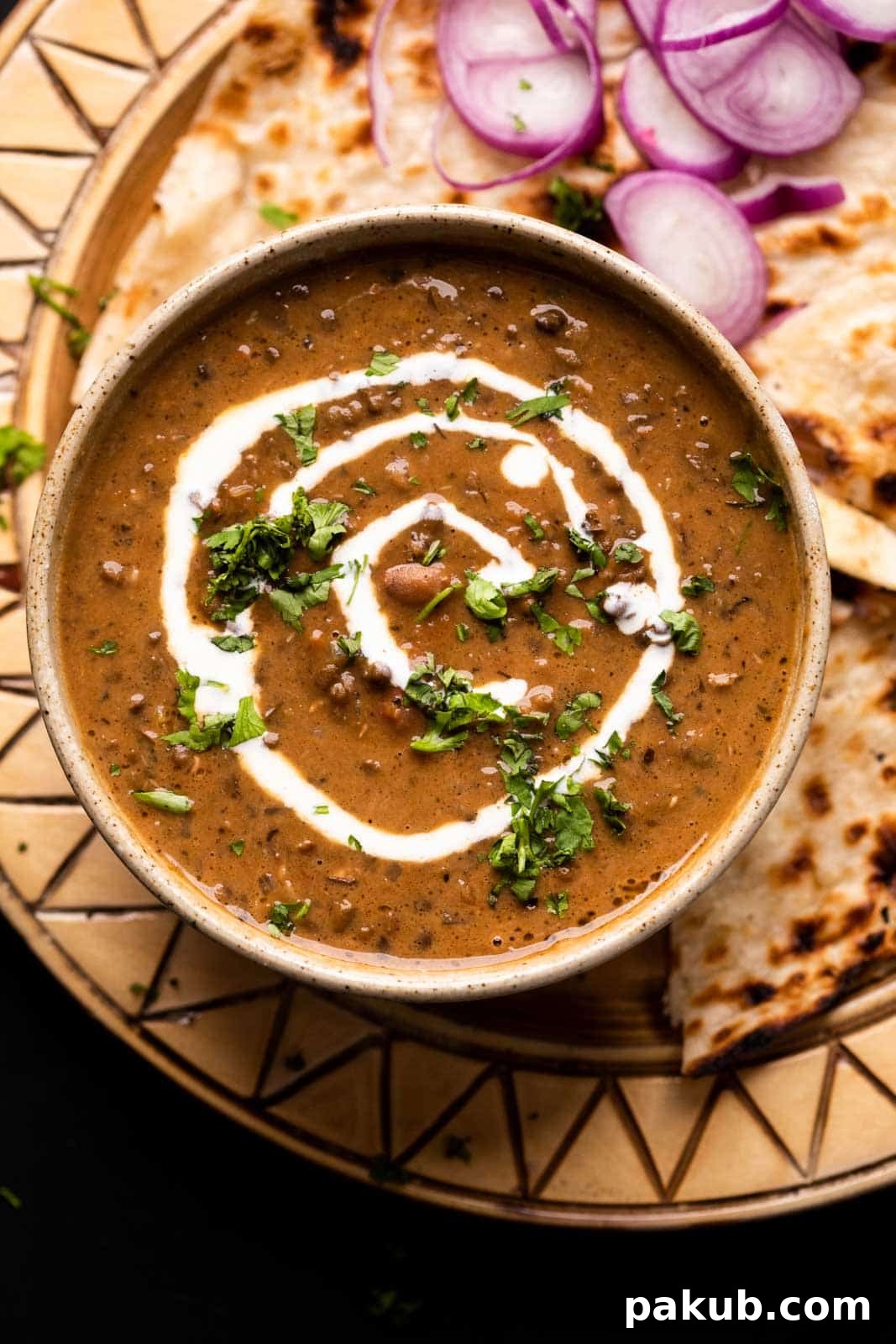
Dal Makhani is an exceptionally versatile dish that harmonizes wonderfully with a diverse array of Indian breads and rice preparations. For an truly indulgent and memorable dining experience, serve your Dal Makhani piping hot alongside some freshly made butter garlic naan or fragrant, fluffy jeera rice (cumin-infused rice). The rich, creamy texture and deep flavors of the dal provide a magnificent contrast and complement to the soft, chewy naan or the light, aromatic rice. It also tastes incredible with simple homemade roti, flaky paratha, or even plain steamed basmati rice, offering delightful versatility for any meal. To add a refreshing counterpoint to the dal’s richness, consider serving it with a side of crisp fresh salad or thinly sliced onions, perhaps lightly marinated in a squeeze of lemon juice. And for that ultimate, authentic flourish, never forget an extra drizzle of fresh cream or a small knob of melting butter on top just before serving. We highly encourage you to make a generous batch and share this delightful curry with your family and loved ones – it’s guaranteed to earn you countless compliments and bring smiles all around!
Storage and Reheating Tips for Leftovers
Dal Makhani is one of those exceptional dishes that often tastes even more profound and delicious the day after it’s prepared, as the complex flavors continue to develop and meld together overnight. You can conveniently store any leftover Dal Makhani in an airtight container in the refrigerator for a period of up to 3-4 days. For extended storage, Dal Makhani freezes beautifully for up to 2-3 months. When preparing to reheat frozen dal, it’s best to thaw it in the refrigerator overnight to ensure even reheating.
To reheat, gently warm the dal on the stovetop over low heat, stirring occasionally to prevent sticking and ensure even temperature distribution, or simply heat it in the microwave. It’s quite common for the dal to thicken considerably during storage. If this occurs, effortlessly restore its perfect consistency by adding a splash of warm water, milk, or cream until it reaches your desired texture. Stir thoroughly and ensure it is heated through to the core. A final fresh swirl of cream or a sprinkle of freshly chopped cilantro just before serving will revitalize its appearance and enhance its inviting aroma, making your leftovers taste just as spectacular as the freshly cooked batch.
Dal Makhani – The Ultimate Recipe! (Stovetop, Pressure Cooker and Instant Pot)
By: Richa
This is the ultimate recipe for Dal Makhani – a buttery, luscious lentil curry. The lentils are cooked in an onion, tomato mixture and finished with a lot of cream. This recipe is a weekend project, but it’ll make you enough that leftovers will last you a few days.
Prep Time: 15 mins
Cook Time: 2 hrs
Total Time: 2 hrs 15 mins
Servings: 5 Portions
Rating: 4.85 out of 5 stars (from 39 votes)
Pin Recipe | Rate Recipe | Print Recipe
Equipment
- Large Pot or Dutch Oven (for Stovetop Method)
- Traditional Pressure Cooker (for Pressure Cooker Method)
- Instant Pot (for Instant Pot Method)
- Potato Masher
- Small Heat-Proof Bowl (for smoking, Dhungar method)
Ingredients
- For Soaking:
- 1 cup Black Whole Urad Dal (whole Black Gram Lentils)
- ¼ cup Rajma (Kidney Beans)
- Enough water to cover by an inch (for soaking)
- For Cooking Lentils (Initial Phase):
- 4 cups Water (for cooking)
- ¼ teaspoon Salt
- For the Curry Base:
- 3 tablespoons Ghee (clarified butter)
- 1 Bay Leaf
- 1 inch Cinnamon Stick
- 4-5 Cloves
- 2-3 Cardamom Pods
- 1 tablespoon Ginger Garlic Paste
- 3 Green Chillies, finely chopped (or use Serrano Peppers, adjust to taste)
- 1 large Onion, finely chopped
- 4 Tomatoes, coarsely blended
- 1 ½ teaspoon Red Chilli Powder (or Paprika)
- 1 ½ teaspoon Salt, divided
- 1 teaspoon Garam Masala
- For Finishing & Garnish:
- 1/4 cup Heavy Cream
- 2 tablespoons Butter
- 2 tablespoons Kasuri Methi (dried Fenugreek), roasted and crushed
- More cream for topping (optional)
- For Smoking Dal Makhani (Dhungar Method):
- 1 piece Charcoal (or lumpcoal)
- 1 tablespoon Oil (or Ghee)
Instructions
Pre-preparation (Applies to all methods):
- Soak the black urad dal (black gram) and rajma (kidney beans) in ample water, ensuring there’s at least an inch of water above the lentils. Allow them to soak for a minimum of 8 hours, or ideally, overnight. This is crucial for proper cooking and digestion.
Method 1: Stovetop Dal Makhani
- Cook the Lentils: Drain the soaked urad dal and rajma thoroughly. Transfer them to a large pot or Dutch oven, add 1/4 teaspoon of salt and 4 cups of fresh water. Bring the mixture to a rolling boil, then reduce the heat to a gentle simmer. Cover the pot and cook for approximately 1 hour, or until the beans are tender enough to be easily mashed between your fingers. Ensure the dal remains submerged; add more hot water if necessary.
- Partially Mash Lentils: Once cooked, lightly mash the lentils and beans in the pot with a potato masher. The goal is to break down some, but not all, of the lentils to achieve a creamy texture while retaining some whole beans for bite.
- Prepare the Curry Base (Tadka): In a separate heavy-bottomed pot or Kadai, heat 3 tablespoons of ghee over medium heat. Add the bay leaf, cinnamon stick, cloves, and cardamom pods. Sauté for 1-2 minutes until the spices become fragrant.
- Sauté Aromatics: Add the ginger-garlic paste, finely chopped green chillies, and finely chopped onion to the pot. Sauté until the onions turn translucent and soft, about 5-7 minutes.
- Add Tomatoes & Spices: Stir in the coarsely blended tomatoes, red chilli powder (or paprika), 1 ½ teaspoon of salt (divided, adjust to taste), and garam masala. Cook this mixture, stirring occasionally, until the tomatoes soften, release their oil, and the paste thickens, forming a rich, mushy consistency (approx. 8-10 minutes).
- Combine and Simmer: Transfer the cooked and partially mashed lentils and beans from step 3 into the pot with the curry base. Add 1 cup of fresh water. Bring the mixture to a boil, then reduce the heat to a low simmer. Continue to cook for at least 20 minutes, or until the dal has thickened to your desired consistency. Stir frequently to prevent the dal from sticking to the bottom of the pot.
- Finish with Dairy & Kasuri Methi: Turn off the flame. Stir in the heavy cream, butter, and the roasted and crushed kasuri methi.
- Rest Before Serving: Cover the pot and allow the Dal Makhani to rest for at least 15 minutes before serving. This resting period allows the flavors to deepen and meld beautifully. For best results, Dal Makhani is often prepared the day before serving. Garnish with more fresh cream if desired.
Method 2: Traditional Pressure Cooker Dal Makhani
- Prepare the Curry Base: Heat 3 tablespoons of ghee in a traditional pressure cooker over medium heat. Add the bay leaf, cinnamon stick, cloves, and cardamom pods. Sauté for 1-2 minutes until fragrant.
- Sauté Aromatics & Tomatoes: Add ginger-garlic paste, finely chopped green chillies, and finely chopped onion. Sauté until the onions are translucent. Stir in the blended tomatoes, red chilli powder, 1 ½ teaspoon of salt, and garam masala. Cook, stirring, until the tomatoes are mushy and the mixture is well combined.
- Add Lentils & Pressure Cook: Drain the soaked urad dal and rajma and add them to the pressure cooker along with 4 cups of fresh water. Close the lid and cook on high pressure for approximately 45 minutes, or until 8-10 whistles are released (depending on your cooker and altitude). Allow the pressure to release naturally.
- Mash and Simmer: Once the pressure has fully released, open the lid. Lightly mash a portion of the lentils with a potato masher to achieve a creamy texture. Simmer the dal, uncovered, for another 20 minutes on low heat, stirring occasionally, until it thickens to your preference.
- Finish and Rest: Mix in the heavy cream, butter, and roasted and crushed kasuri methi. Turn off the heat and let the dal sit for 15 minutes before serving, garnished with more cream.
Method 3: Instant Pot Dal Makhani
- Sauté Spices & Aromatics: Press the “Sauté” function on your Instant Pot and add 3 tablespoons of ghee. Once hot, add the bay leaf, cinnamon stick, cloves, and cardamom pods. Sauté for 2 minutes until fragrant.
- Build the Flavor Base: Add garlic, ginger, green chillies, and finely chopped onion. Sauté until the onions become translucent. Stir in the blended tomatoes, red chilli powder, 1 ½ teaspoon of salt, and garam masala. Continue to sauté, stirring, until the tomatoes become mushy and the mixture thickens.
- Add Lentils & Pressure Cook: Press “Cancel” to turn off the Sauté function. Drain the soaked lentils and add them to the Instant Pot along with 3 cups of fresh water. Secure the lid and set the valve to “Sealing.” Select the “Pressure Cook” or “Manual” function and set the timer for 45 minutes on High Pressure.
- Release Pressure & Mash: Once cooking is complete, allow the pressure to release naturally for 10 minutes, then manually release any remaining pressure. Open the lid. Lightly mash a portion of the lentils with a potato masher directly in the pot to achieve creaminess.
- Simmer to Thicken: Press the “Sauté” function again (on Low setting if available). Simmer the dal for another 20 minutes, stirring occasionally to prevent sticking, until it thickens to your desired consistency.
- Final Touches: Turn off the Sauté function. Stir in the heavy cream, butter, and roasted and crushed kasuri methi. Switch to “Keep Warm” mode and let the dal rest for 15 minutes before serving. Garnish with more cream as desired.
Optional: Smoking Dal Makhani (Dhungar Method)
- To infuse your Dal Makhani with an authentic smoky flavor, heat a piece of charcoal on an open flame or grill until it glows red.
- Place a small, heat-proof bowl in the center of the pot of prepared Dal Makhani. Carefully place the hot, glowing charcoal into this bowl.
- Pour 1 tablespoon of oil (or ghee) over the hot charcoal. Immediately cover the entire pot with a tight-fitting lid to trap the smoke. Let it smoke for 5-10 minutes. Remove the charcoal bowl before serving.
Notes
- Whole urad dal (black gram) and rajma (kidney beans) are readily available at most Indian grocery stores.
- Kasuri Methi (dried fenugreek leaves) are crucial for rounding out the flavors. They are available online and in Indian stores, and are used in many Indian recipes, making them a worthwhile pantry staple.
- Do not compromise on the heavy cream and butter; these ingredients are vital for Dal Makhani’s distinct luxurious texture and rich flavor.
- Adjust the spice levels to your preference by modifying the quantity of green chillies and red chilli powder.
Nutrition Information (per serving)
This information is approximate and may vary based on specific ingredients and preparation.
- Calories: 345 kcal
- Carbohydrates: 31g
- Protein: 13g
- Fat: 20g
- Saturated Fat: 9g
- Cholesterol: 39mg
- Sodium: 778mg
- Potassium: 291mg
- Fiber: 11g
- Sugar: 4g
- Vitamin A: 1113 IU
- Vitamin C: 20mg
- Calcium: 64mg
- Iron: 4mg
Watch How to Make Dal Makhani: Recipe Video Tutorial
Enjoyed this recipe?
We’d love to hear from you! Please consider rating this recipe and leaving a comment below to share your experience.
Rate and Comment Below!
Other Indulgent Indian Recipes for You:
- Dhaba Style Dal Fry
- Simple Dal Tadka
- Bulgur Wheat Daliya
- Butter Chicken
- Dhaba Style Chicken Curry
This recipe was first published on August 23, 2018 and comprehensively updated on February 18, 2021 with an exciting new video and fresh pictures. The beloved core recipe, however, remains perfectly unchanged.