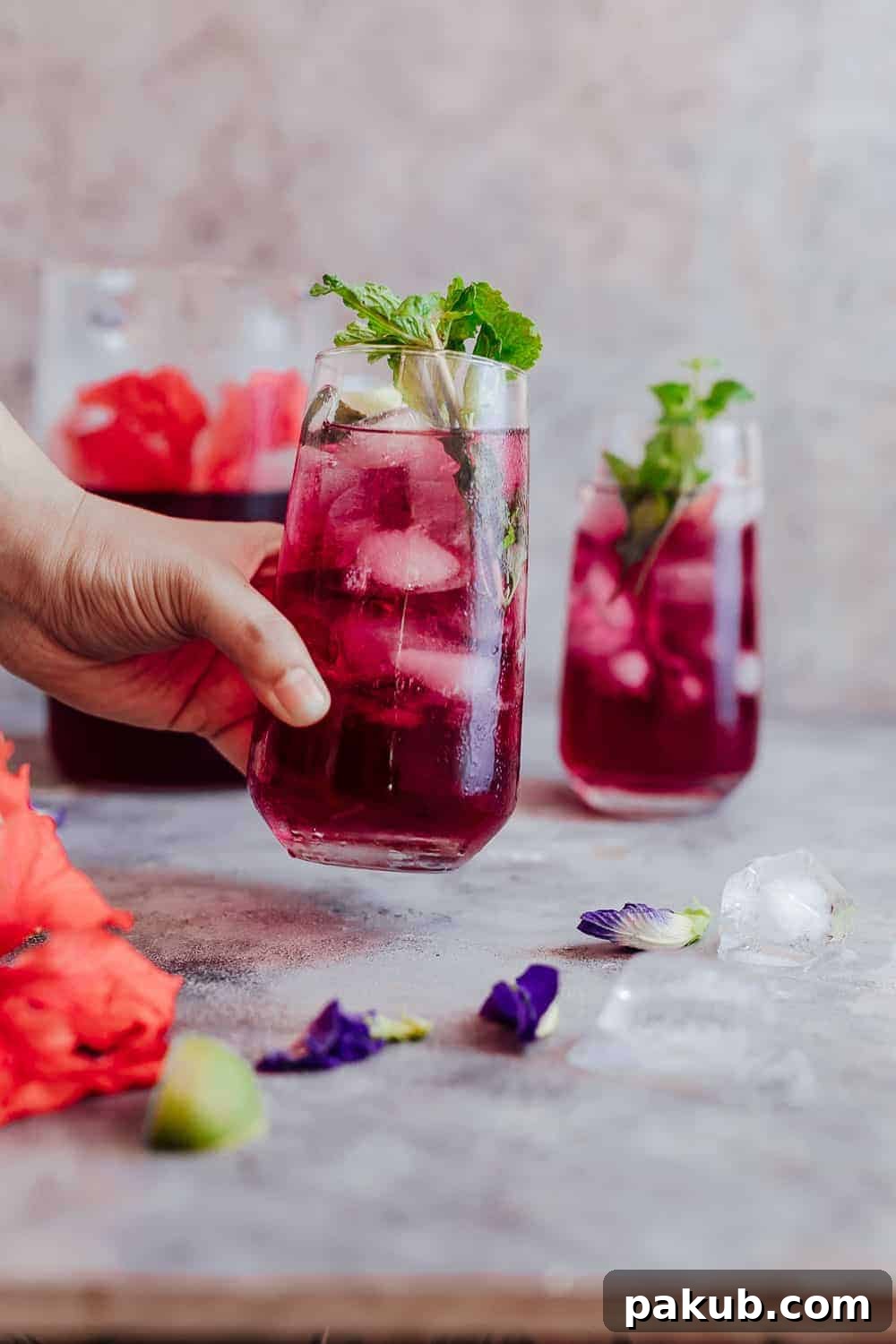
Unlock the refreshing taste and incredible health benefits of hibiscus tea. Whether you prefer it hot or chilled, made with fresh or dried flowers, this guide will show you how to brew the perfect cup of this delicious and incredibly beneficial herbal infusion.
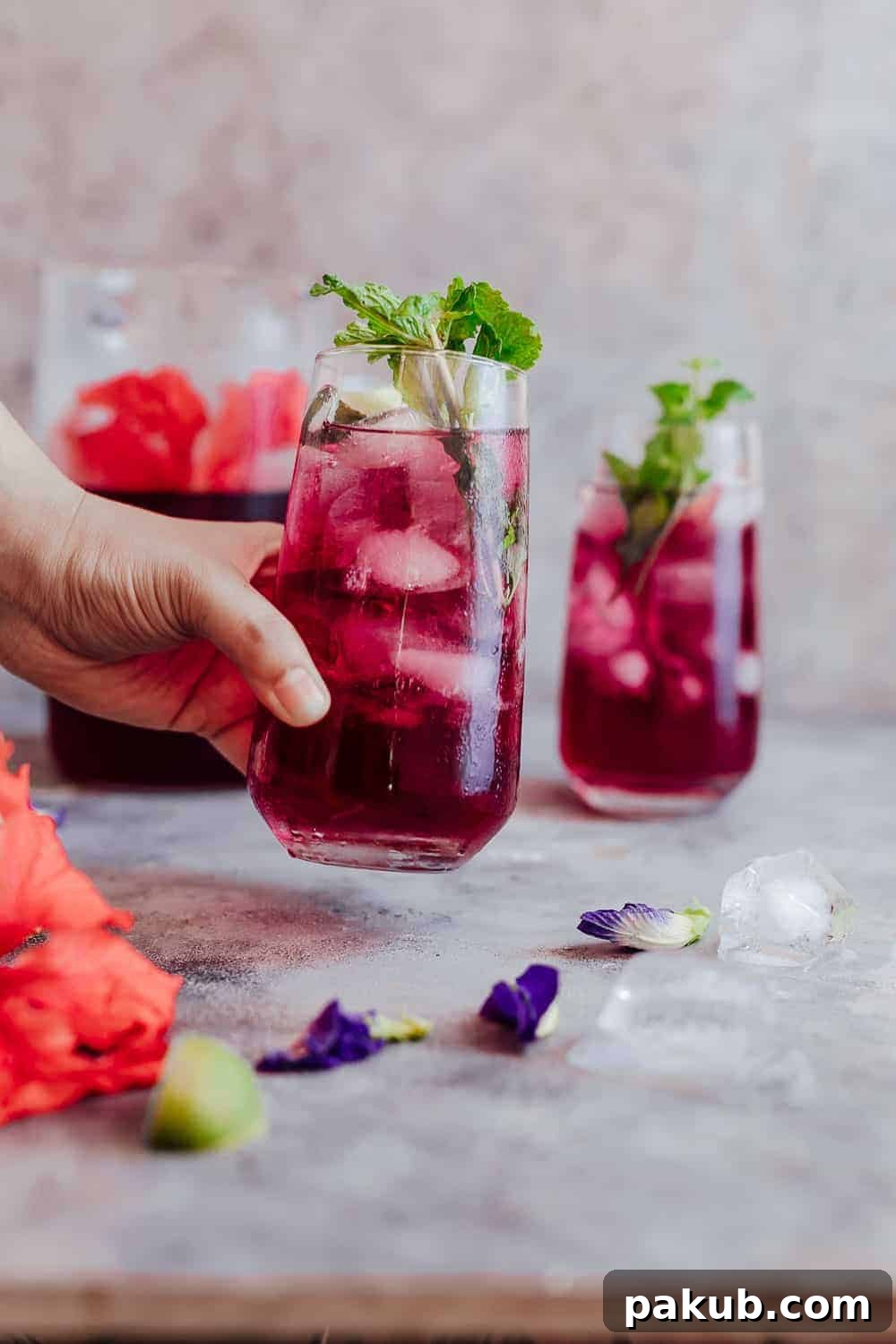
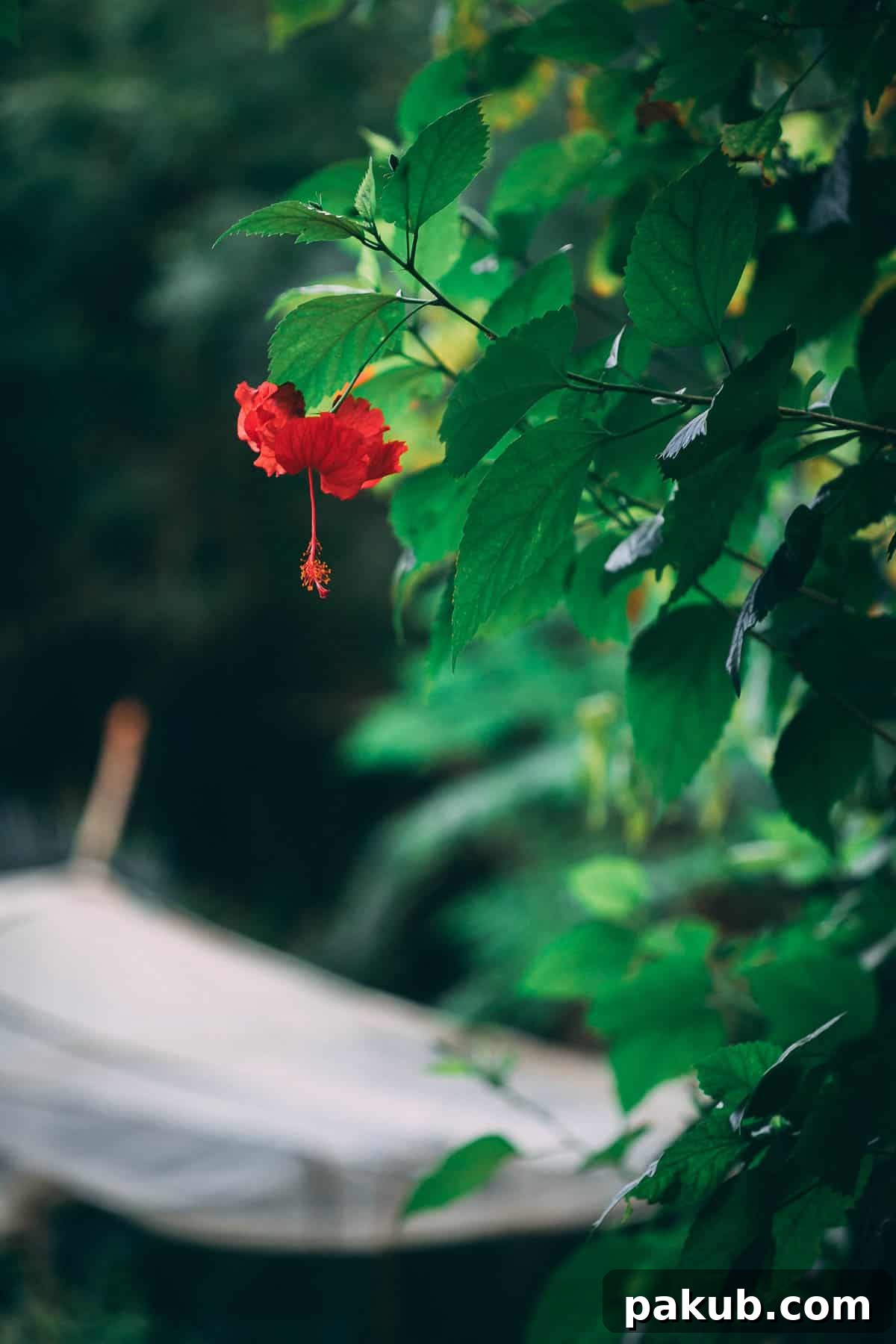
There’s nothing quite like the vibrant allure of hibiscus tea. In our new garden, a magnificent hibiscus tree graces us with a daily bounty of its spectacular flowers. When combined with the generous blooms from our neighbor’s garden, we find ourselves with an abundance of these gorgeous blossoms – a delightful “problem” when you consider they make the most exquisite hibiscus tea.
My recent demonstration of how to make hibiscus tea on Instagram stories sparked an incredible wave of interest. The response was overwhelming, with many followers sharing their own creative uses for this edible superfood and highlighting its myriad health advantages. It quickly became clear that this ancient botanical wonder deserved a dedicated deep dive. Thus, I’ve gathered all the valuable insights and information to share with you, helping you embrace the magic of homemade hibiscus tea.
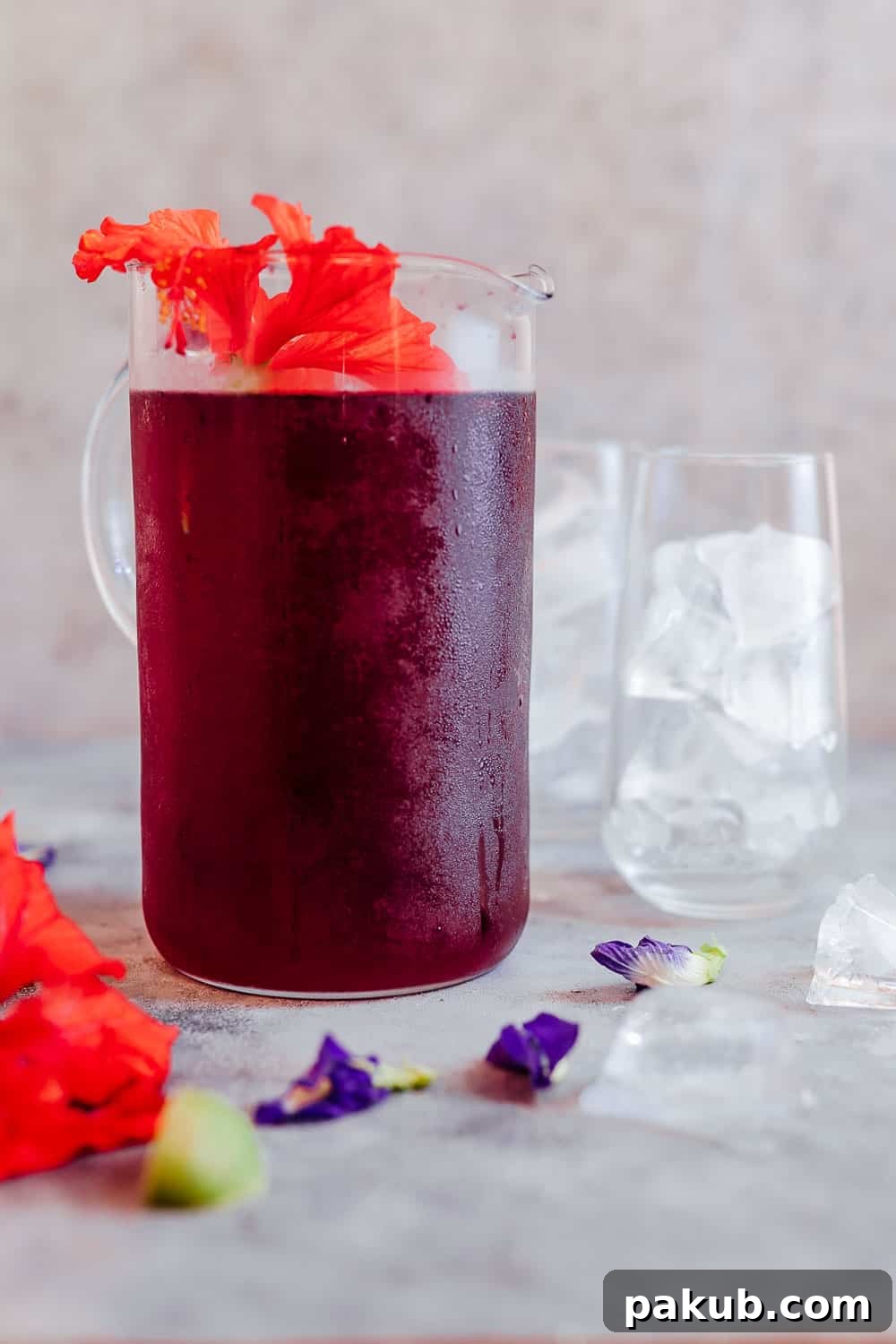
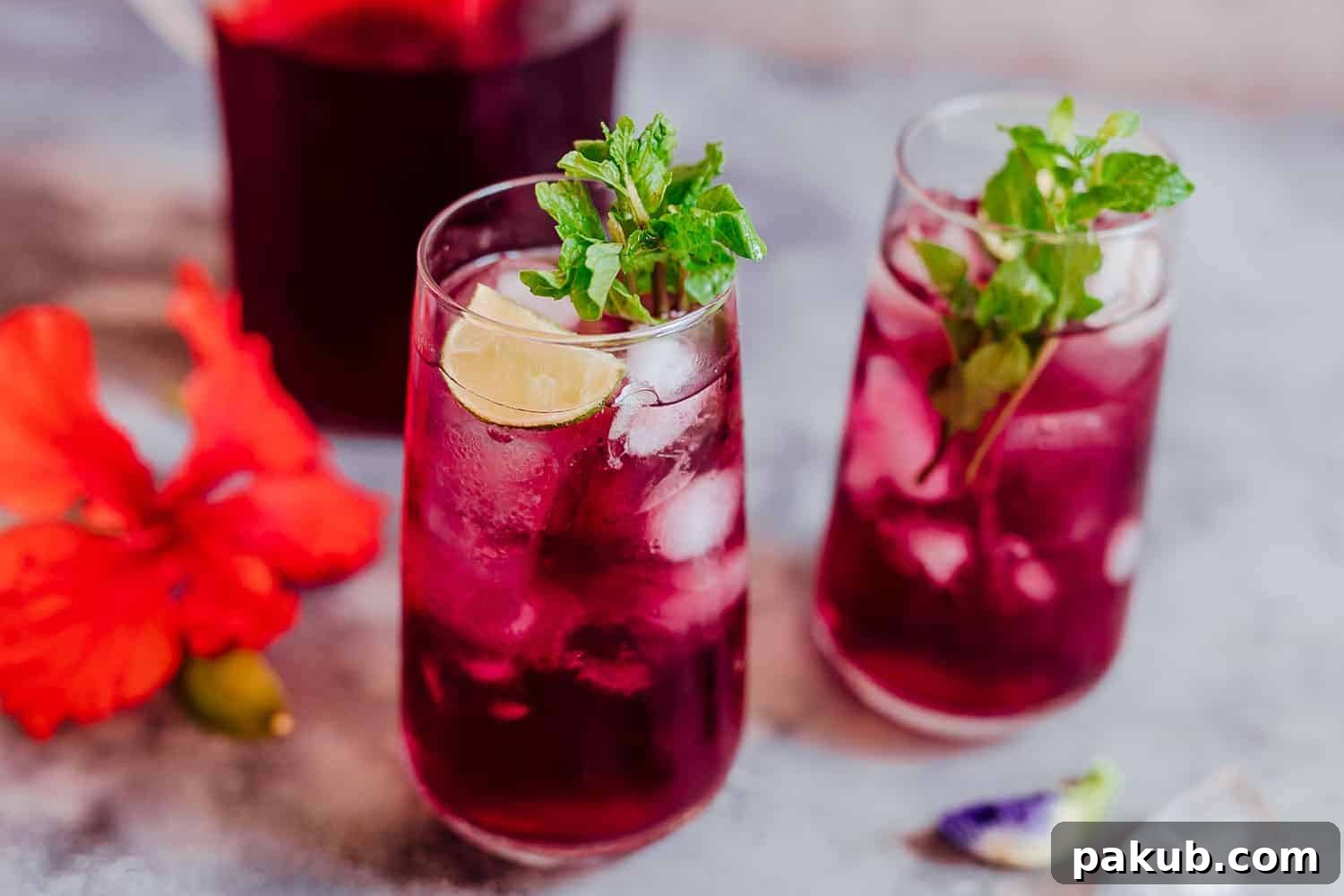
One of the most captivating aspects of brewing hibiscus tea at home is its breathtaking color. The infusion transforms water into a gorgeous, deep ruby-red or pink hue that’s truly unmatched. This visual appeal, combined with its refreshing taste, makes it an instant favorite, especially as the afternoons here grow warmer, making a chilled glass of iced hibiscus tea an absolute delight.
Our journey with hibiscus began thanks to our wonderful helper, Amma. She noticed us collecting the fallen flowers and was thrilled to introduce us to their culinary and cosmetic potential. Beyond crafting a fantastic hibiscus hair mask that doubles as a natural conditioner, she taught us the traditional way to prepare this invigorating tea. While she prefers it served hot with a touch of honey and a squeeze of lime, I’m utterly smitten with the iced version. Its stunning appearance alone is enough to make it irresistible!
What is Hibiscus? A Botanical Marvel
Hibiscus refers to a genus of flowering plants belonging to the mallow family, Malvaceae. These plants are predominantly found in warm temperate, subtropical, and tropical regions across the globe. Known for their striking, large, and vibrantly colored flowers, hibiscus species vary greatly in shape, size, and hue, presenting a kaleidoscope of whites, yellows, pinks, oranges, and reds.
In regions like India, the climate provides ideal conditions for hibiscus to flourish, making it a common sight in gardens and landscapes. While often cherished for its ornamental beauty, the hibiscus flower holds significant cultural, culinary, and medicinal value in many traditions worldwide. It’s much more than just a pretty face in the garden!
Of the hundreds of hibiscus species, the most renowned for culinary and medicinal applications is Hibiscus sabdariffa, commonly known as Roselle. This particular variety is the source of the dried calyces often used to make the popular tart red drink. While *H. sabdariffa* flowers themselves come in various colors, the deep red and pink varieties are most prized for their rich pigmentation and distinct flavor profile, which translates beautifully into a delicious and healthful tea.
Which Parts of the Hibiscus Flower Are Edible?
When preparing hibiscus tea or incorporating it into other culinary creations, it’s crucial to know which parts of the flower are safe and recommended for consumption. For most home preparations, especially tea, we primarily focus on the vibrant petals of the hibiscus flower. These petals are where much of the flavor and beneficial compounds reside.
It is generally recommended to discard the stamen (which includes the anther and filament), the pistil (comprising the stigma, style, and ovary), and any pollen. These parts, while not necessarily toxic in small amounts, can sometimes impart an undesirable texture or flavor, or simply aren’t as palatable as the petals. The calyx, which is the green, leafy base that encases the petals and attaches to the stem, is also edible and often used in commercial preparations for its tartness. However, for a pure petal-infused tea, it’s typically removed along with the other non-petal parts to ensure the cleanest flavor.
Always ensure that any hibiscus flowers you use for consumption are food-grade and free from pesticides or chemical treatments. If you’re foraging, be absolutely certain of the species and its safety for human consumption.
Unveiling the Remarkable Health Benefits of Hibiscus Tea
The hibiscus plant is revered in many cultures for its extensive medicinal properties, making its tea a wonderfully healthy and flavorful addition to your daily routine. Like many other herbal infusions, this easy-to-make hibiscus tea offers a broad spectrum of health advantages, supported by traditional use and emerging scientific research:
- Blood Pressure Regulation: One of the most celebrated benefits of hibiscus tea is its potential to naturally lower blood pressure. Studies suggest that regular consumption can significantly reduce both systolic and diastolic blood pressure, thereby lowering the risk of heart disease and stroke. This is attributed to its diuretic properties and ability to relax blood vessels.
- Rich in Antioxidants: Hibiscus tea is a powerhouse of antioxidants, particularly anthocyanins (which give it its vibrant red color), and vitamin C. These compounds combat free radicals in the body, protecting cells from oxidative stress and damage, which can contribute to chronic diseases and premature aging.
- Immunity Booster: Thanks to its high vitamin C content, hibiscus tea can help strengthen your immune system, making your body more resilient against common colds and infections. It stimulates the production of T cells and B cells, which are crucial components of the adaptive immune response.
- Cholesterol Management: Research indicates that hibiscus tea may help improve cholesterol levels by reducing “bad” low-density lipoprotein (LDL) cholesterol and triglycerides, while potentially increasing “good” high-density lipoprotein (HDL) cholesterol. This contributes significantly to cardiovascular health.
- Alleviates Menstrual Discomfort: For those who suffer from menstrual cramps, hibiscus tea can offer natural relief. Its anti-inflammatory properties may help soothe discomfort and reduce the severity of cramps. Some also suggest it aids in balancing hormones, making periods more manageable.
- Supports Liver Health & Detoxification: Hibiscus tea has been shown to support liver function by protecting it from damage and improving its ability to detoxify the body. Its antioxidant activity plays a key role in maintaining a healthy liver.
- Aids in Weight Management: While not a miracle cure, hibiscus tea may support weight loss efforts. It contains compounds that can inhibit the production of amylase, an enzyme that breaks down complex sugars, which might help reduce the absorption of carbohydrates. Its mild diuretic effect also helps reduce water retention.
Despite its many advantages, it’s crucial to acknowledge that hibiscus tea can also have certain side effects or contraindications for some individuals.
Important Considerations & Potential Side Effects of Hibiscus Tea
While generally safe for most people, hibiscus tea can interact with certain medications or medical conditions, and should be consumed with awareness. It’s always best to consult a healthcare professional before incorporating any new herbal remedy into your diet, especially if you have underlying health issues or are taking medication.
- Pregnancy and Fertility: Hibiscus tea can affect estrogen levels and may induce menstruation. For these reasons, it is strongly advised that individuals who are pregnant or trying to conceive should avoid hibiscus tea. It could potentially lead to complications during pregnancy or impact fertility.
- Low Blood Pressure (Hypotension): As hibiscus tea is known to significantly lower blood pressure, individuals who already suffer from low blood pressure should exercise caution or avoid it entirely. Consuming it could lead to an excessive drop in blood pressure, causing dizziness, fainting, or other adverse effects.
- Drug Interactions: Hibiscus tea can interact with certain medications, including blood pressure medications (potentiating their effects), diabetes medications (potentially lowering blood sugar too much), and diuretics. It may also interfere with the efficacy of some anti-malarial drugs like chloroquine.
- Allergic Reactions: Though rare, some individuals might experience allergic reactions to hibiscus, such as itching, rash, or digestive upset.
Living in Auroville, I’ve gradually learned the importance of understanding how different natural ingredients interact with our bodies. We’re surrounded by healthy, local produce, and the community is always eager to share knowledge about their traditional uses and potential impacts. This experience has reinforced the importance of personal awareness and cautious integration of any new medicinal food or drink into one’s diet.
Don’t let these precautions deter you from trying hibiscus tea, as for most, it’s a delightful and beneficial beverage. It’s incredibly simple to make, and you have the flexibility to use either fresh or dried hibiscus flowers. If fresh flowers aren’t readily available where you are, high-quality dried hibiscus flowers are easily found online or in specialty stores.
Sourcing Your Hibiscus Flowers
The quality of your hibiscus tea begins with the quality of your flowers. Whether you choose fresh or dried, a little knowledge can go a long way in ensuring the best flavor and potency for your brew.
- Fresh Hibiscus Flowers: If you’re fortunate enough to have a hibiscus plant or access to fresh, edible flowers, look for vibrant, firm petals without any signs of wilting, browning, or insect damage. The color should be intense and uniform. Gently rinse the flowers under cool water before use. Ensure they are from a source that doesn’t use pesticides or harmful chemicals.
- Dried Hibiscus Flowers (Roselle): Dried hibiscus is widely available and a convenient option year-round. When purchasing, opt for whole, unbroken calyces or large pieces of dried petals. The color should be a deep, rich red, not dull or faded. Avoid products with excessive dust or debris. Always choose reputable brands, preferably organic, to ensure you’re getting pure hibiscus without added colorings or preservatives. Dried hibiscus is often sold as “Roselle,” “flor de Jamaica,” or “sour tea.”
Explore More Delightful Tea Recipes:
If you enjoy the soothing and invigorating experience of a well-brewed cup, you might also love these other tea-inspired recipes:
- 5 Amazing Chai Recipes
- Masala Chai Panna Cotta
- Virgin Apple Iced Tea (Mocktail)
How to Make Hibiscus Tea: Hot & Iced Versions
By: Richa
Learn to make this beautiful and healthy hibiscus tea from scratch. Enjoy it warm or perfectly chilled; either way, it’s a delicious and beneficial beverage!
Cook: 20 mins
Total: 25 mins
Servings: 5 Portions
Jump to Instructions |
Print Recipe
Ingredients
- 2 cups Fresh Hibiscus Flowers (petals only), or 1/2 cup dried Hibiscus Flowers
- 8 cups Water
- 1/4 cup Honey (adjust to taste for desired sweetness)
- 3 tablespoons Fresh Lime Juice
- Optional garnishes: Fresh mint leaves, lemon or lime slices
Instructions
- Prepare the Hibiscus: If using fresh hibiscus flowers, gently remove the green calyx at the base of the flower and the thin thread-like pistil from the center. You only need the petals. If using dried flowers, no prior preparation is needed.
- Brew the Tea Base: In a large pot, combine the prepared hibiscus flowers and water. Bring the mixture to a rolling boil over medium-high heat. Once the water begins to boil vigorously, immediately remove the pot from the heat and cover it.
- Steep for Flavor: Allow the tea to steep for 15-20 minutes. This duration is crucial for extracting the vibrant color and flavor without imparting bitterness. During this steeping period, you can also add other optional flavor enhancers like a few fresh basil leaves, a stalk of lemongrass, or some lemon zest for an aromatic twist.
- Sweeten and Acidify: After steeping, remove the flowers and strain the tea through a fine-mesh sieve into a clean pitcher or heatproof container. Add the honey and fresh lime juice to the warm tea. Stir well until the honey is completely dissolved and thoroughly combined. Taste and adjust sweetness or tartness as per your preference.
- Serve Hot or Cold:
- For Hot Tea: Serve immediately in mugs.
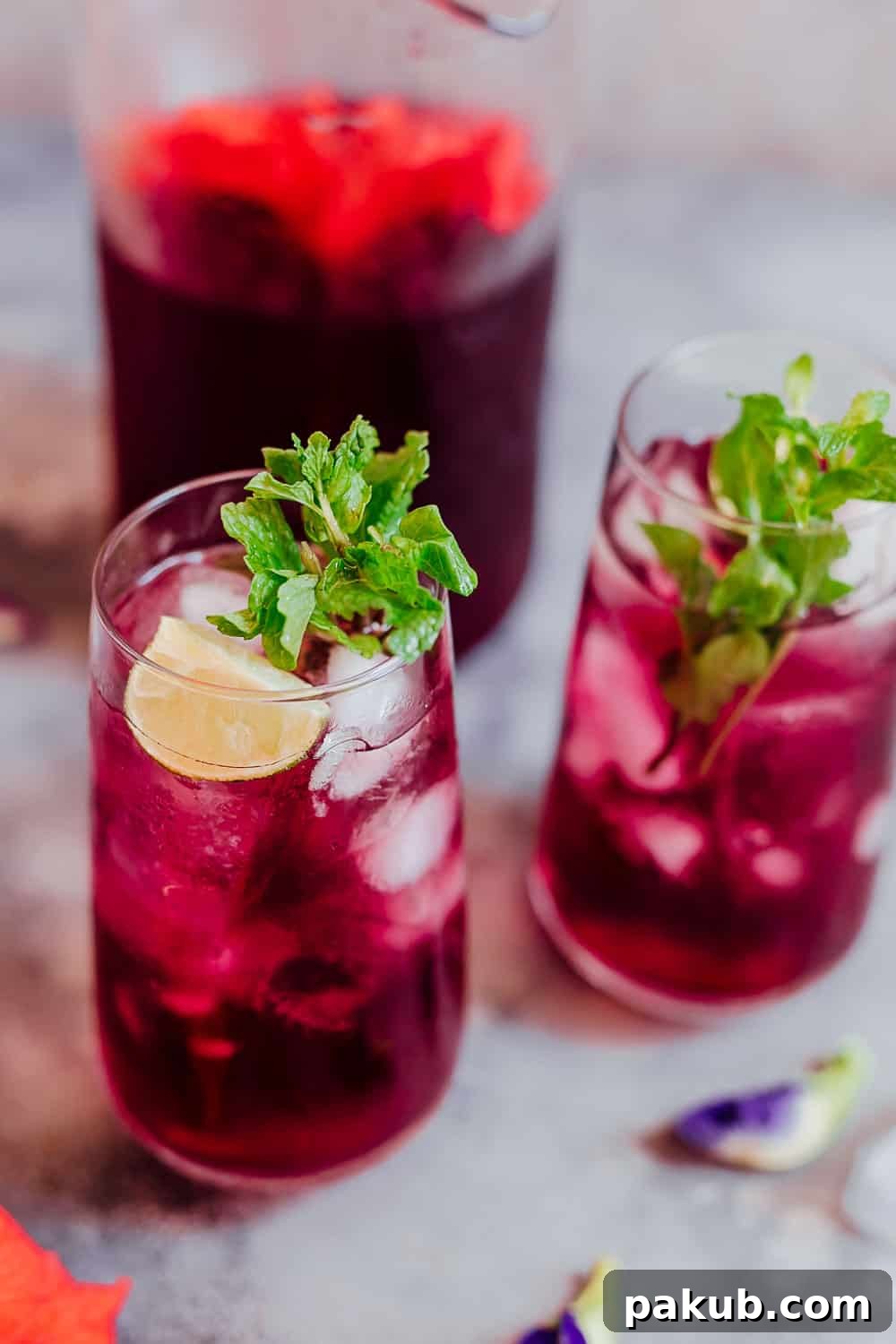
- For Iced Tea: Allow the tea to cool to room temperature, then transfer it to the refrigerator to chill for at least 2-3 hours. Serve over ice with fresh mint leaves and lemon or lime slices for garnish.
Both ways are incredibly delicious and refreshing!
Recipe Notes for Success
- Flavor Enhancements: Feel free to experiment with additional flavors. Fresh ginger slices, a cinnamon stick, a few sprigs of mint, or a hint of orange zest can complement the hibiscus beautifully.
- Sweetness Level: The suggested honey amount provides a moderately sweet tea. Adjust to your liking; you can add more honey, use sugar, agave nectar, or jaggery as substitutes.
- Steeping Time is Key: Be careful not to over-steep the hibiscus petals. Steeping for too long (beyond 20 minutes) can lead to a more bitter taste due to the extraction of tannins.
- Storage: Brewed hibiscus tea can be stored in an airtight container in the refrigerator for up to 3-4 days.
Nutrition Information (per serving, approximate)
Calories: 89kcal, Carbohydrates: 22g, Protein: 1g, Fat: 1g, Saturated Fat: 1g, Sodium: 23mg, Potassium: 28mg, Fiber: 1g, Sugar: 20g, Vitamin A: 280IU, Vitamin C: 20mg, Calcium: 11mg, Iron: 8mg
Loved this hibiscus tea recipe? Don’t forget to share your experience and rate it below! Your feedback helps us grow.
Frequently Asked Questions About Hibiscus Tea
- What does hibiscus tea taste like? Hibiscus tea has a distinctive tart, cranberry-like flavor. It can be quite tangy on its own, which is why it’s often sweetened with honey or sugar and balanced with citrus notes like lime or lemon. The flavor is incredibly refreshing, especially when chilled.
- Can I reuse hibiscus flowers for another batch of tea? While you can technically reuse the flowers, the flavor and color will be significantly weaker with each subsequent brew. For the best taste and nutrient extraction, it’s recommended to use fresh flowers or dried calyces for each batch.
- Is it safe to drink hibiscus tea daily? For most healthy adults, daily consumption of hibiscus tea in moderation is considered safe and can be beneficial. However, due to its potent effects on blood pressure and potential drug interactions, those with pre-existing health conditions or on medication should consult their doctor before making it a daily habit.
- Can I make a large batch of hibiscus tea? Absolutely! Hibiscus tea is perfect for making in large quantities. Simply scale up the ingredients proportionally. Once brewed and cooled, store it in an airtight pitcher or jar in the refrigerator for up to 3-4 days. It’s an excellent make-ahead beverage for parties or daily enjoyment.
- Are all types of hibiscus edible? No, not all hibiscus species are edible or safe for consumption. The most commonly used and safest variety for culinary purposes is Hibiscus sabdariffa, also known as Roselle. Always ensure you are using the correct species, especially if foraging or sourcing from an unfamiliar supplier.
Conclusion: Embrace the Delight of Hibiscus Tea
From its stunning crimson hue to its invigorating tart flavor and impressive array of health benefits, hibiscus tea is truly a beverage to savor. Whether you’re seeking a natural way to support your heart health, boost your immunity, or simply enjoy a wonderfully refreshing drink, hibiscus tea offers a delightful solution. Its versatility allows you to enjoy it hot on a chilly evening or perfectly iced on a warm afternoon, customizable with your favorite sweeteners and aromatic additions.
The journey from a vibrant bloom in the garden to a flavorful cup in your hand is surprisingly simple, whether you’re using fresh flowers from your backyard or readily available dried ones. So, take the leap and brew yourself a batch of this botanical wonder. Experience the captivating color, the tangy zest, and the wellness it brings. Your taste buds and your body will thank you!